Should you visit Glen Echo Park?
Glen Echo Park is a compact, walkable living arts campus on the Maryland side of Washington D.C.
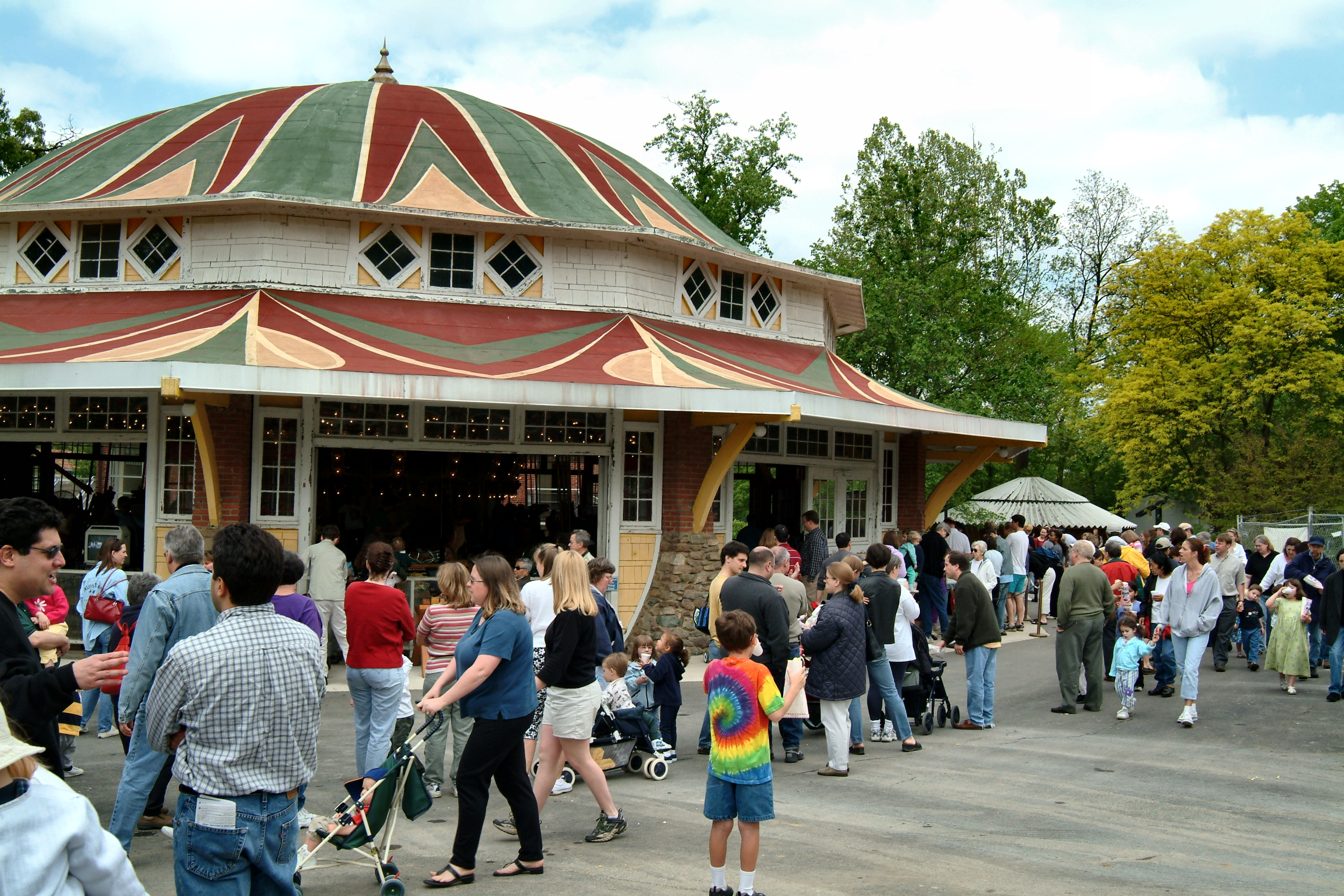
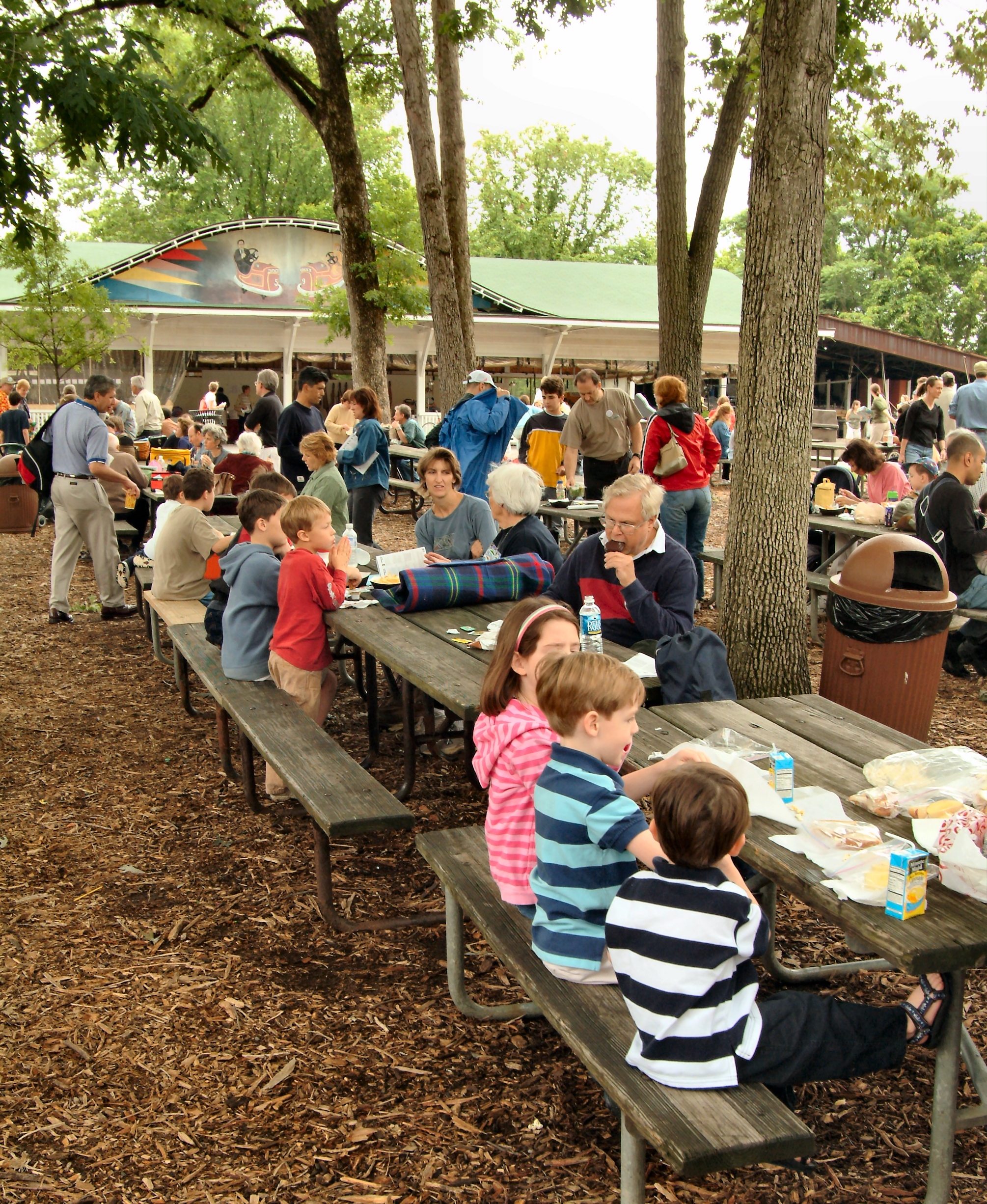
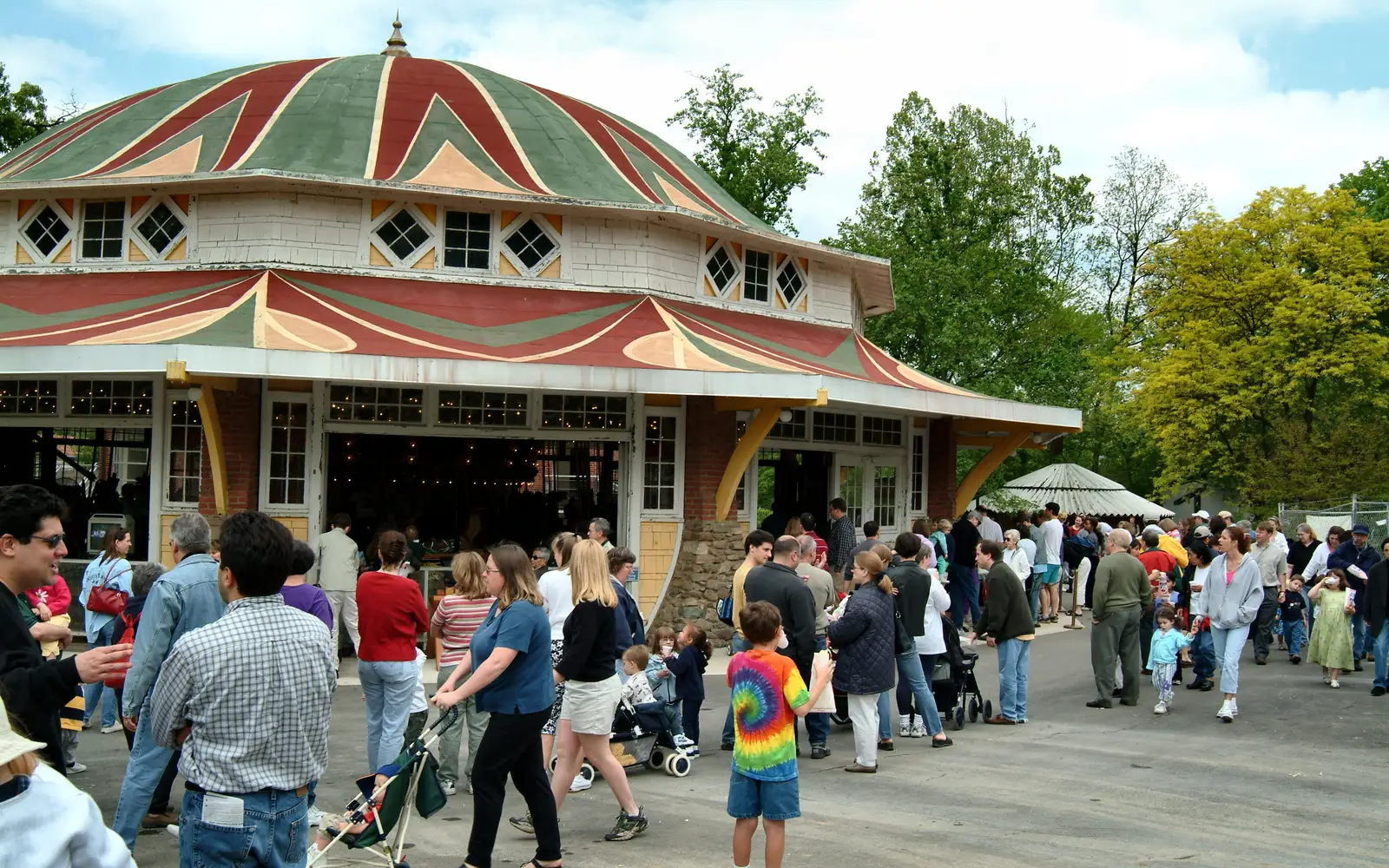
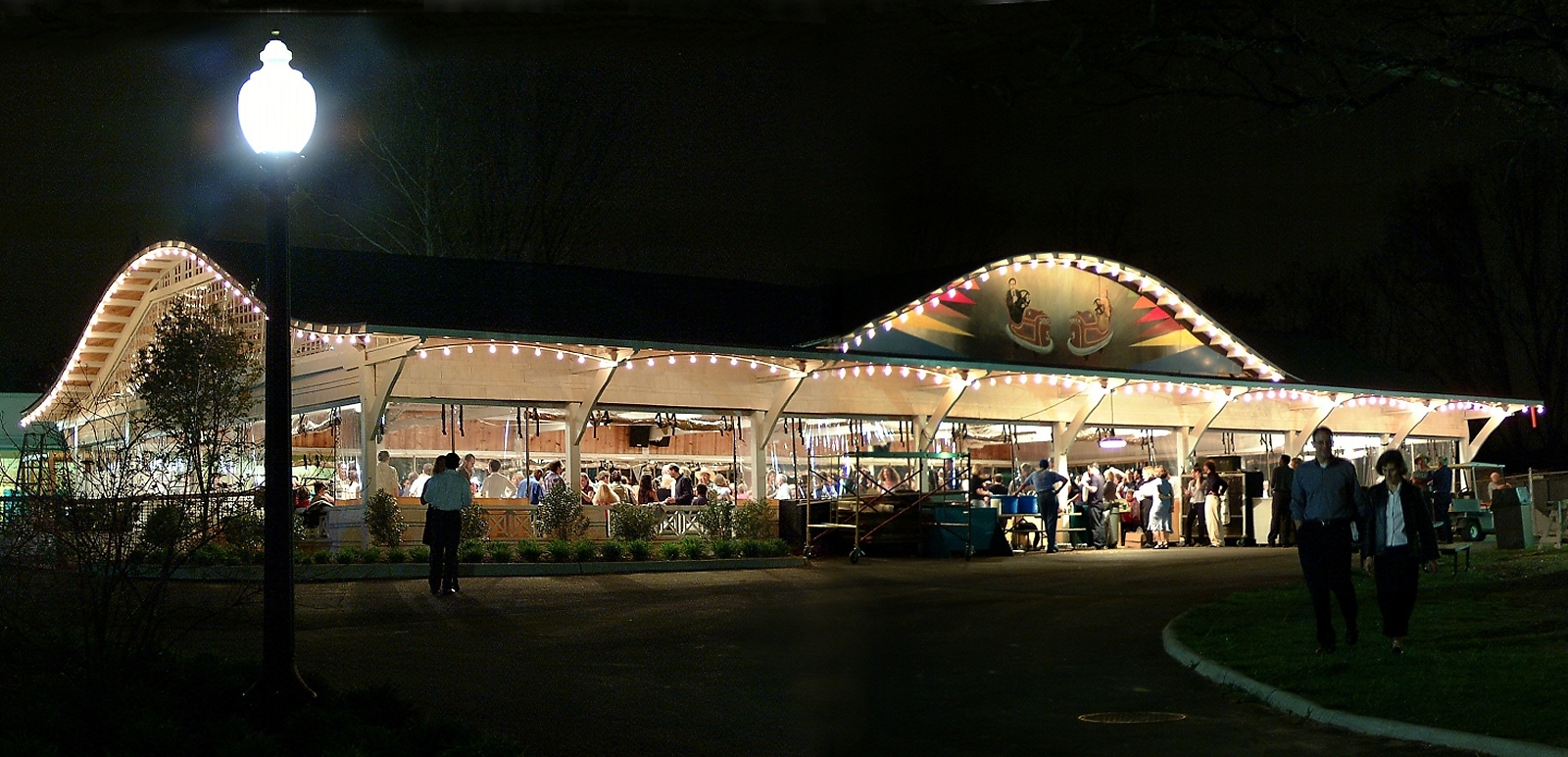
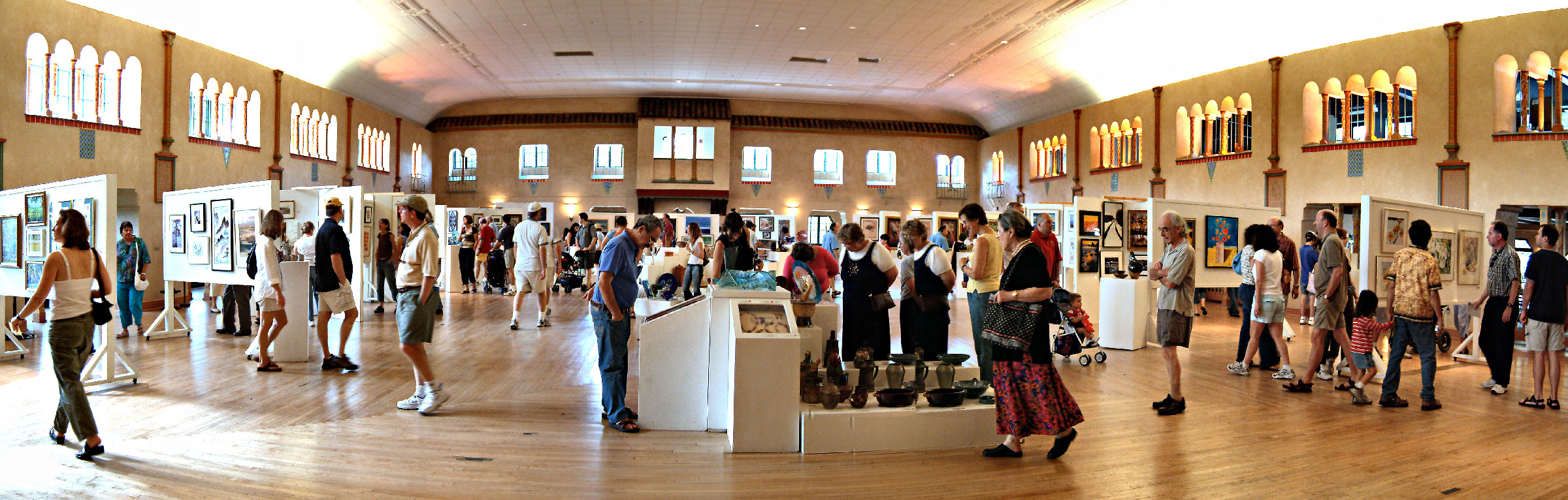
This former amusement park openly displays its layered history. The grounds feature repurposed carousel buildings, studios, and performance spaces. Working artists, craftspeople, and musicians populate the site year-round. This is not a wilderness destination. It offers no trails, no wildlife programs, and no sweeping vistas. Instead, the park functions as an active cultural hub. Visitors can attend live music, observe glassblowers or printmakers, or see a theater production. Guided tours detail the site's evolution from a Chautauqua assembly to an amusement park and finally to an NPS unit. For arts-minded visitors in the D.C. area, its modest footprint offers significant cultural engagement. Those expecting a traditional national park experience will find it puzzling.
What makes it worth it
Glen Echo's appeal rests on its programming, not its acreage. The park distinguishes itself with craft and cultural demonstrations, where resident artists work in open studios, offering a view of the creative process. Live music and theater events run regularly. The historic carousel, an amusement park landmark, operates on weekends. Guided tours connect the physical spaces to the site's history, covering educational reform, early twentieth-century leisure, and civil rights desegregation. Entry is free, and the grounds are open daily from 6 a.m. to 1 a.m., allowing for both casual strolls and structured event attendance. This is a destination for engagement, not wilderness.
Who should go
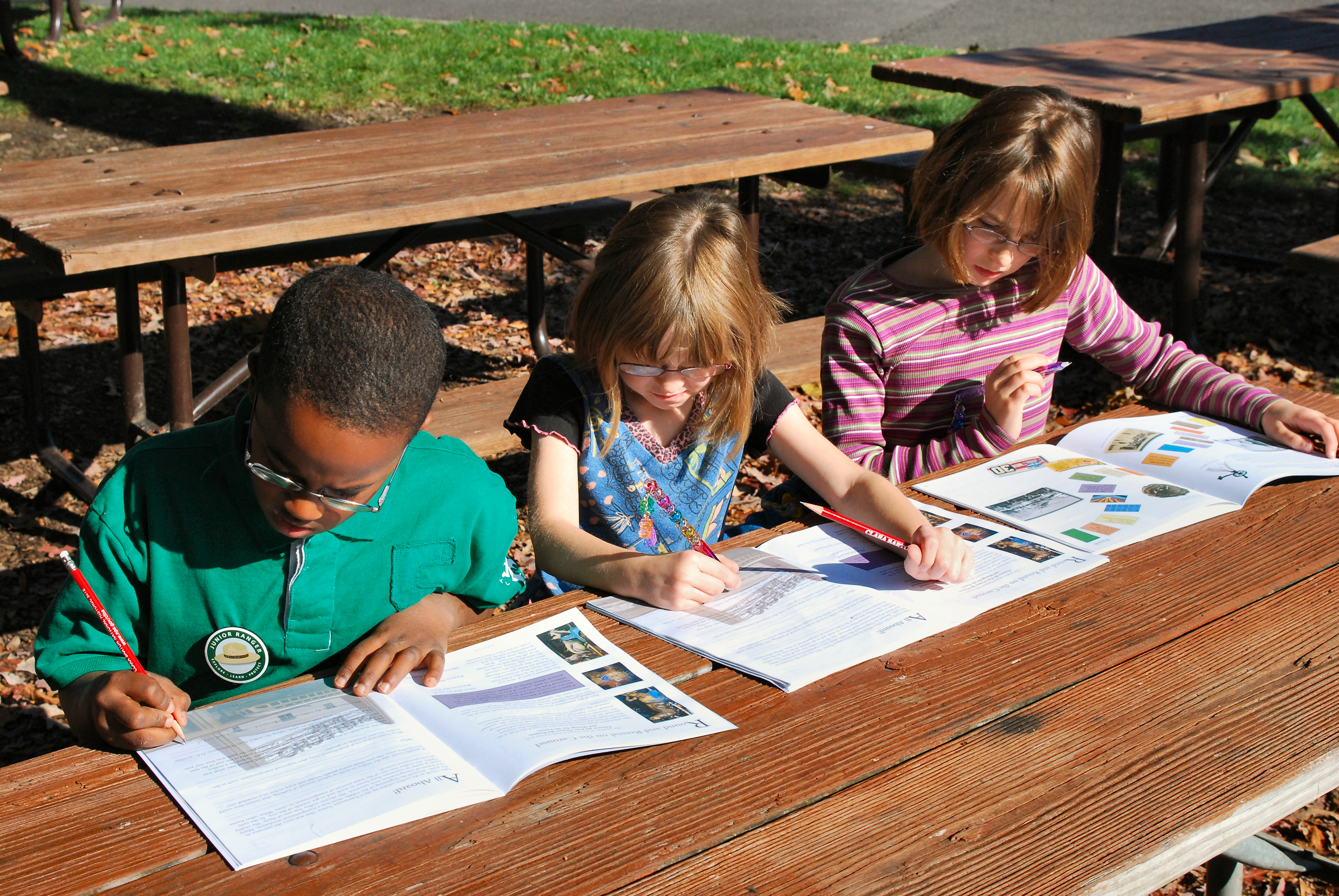
This park caters specifically to D.C. area residents and those with a dedicated interest in American cultural and leisure history. Arts tourists will find its offerings particularly engaging. For families, weekend live performances and the carousel provide a pleasant diversion. However, those seeking a single-destination national park experience focused on scenery, wildlife, or extensive outdoor recreation will find this unit insufficient.
When to go
Glen Echo experiences hot, humid summers and cold winters, typical of the greater D.C. and Bethesda climate zone. Spring and fall provide the most comfortable conditions for exploring the grounds. Summer offers the fullest event schedule but also the highest temperatures. Winter programming is reduced; consult the park partnership's schedule. The grounds remain open year-round.
Highlights
- Historic carousel operating on weekends, a direct artifact of the amusement park era
- Open artist studios with live craft and cultural demonstrations by resident artists
- Regular live music performances on the grounds
- Theater productions in repurposed historic structures
- Guided tours interpreting the site's history from Chautauqua assembly through desegregation
- Free admission with long daily hours, making drop-in visits easy from nearby D.C.
Plan ahead
Free entry and no reservation for grounds access is a significant benefit. However, the operational specifics of the Glen Echo Park Partnership for Arts and Culture complicate the visitor experience. Prospective
Editor's tipA guided tour clarifies the site's complex physical layout. Many structures appear unremarkable without context. If a tour is unavailable, NPS interpretive signage offers sufficient explanation.