Is George Washington Carver National Monument worth it?
George Washington Carver National Monument offers a focused, substantive experience.
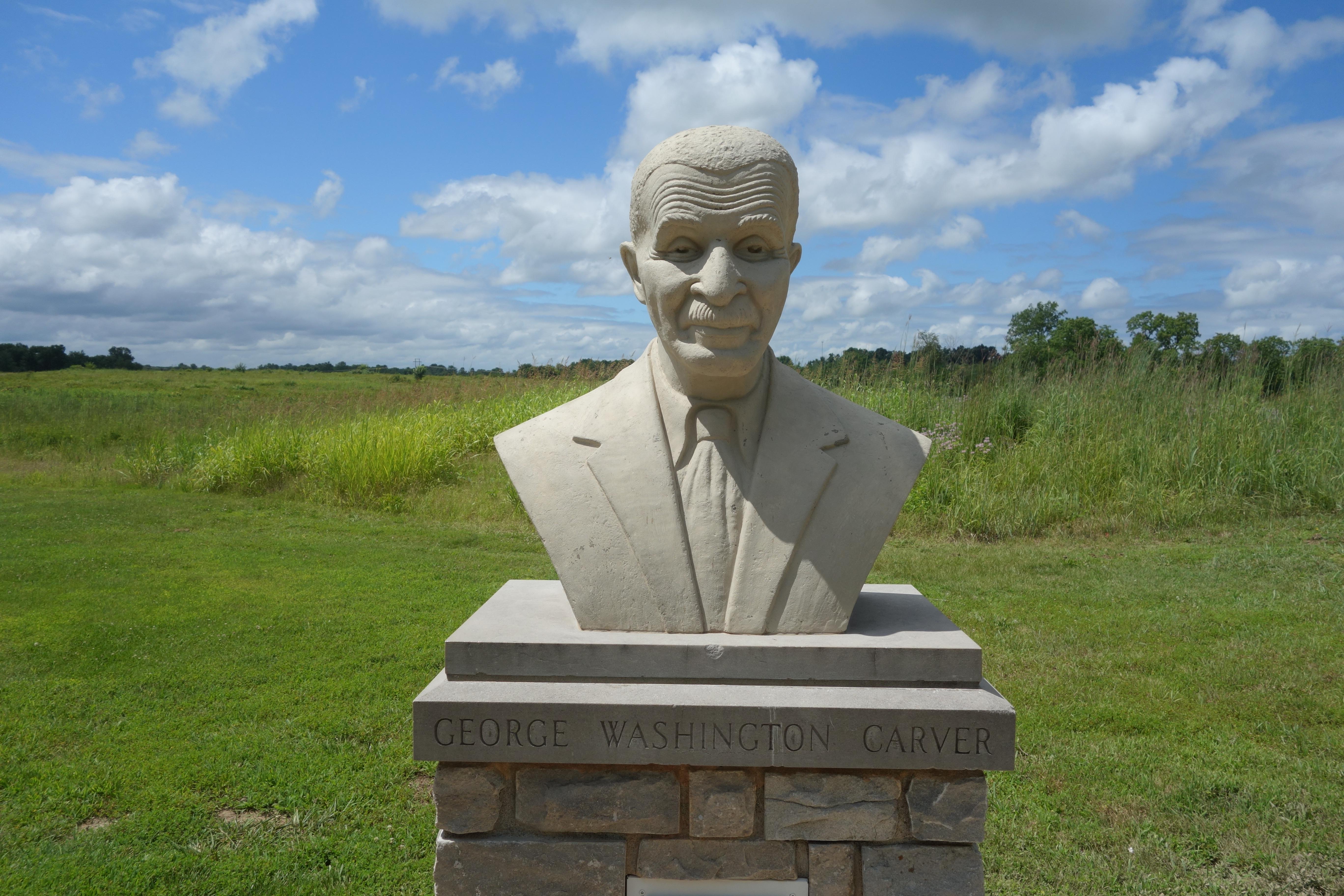
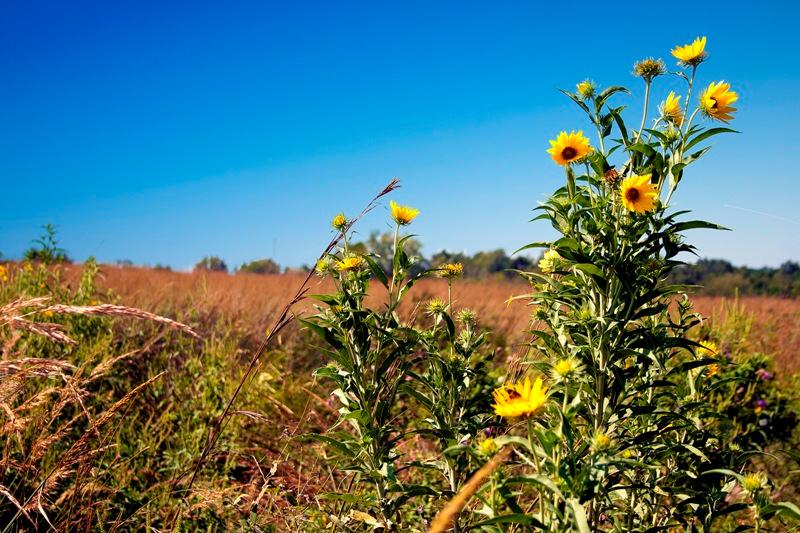
This Missouri site, where Carver spent his early life, delivers a moving encounter with history. The 71 experience score reflects its compact nature, suggesting a visit of two to three hours. It is not a wilderness destination. The monument features a museum, a trail through the historic farm, a park film, and children's programming. Free admission eliminates any barrier to entry. This is a primary destination, best combined with a trip to nearby Joplin.
The case for it
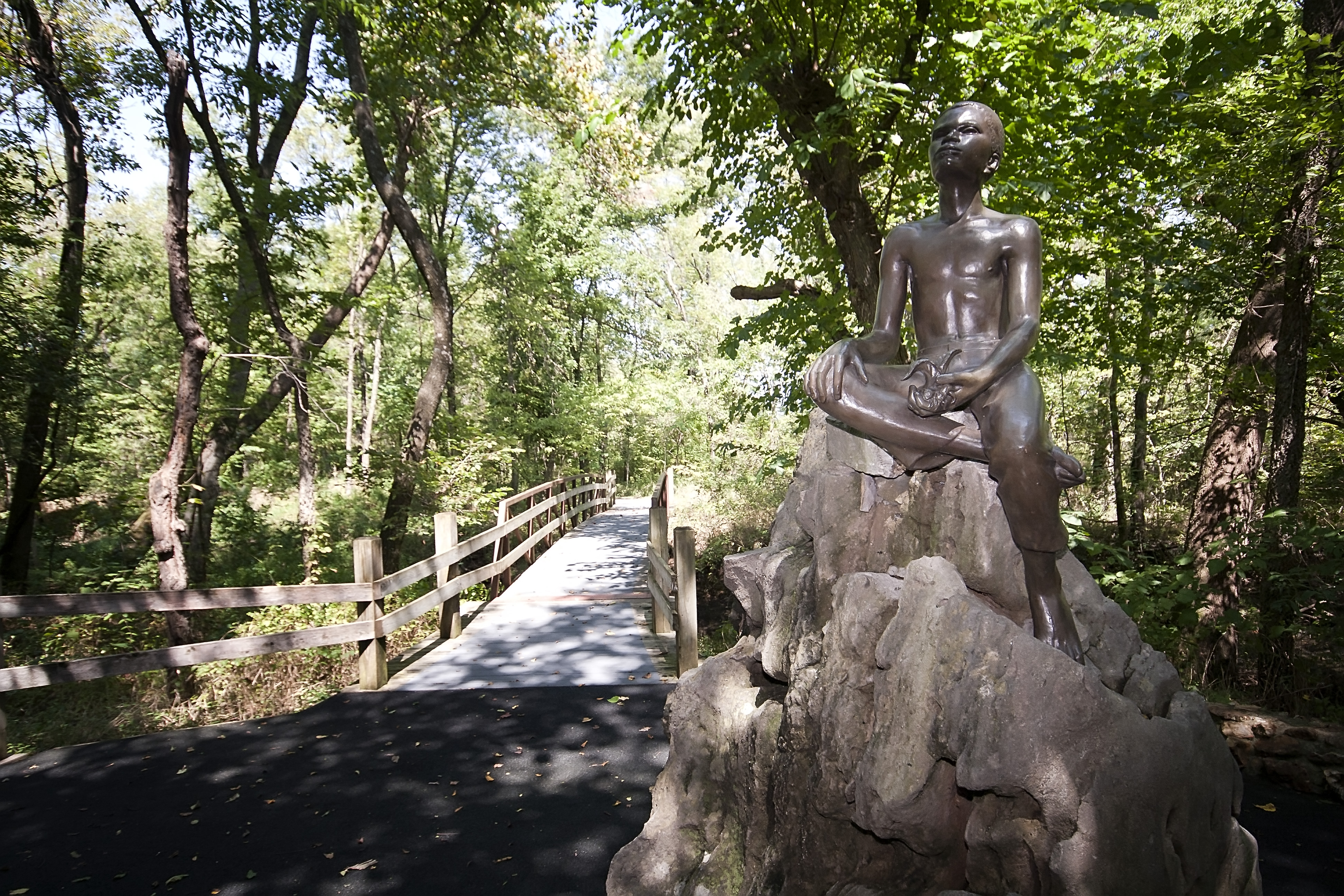
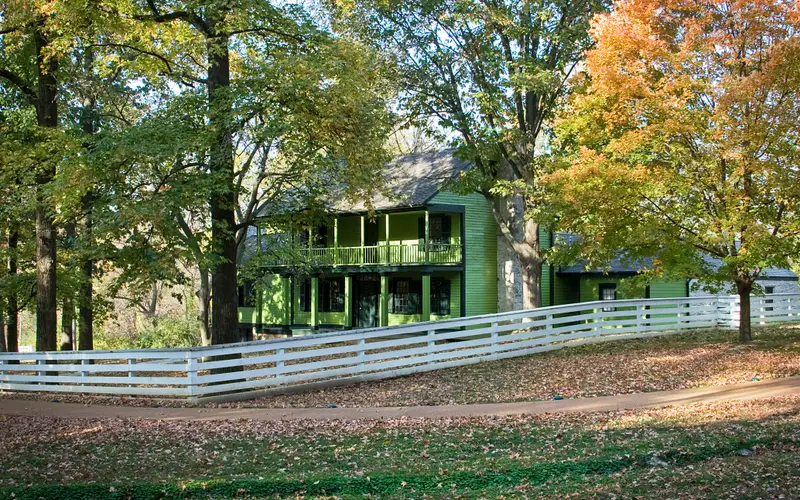
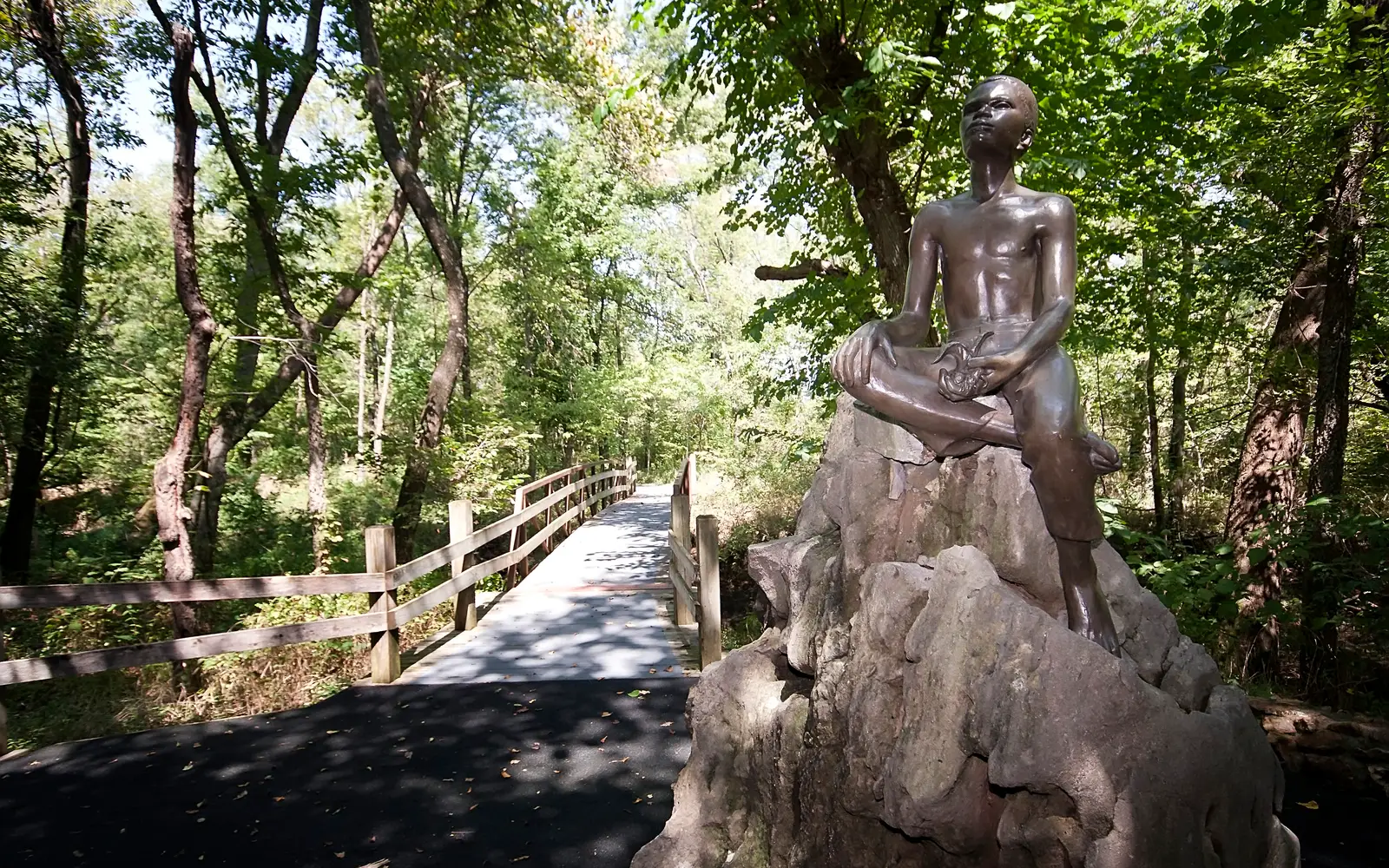
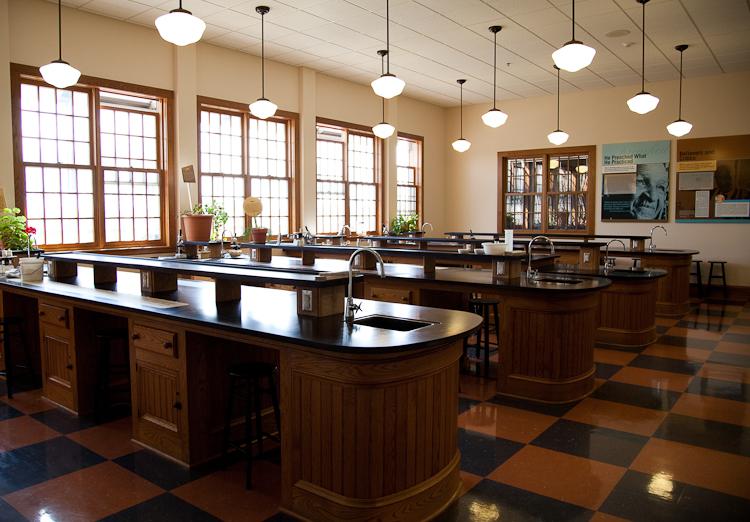
This Carver site rewards a layered approach. Begin with the park film, then progress through museum exhibits that detail his agricultural science and humanitarian work. A self-guided walking trail explores the farmstead where Carver observed nature as a child. Ranger-led tours consistently receive strong visitor feedback. Birdwatching along the trail provides a quiet, naturalist dimension. The Junior Ranger program engages children. A well-curated bookstore is on site. Picnicking is available. Plan a relaxed half-day; the site is designed for gradual discovery, not quick consumption.
Who it is for
This site caters to history enthusiasts, educators, and families with school-age children. Its hands-on programming and Junior Ranger offerings establish it as a genuinely kid-friendly historic monument. Visitors seeking extensive hiking, scenic vistas, or outdoor adventure will find little here. This is a heritage destination. Recreational opportunities are limited.
Best time to visit
The optimal time to visit this southwestern Missouri park is during the late spring and early fall. Summer temperatures frequently exceed 90 degrees, bringing high humidity and making outdoor walking difficult. Winter introduces freezing conditions and a desolate landscape. For a comfortable experience on trails and at interpretive programs, target April through early June or September through October.
Worth seeing
- Ranger-led guided tours that bring Carver's childhood and scientific legacy to life with specific detail
- Self-guided walking trail through the historic farm landscape where Carver grew up
- Museum exhibits covering Carver's agricultural science, education, and humanitarian work
- Hands-on programming and a Junior Ranger program well-suited to families
- Park film providing essential context before exploring the grounds
- Free admission with a well-stocked bookstore and park store on site
Before you visit
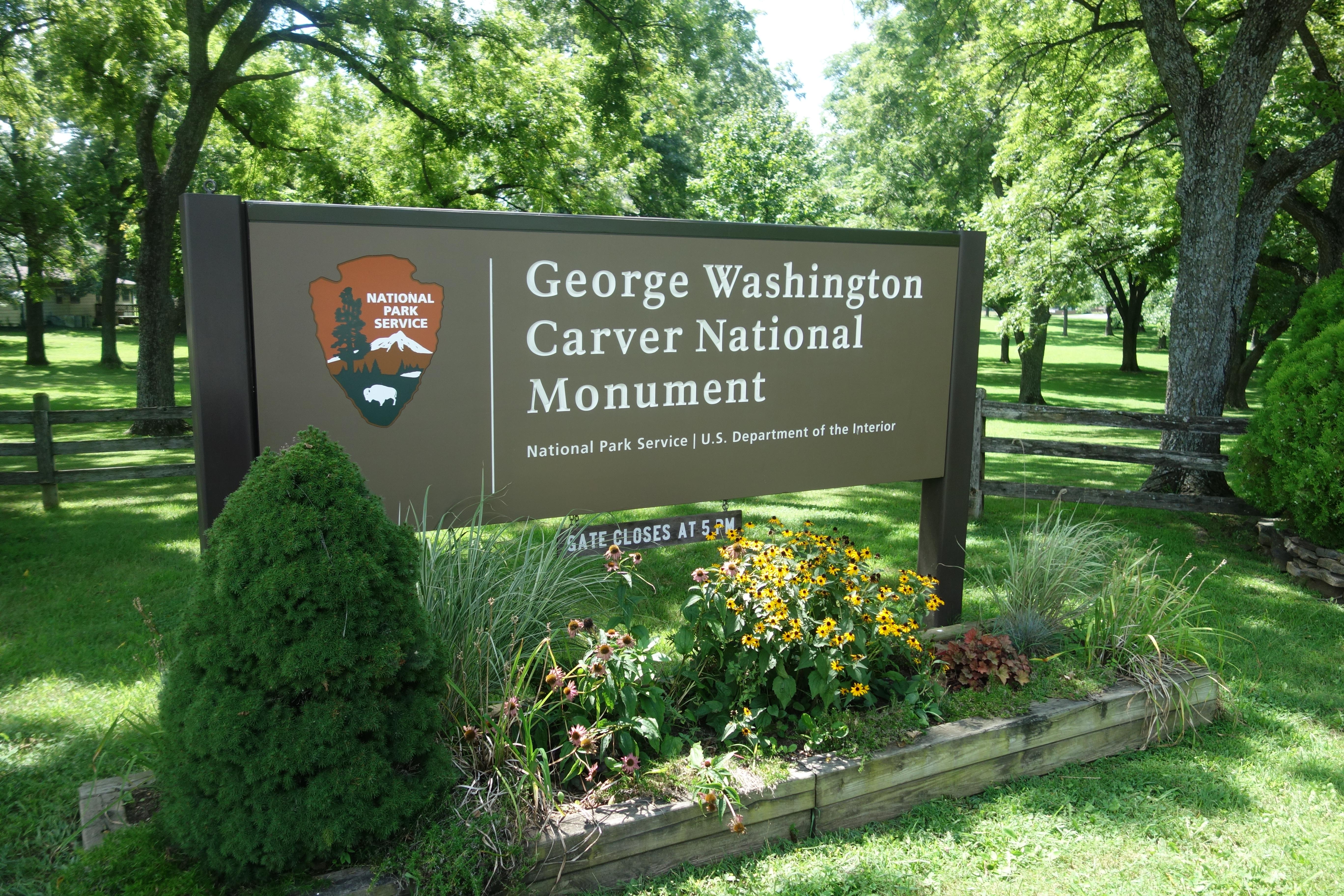
This monument is free and open daily from 9 AM to 5 PM, closing only for Thanksgiving, Christmas, and New Year's Day. Located just outside Diamond, Missouri, and approximately 10 miles from Joplin, it requires a deliberate detour. This is not a casual roadside stop. Cell service in rural Diamond can be unreliable; download directions beforehand.
Our tipPlan your visit around the ranger-guided tour schedule. While a self-guided option exists, the interpretive context of a guided experience surpasses what trail markers alone convey. Tours operate on a set schedule during park hours.