Is Fort Washington Park worth your trip?
Fort Washington Park offers a focused historical experience.
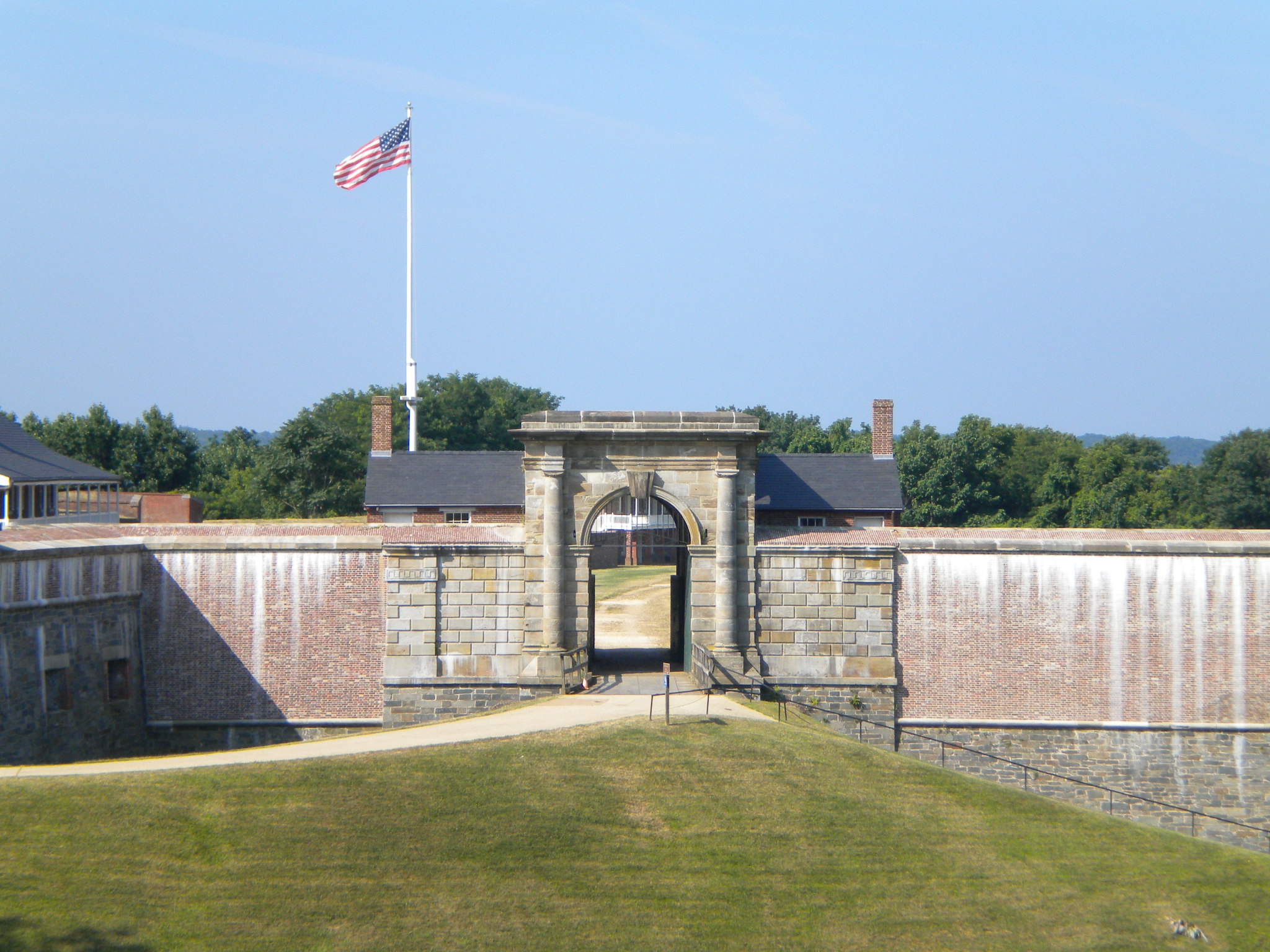
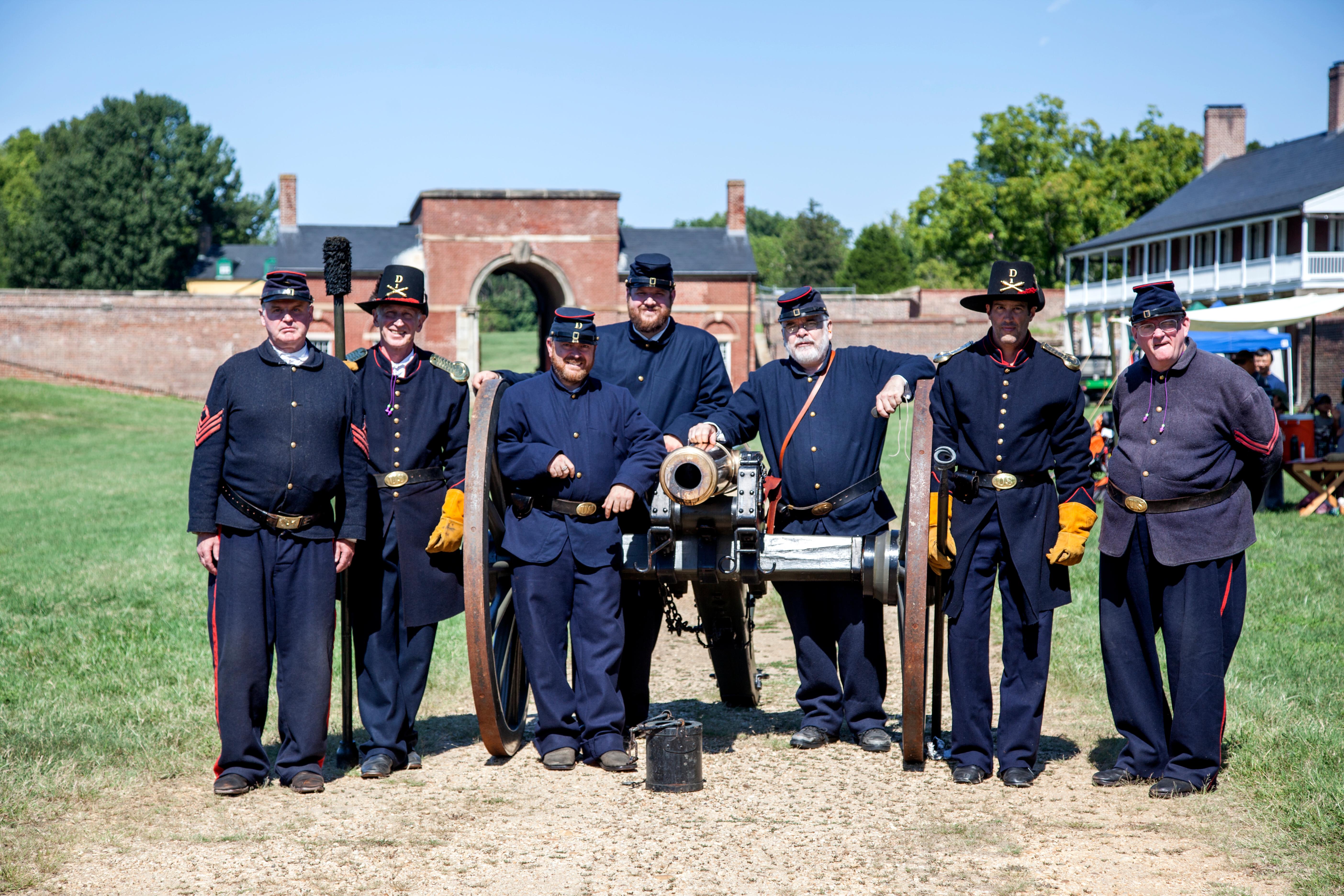
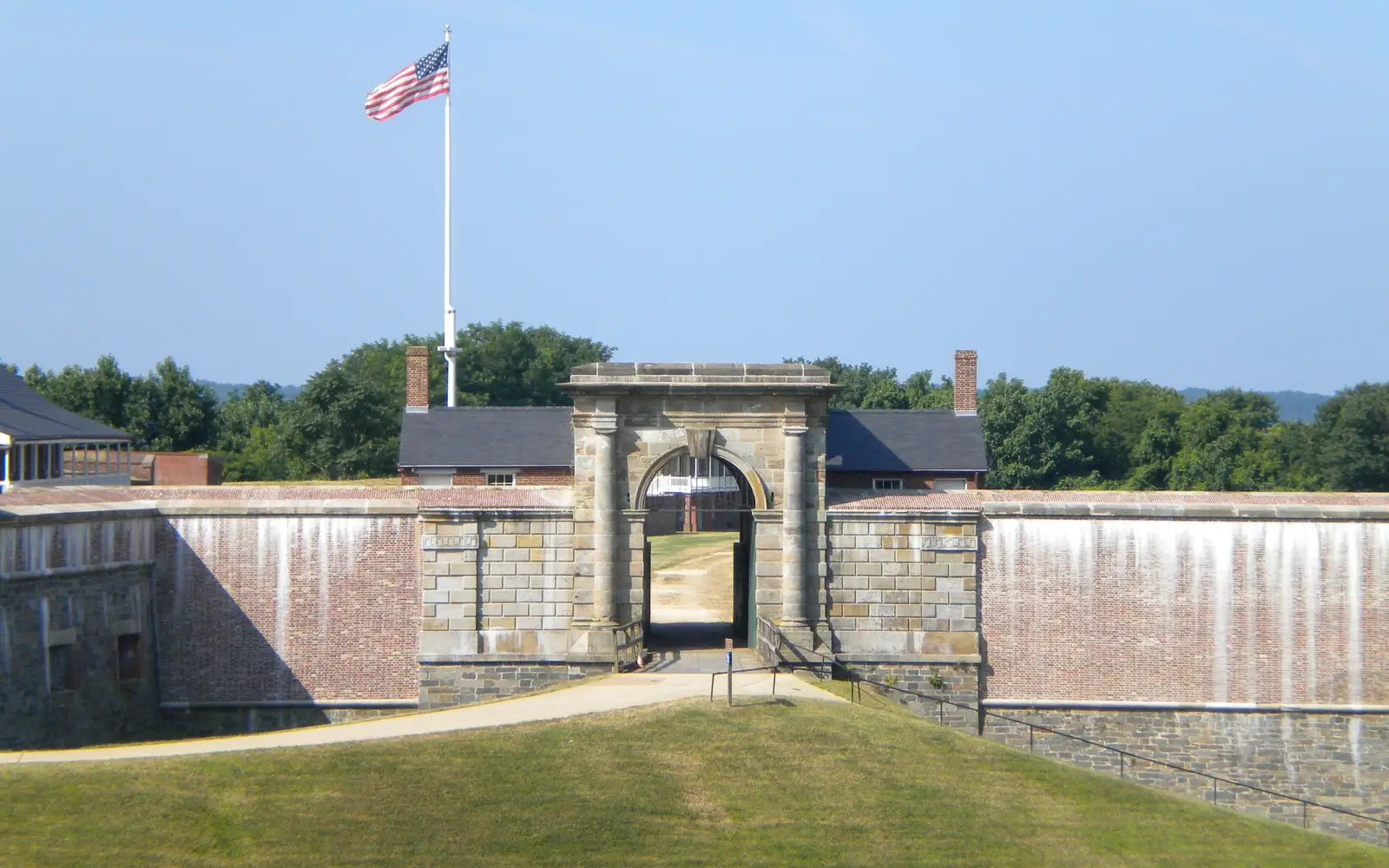
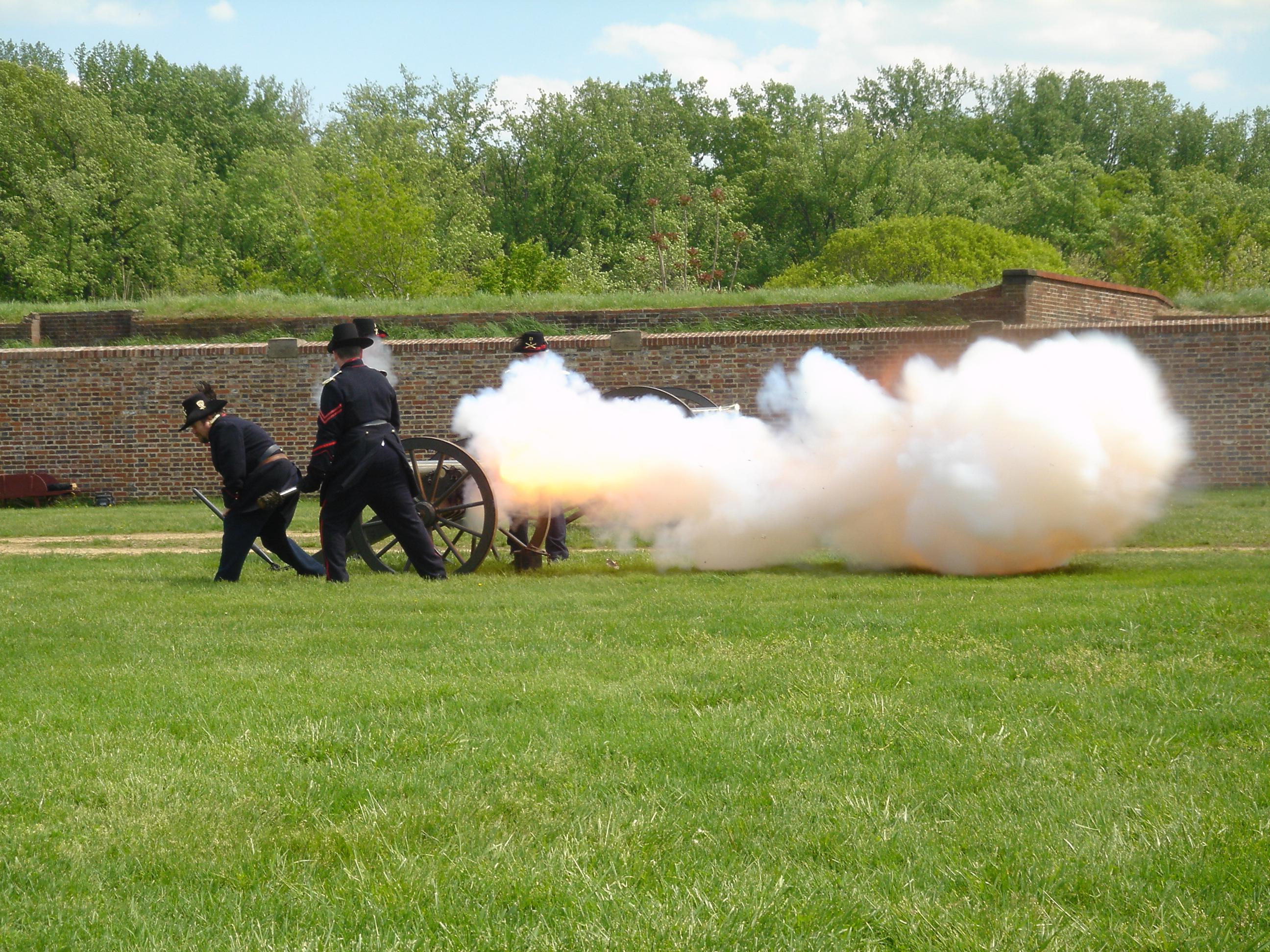
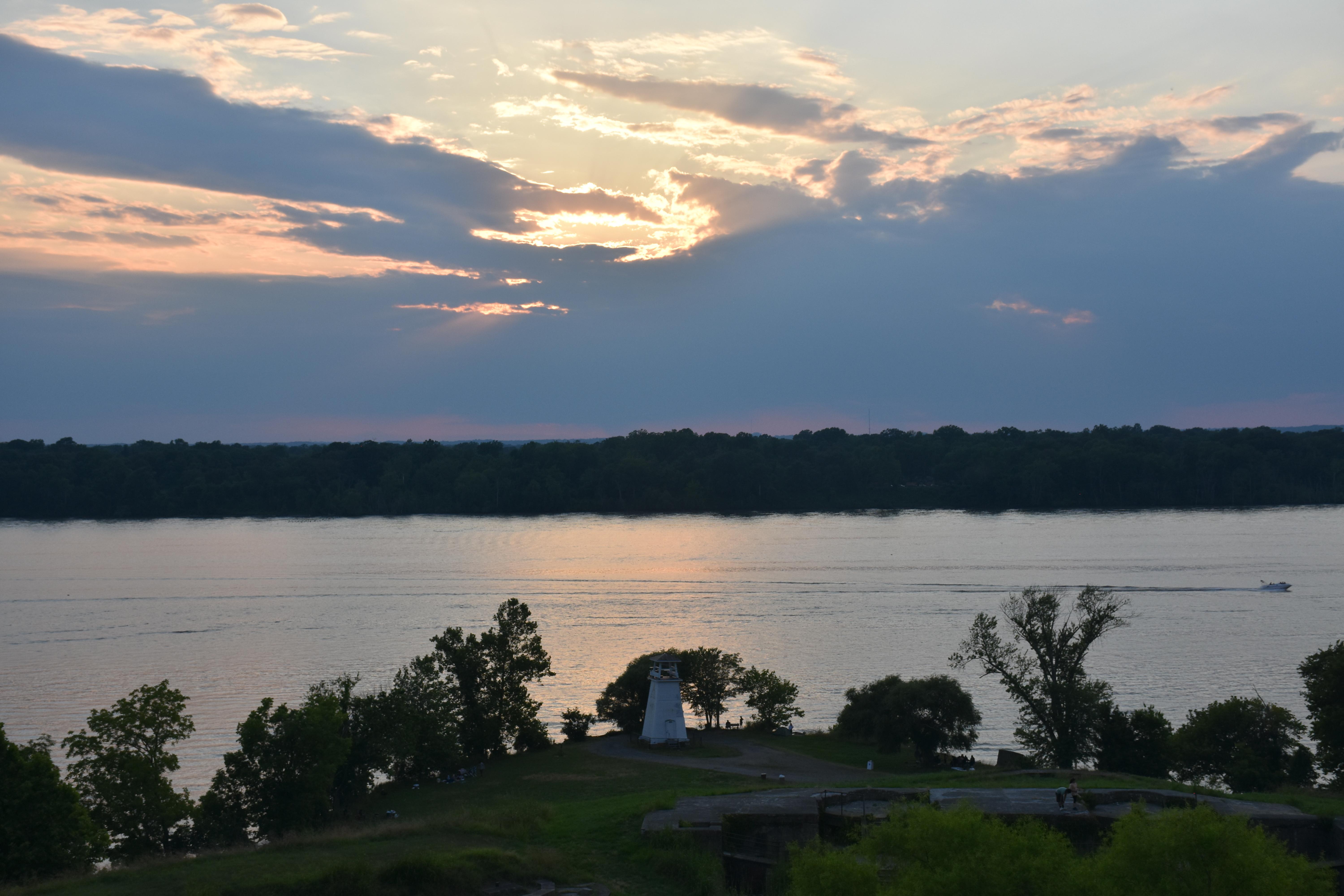
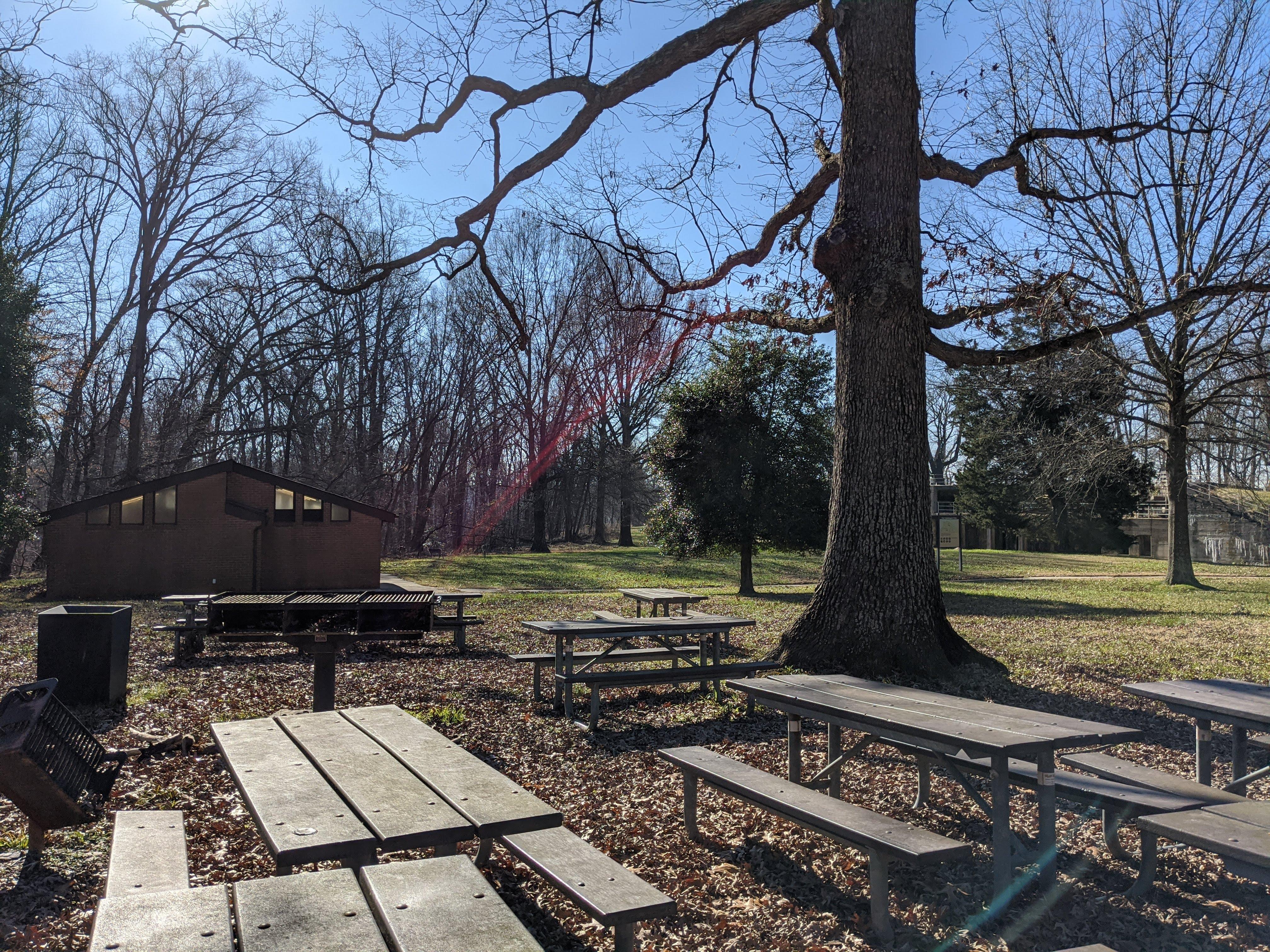
This compact site on the Potomac River's Maryland bank centers on a 19th-century masonry fort, continually evolving through the 20th century. Living history programs and historic weapons demonstrations are offered on select days. Beyond the fort, visitors find riverfront picnicking and fishing. This provides a scenic, low-cost outing close to Washington, D.C. Entrance is free; the park is open daily from 6 a.m. to 10 p.m. Fort Washington excels as a half-day destination for those interested in American military history. It is not a wilderness escape. Casual sightseers will find limited appeal.
Why go
This park unit offers a concentrated historical experience. A guided tour or self-guided walk through the fort reveals two centuries of defensive architecture, from early brick and stone masonry to later concrete reinforcements. Timing a visit with a living history event or historic weapons demonstration significantly enhances the educational value. The Potomac riverfront provides a tranquil counterpoint. Picnic areas are available; fishing is permitted. A small park store and bookstore cater to history enthusiasts. The entire visit comfortably fits a half day, positioning it as a convenient addition to any regional itinerary.
Best for
This park primarily serves history enthusiasts and families. Its draws include fort exploration and cannon demonstrations. For visitors seeking backcountry hiking, wildlife watching, or an extended multi-day park experience, this destination will prove unsuitable.
Best season
Optimal visitation occurs in late spring and early fall. Summer presents challenges, with frequent temperatures above 90 degrees Fahrenheit and high humidity; afternoon thunderstorms are common. Arrive in the morning to mitigate these conditions. Winter brings cold temperatures and near-freezing nights. Some programming may be limited. Living history and weapons demonstrations are concentrated in warmer months; consult the NPS calendar for winter schedules.
The high points
- Exploring a masonry fort that spans 19th-century brick construction and 20th-century concrete upgrades in one site
- Historic weapons demonstrations that bring the fort's military purpose to life
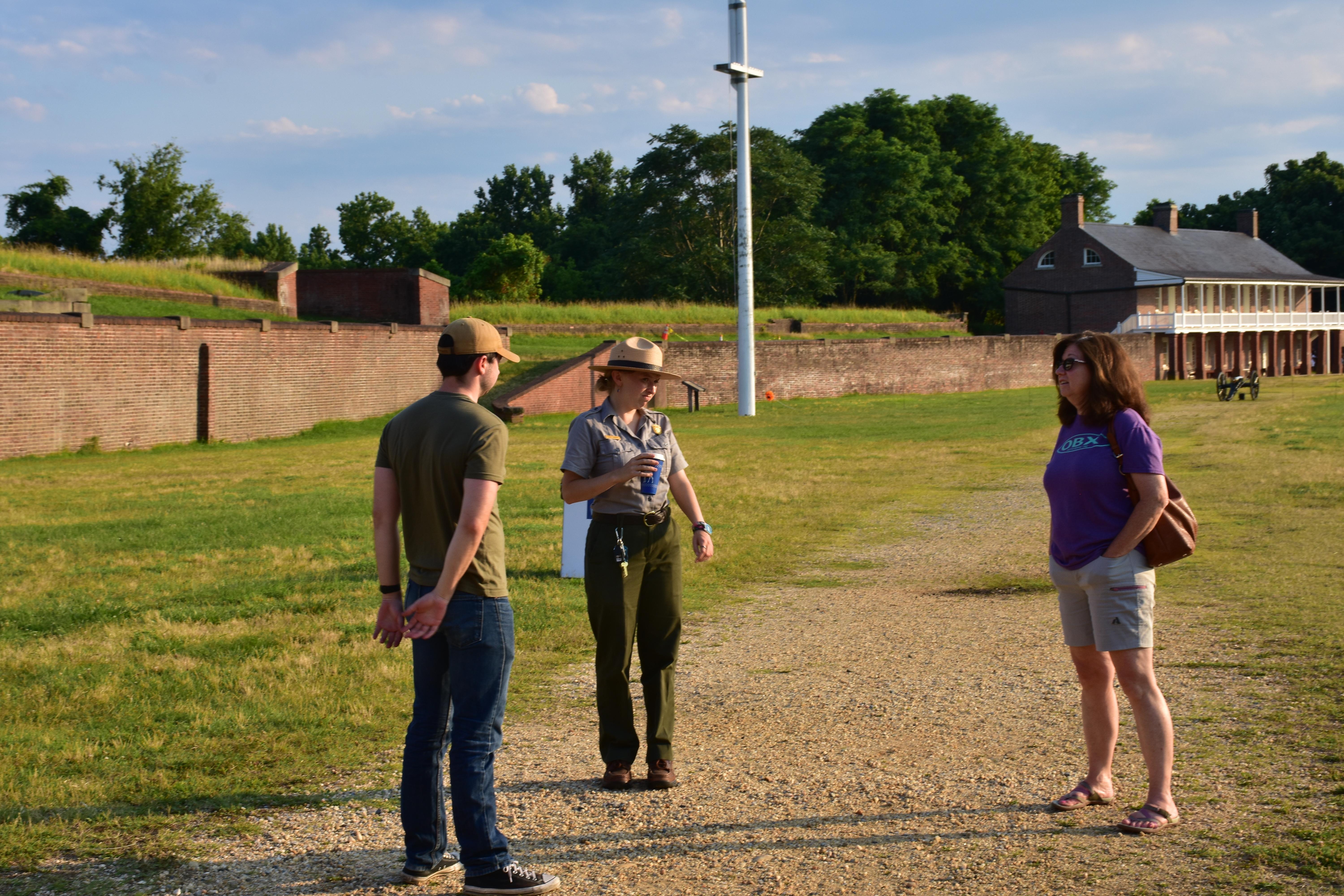
- Guided tours offering context on the fort's role defending the Potomac river approach to Washington, D.C.
- Living history programming on select dates for a more immersive experience
- Riverfront fishing and picnicking along the Potomac
- Free admission with daily access from 6 a.m. to 10 p.m., making spontaneous visits easy
Know before you go
Fort Washington offers easy access for those in the D.C. metropolitan area, open daily from 6 a.m. to 10 p.m. with no entrance fee. Its location in Oxon Hill, Maryland, makes it a convenient stop directly off the beltway. However, visitors specifically interested in living history events or weapons demonstrations must consult the NPS Fort Washington event calendar. These specialized offerings are not daily occurrences. For casual visits and general exploration, the site is consistently available. For targeted experiences, advance planning is essential.
One more thingThis park delivers its best experience during living history and weapons demonstration days. Consult the NPS event calendar as essential pre-trip research. A weekday visit without these events, while pleasant, offers noticeably less interpretive depth.