Should you visit Effigy Mounds National Monument?
Effigy Mounds National Monument presents a focused experience.
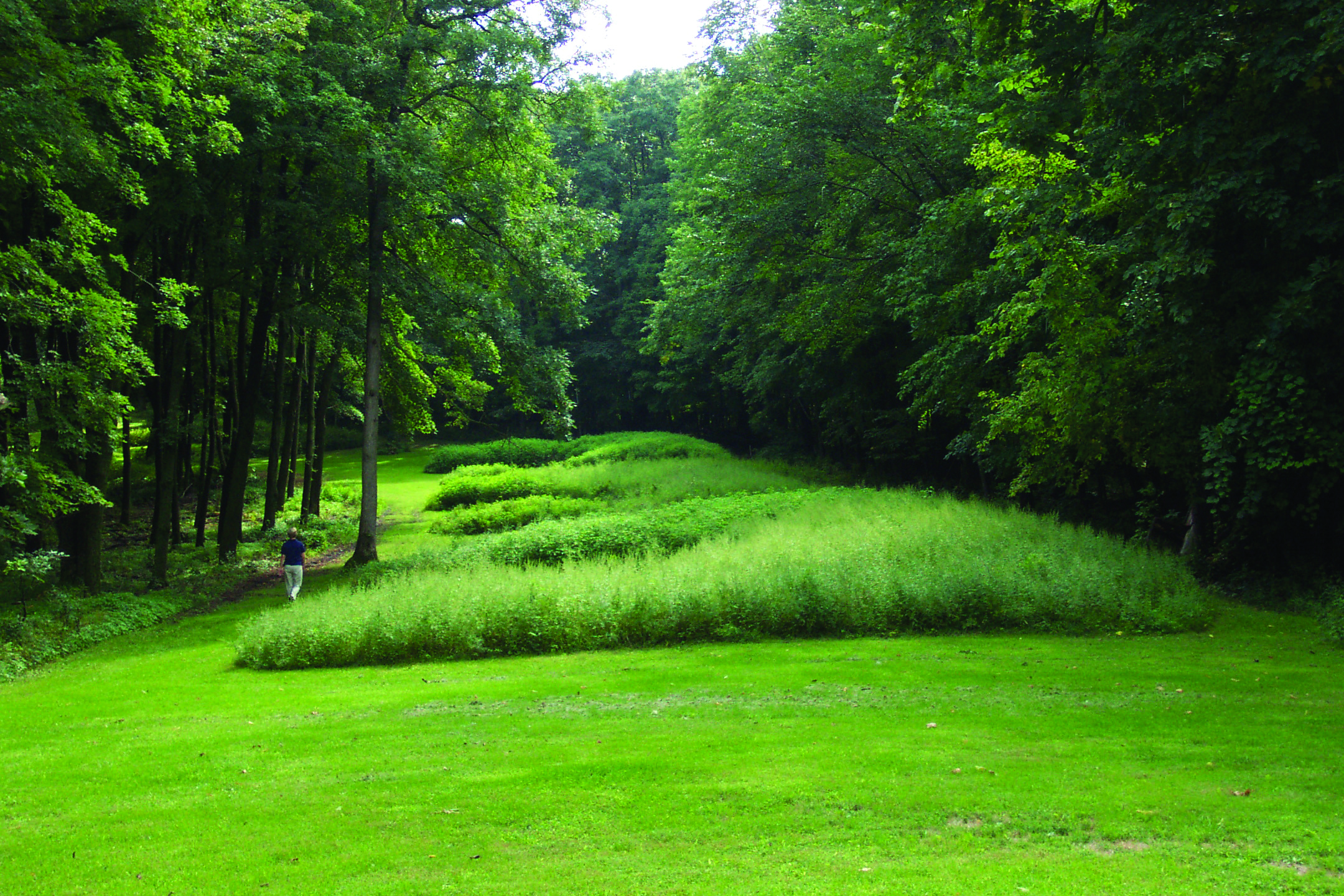
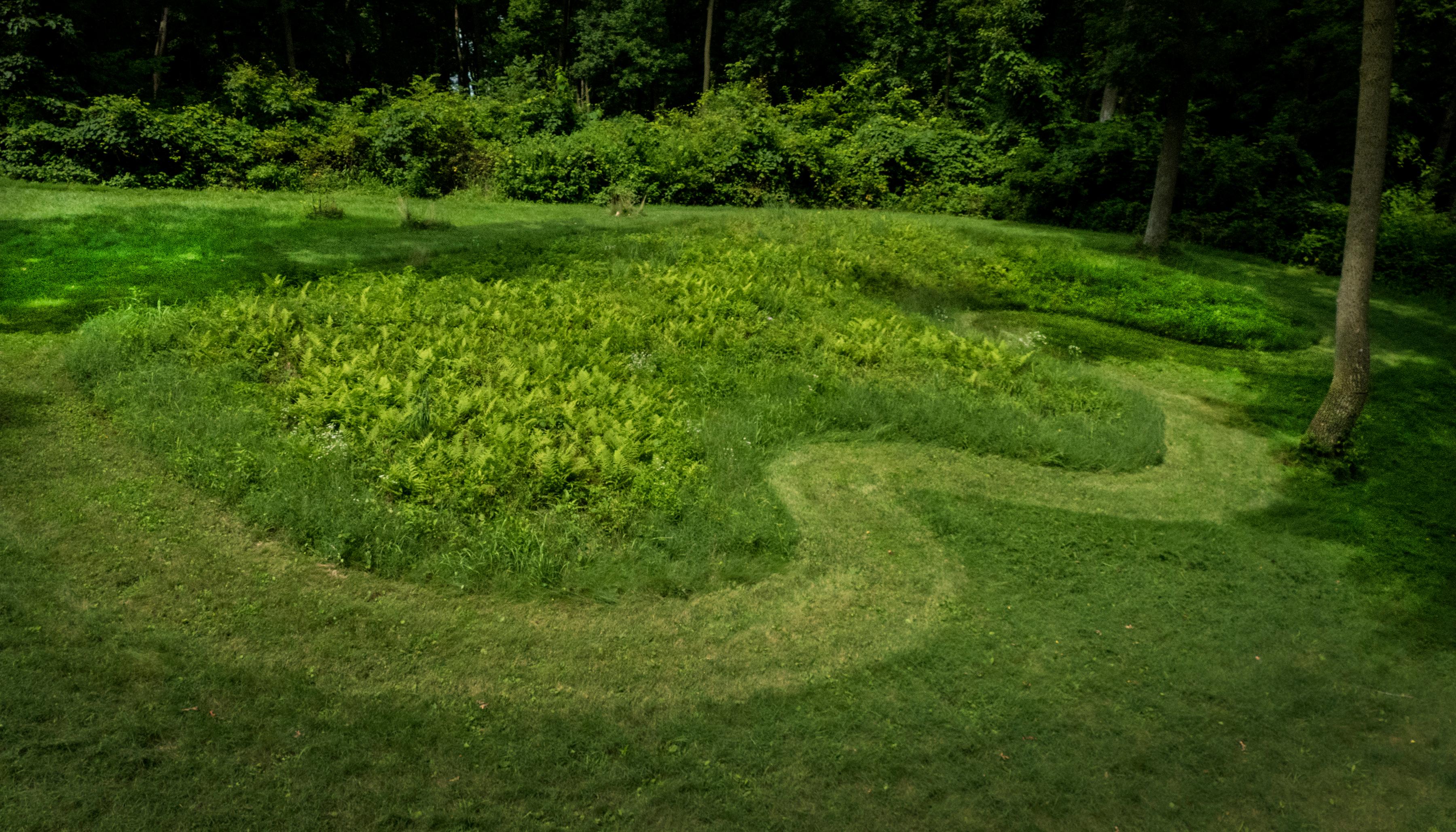
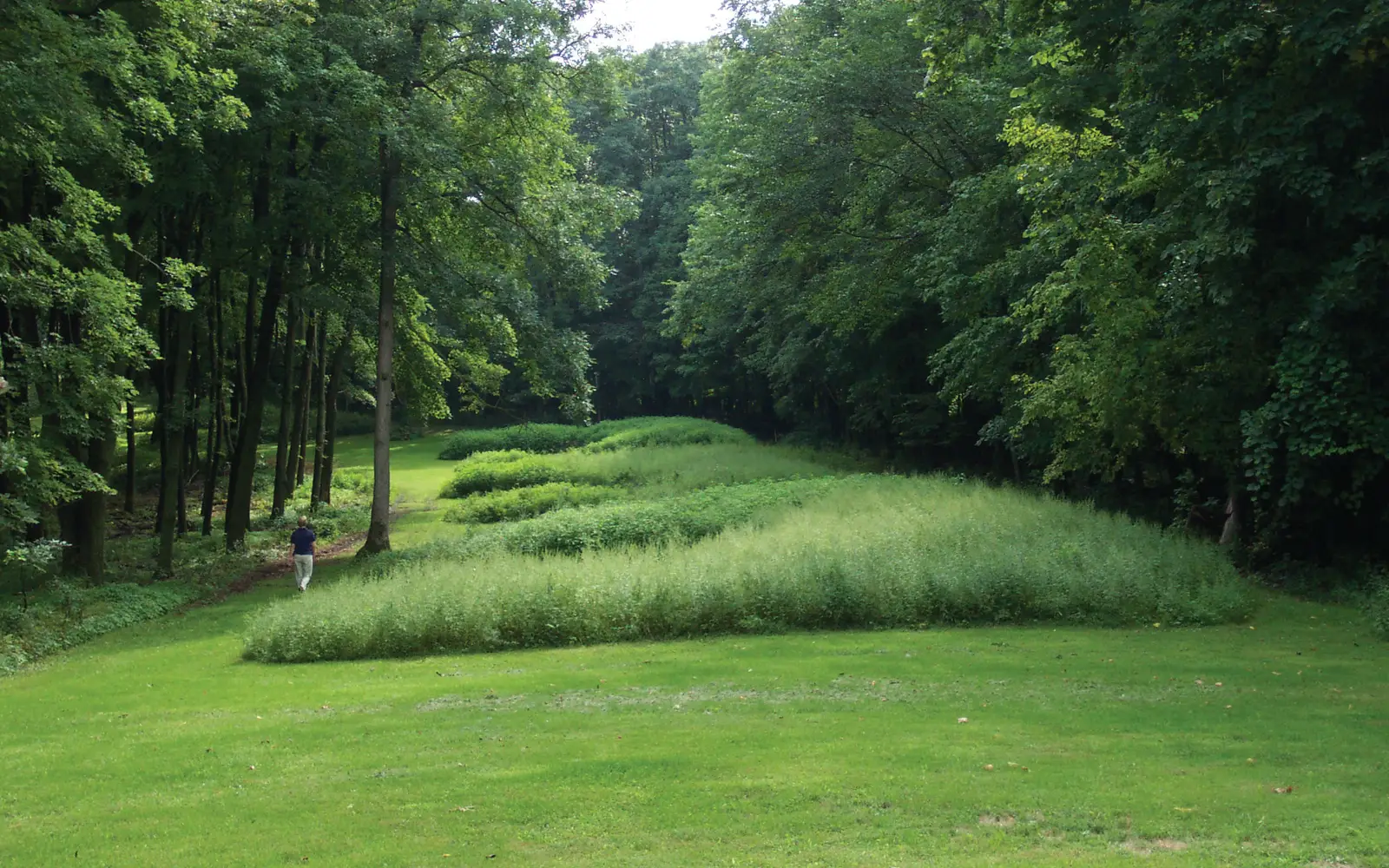
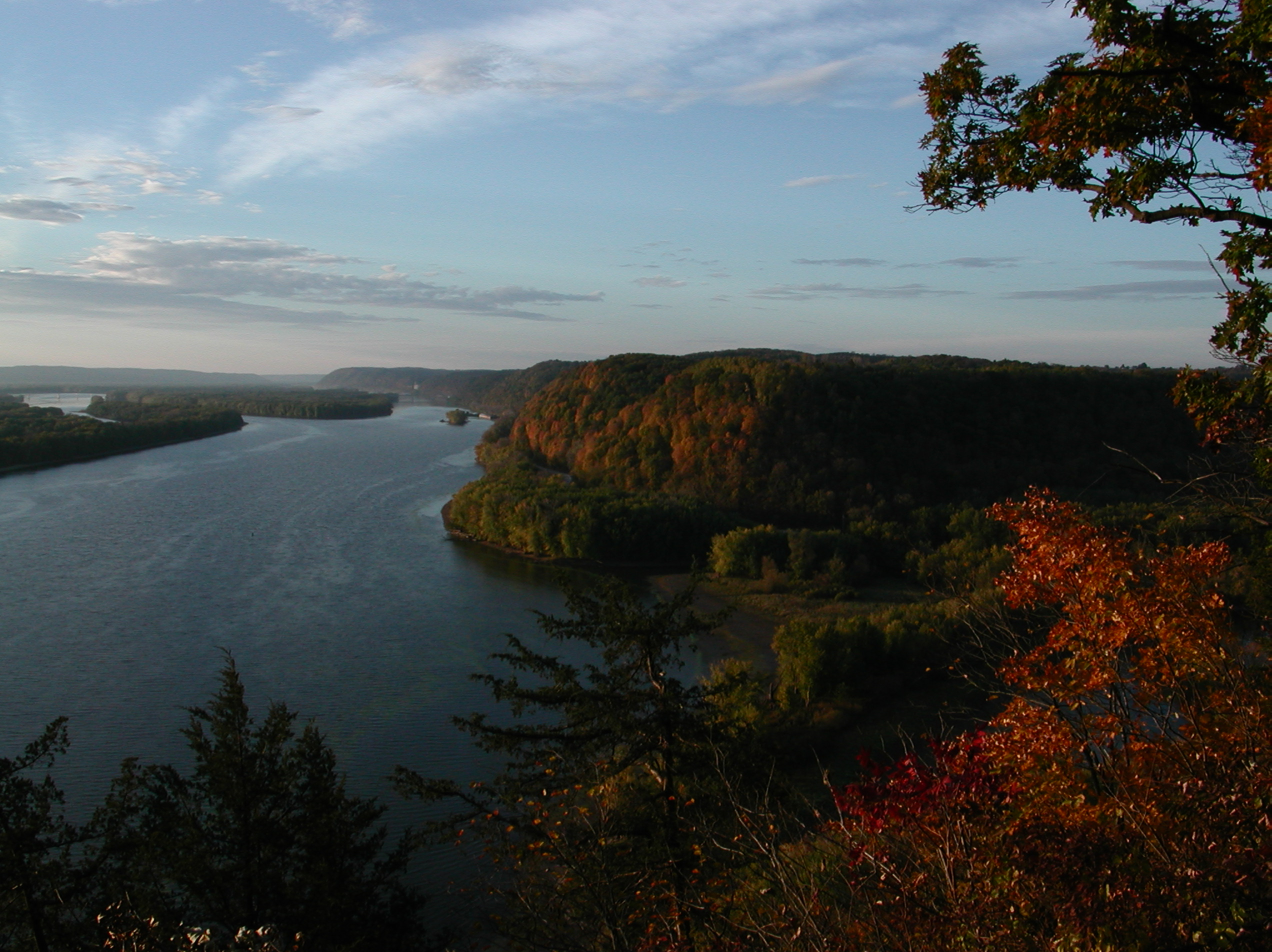
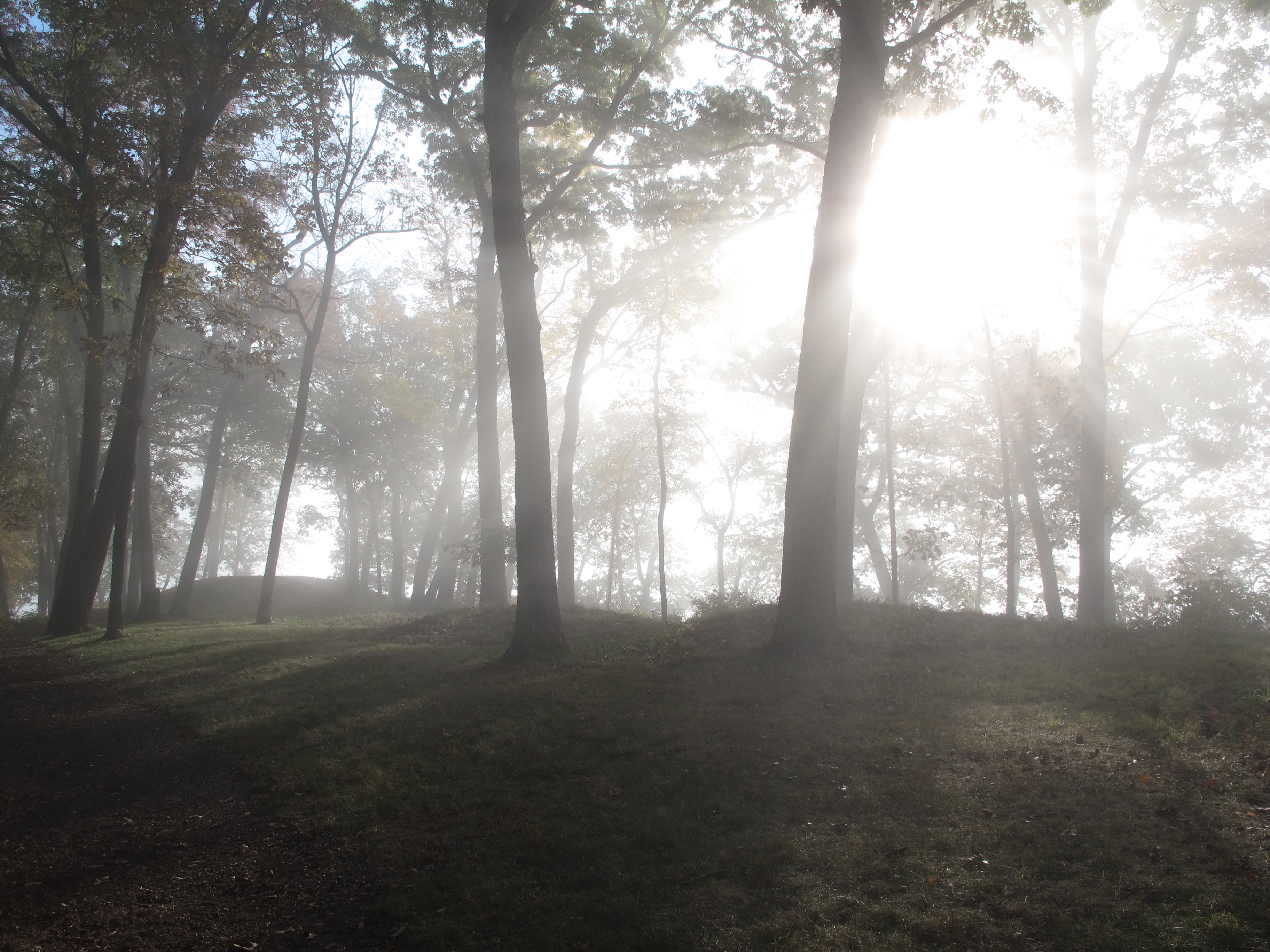
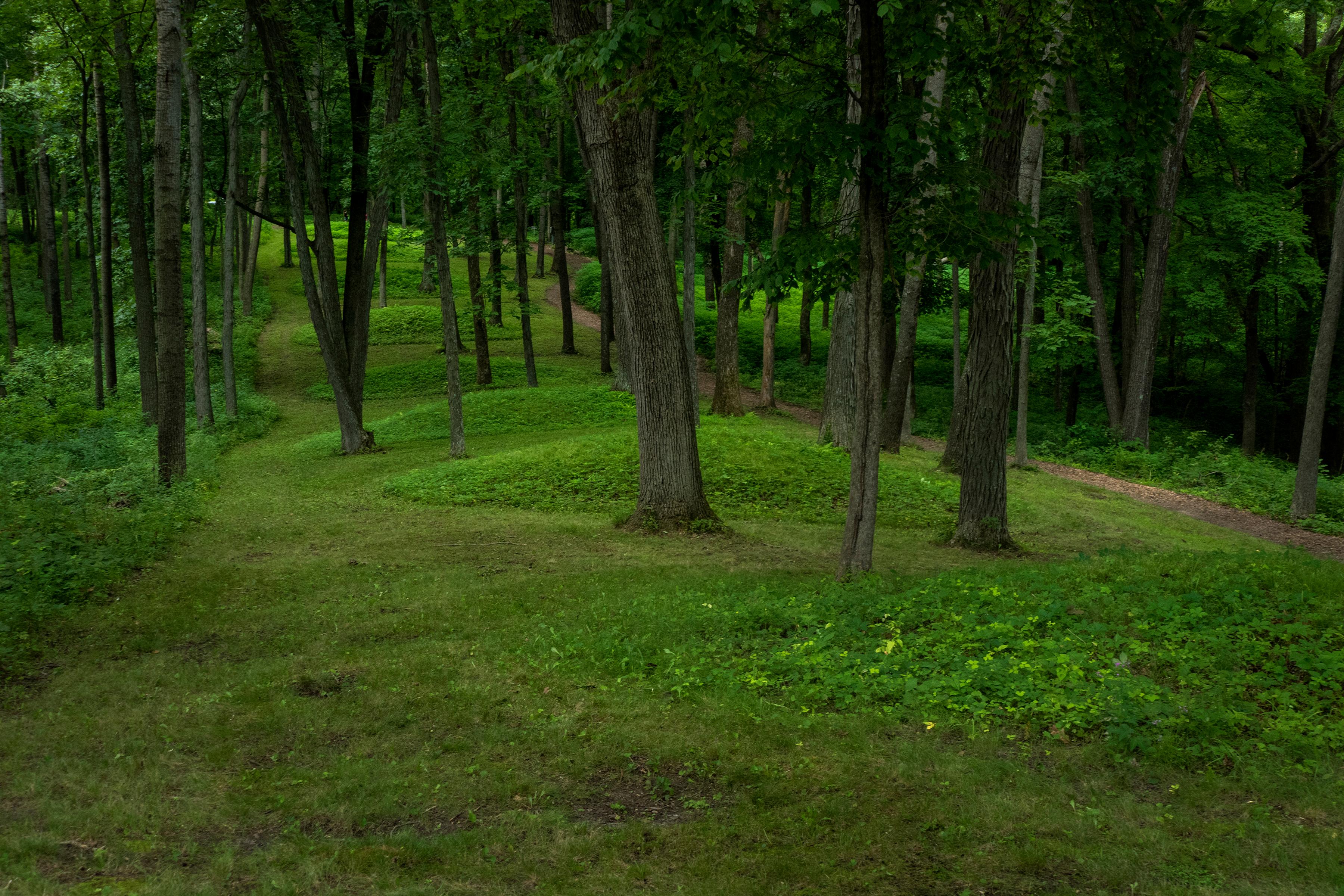
This is a destination for visitors drawn to history and cultural landscape rather than dramatic vistas. Over 200 ancient American Indian earthworks persist on a forested bluff overlooking the Upper Mississippi River Valley. These subtle, sacred shapes, constructed by Indigenous peoples across millennia, remain largely intact. Twenty culturally affiliated tribes consider these mounds sacred today. The physical engagement is notable; trails to the mounds are genuinely hilly, winding through attractive river-bluff woodland. For what it offers, the monument scores a 62 on our experience scale. It is a purposeful destination, rewarding visitors who prioritize reflection and historical context. Casual sightseers or those anticipating typical national park grandeur may find it understated.
What makes it worth it
This destination marries true hiking with a unique cultural landscape. Its trail network ascends above the Mississippi River Valley, revealing both ancient earthworks and panoramic river views. Guided tours offer critical interpretive context, elevating the meaning of these subtle landscape features. The visitor center museum provides essential background. Birdwatching along the Mississippi Flyway offers a quiet secondary appeal. The Junior Ranger program effectively engages children with the mounds. Entrance is free. This makes it an accessible complement to any Upper Mississippi itinerary.
Who should go
This monument serves history enthusiasts, archaeologists, and those interested in Indigenous cultures. Birders will find it compelling during migration season. Families prepared for moderate hiking with children will also appreciate what it offers. For those road-tripping the Upper Mississippi River corridor, it is an ideal stop. However, visitors seeking dramatic scenery, water recreation, or an extensive menu of outdoor activities should look elsewhere. There is no camping within the monument proper.
When to go
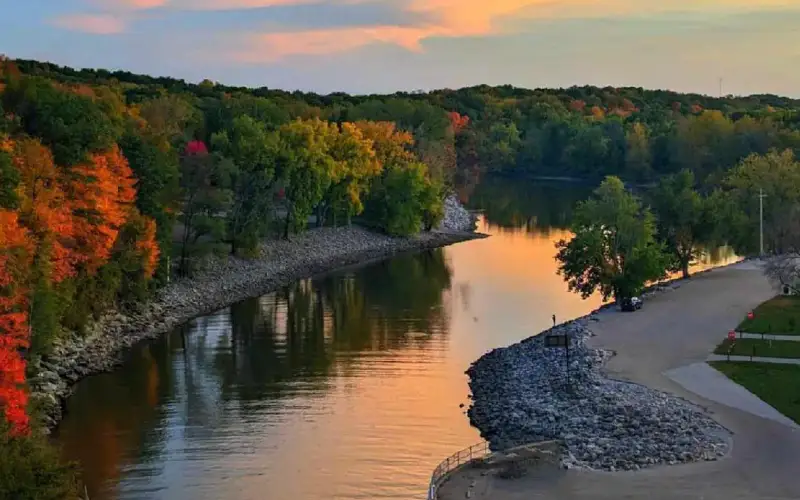
Optimal visiting seasons are spring, summer, and fall. Spring and fall offer comfortable hiking, with peak wildlife viewing during spring and fall migrations along the Mississippi Flyway. Fall also brings dramatic foliage. Summer's high humidity necessitates early morning starts to avoid heat indexes above 80 degrees. Winter provides limited access and icy trails. This season suits only the most determined visitors, despite the stark beauty.
Highlights
- Over 200 preserved American Indian earthworks including distinctive bird and bear effigy shapes
- Forested bluff hiking with views over the Upper Mississippi River Valley
- Ranger-guided tours that provide cultural and historical context unavailable elsewhere
- Mississippi Flyway birdwatching, especially strong during spring and fall migration
- Free admission with a well-curated on-site museum and bookstore
- Junior Ranger program that gives younger visitors a meaningful framework for understanding the mounds
Plan ahead
Entry is free. Trails are open daily from dawn to dusk. The terrain presents hilly river-bluff woodland, demanding sturdy footwear even for short walks. The visitor center and museum are an essential first stop before venturing onto the trails. Consult the NPS site for current guided tour schedules; availability varies seasonally.
Editor's tipA guided tour is highly recommended before independent exploration. Without interpretive context, many first-time visitors miss the subtle significance of the earthworks. The guided experience demonstrably enhances the subsequent hike.