589 units scored Refreshed on a schedule Independent, no sponsored rankings
Recreation AreaMD
Chesapeake Bay Maryland National Estuarine Research Reserve
NPS / Chesapeake Bay National Estuarine Research Reserve
66/ 100GOOD RANGE
parkverdict Experience ScoreIndependent, not sponsored
66 of 100. Our independent breadth-and-access index. How we score
Our take
Is Chesapeake Bay Maryland National Estuarine Research Reserve worth your trip?
This unit comprises three distinct estuarine habitats across Maryland, each preserving a different segment of Chesapeake Bay ecology.
Salt marsh, tidal freshwater marsh, and tidal riverine systems provide genuine scientific and sensory variety. Entry is free. A broad activity list enhances accessibility, but the multi-site layout demands visitor planning. Casual visitors expecting a single, cohesive park experience may feel disoriented. For those inclined toward paddling, fishing, or wildlife observation across diverse wetland types, this unit offers quiet rewards and remains notably undervisited.
Best for
This park is best suited for paddlers, birders, and anglers seeking extensive estuarine access without the usual crowds or fees. Photographers will discover compelling material in its wetland light. However, families anticipating a single, well-marked trailhead may find the fragmented layout frustrating. Casual sightseers should look elsewhere. Its appeal lies in its specialized offerings.
The high points
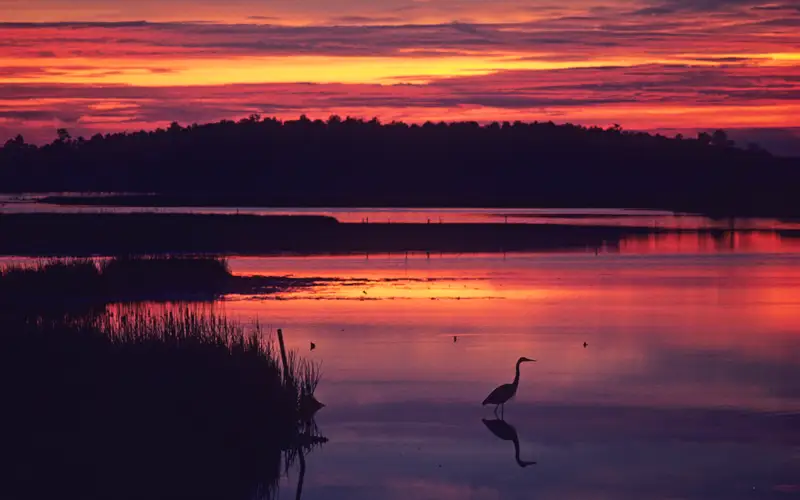
Paddling through Monie Bay salt marsh, one of the largest on the mid-Atlantic coast
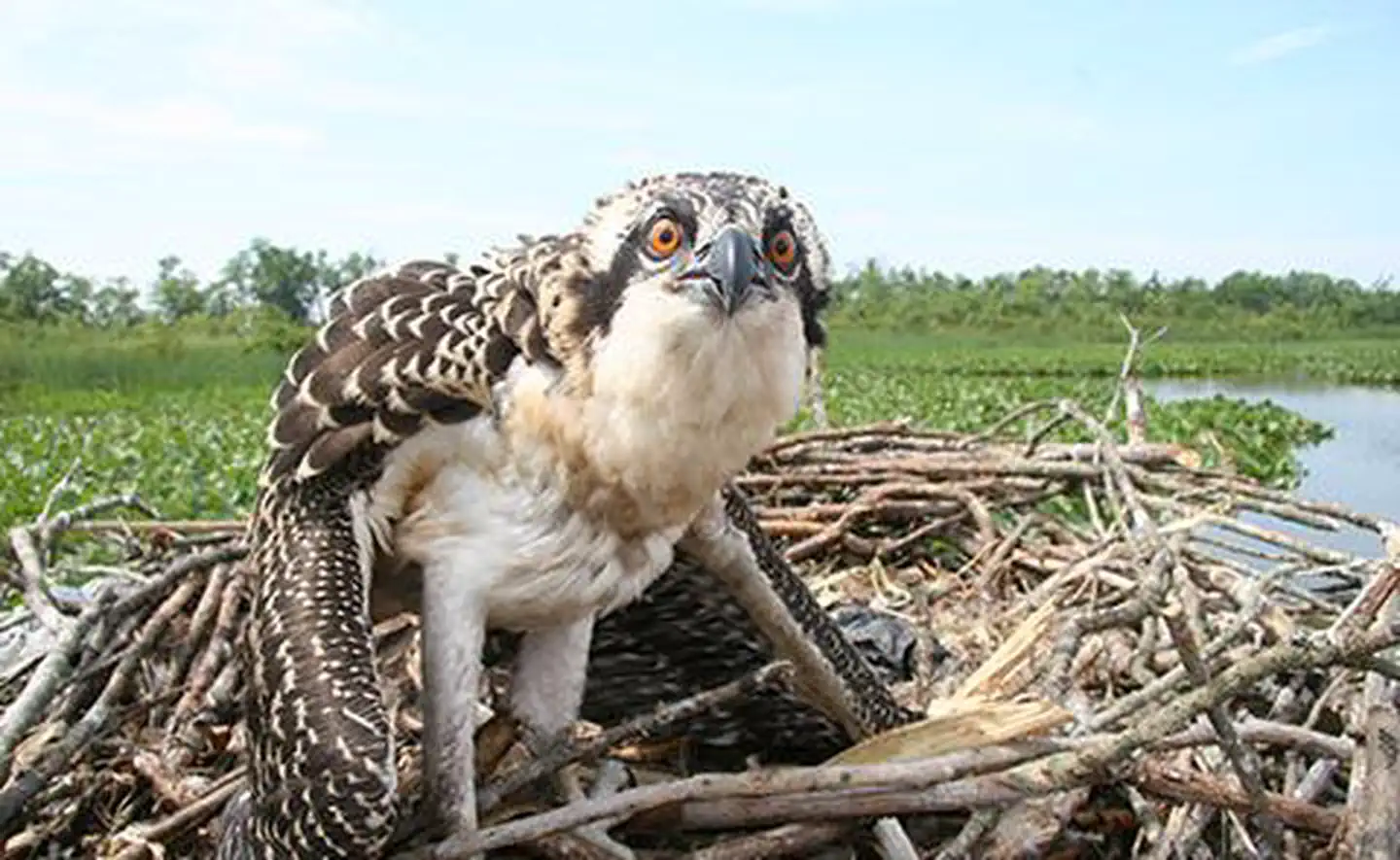
Wildlife viewing across three distinct habitat types, from tidal freshwater to open estuary
Fishing and hunting access tied to some of the Bay's most productive tributary zones
Interpretive programs that explain why estuarine health connects to the broader Chesapeake ecosystem
One more thingThe Monie Bay, Otter Point Creek, and Jug Bay components of this reserve demand separate itineraries. Each
How we scored it
How Chesapeake Bay Maryland National Estuarine Research Reserve earned its 66
Where does a 66 come from? One formula, run the same on every place we cover, built only from public data on what a unit offers and how reachable it is. It says nothing about how pretty a spot is or how busy it gets. This is what fed it:
Activity breadth11 documented activities
Topic breadth0 topics
Official imagery3 public-domain images
Camping on sitenone recorded
Entry costfree
No number is hand-adjusted and no unit pays for placement. The full weights, the floor at 18 and a worked example are on how we score.
The honest limits
The honest blind spots
Read the score for what it is. It counts what a place documents and how reachable it is, and stops there. It will not tell you if a sunset floors you, if the crowds thin out by dusk, whether a washout closed your trail, or how a ranger tells the story. Plenty of quiet, focused spots score modestly and still win the weekend. Let the number rank what is on offer; let the verdict speak to the feel.
On offer
Documented activities
BoatingHistoric & Cultural SiteInterpretive ProgramsFishingHikingHuntingVisitor CenterWildlife ViewingPhotographyPaddlingSwimming
Chesapeake Bay Maryland National Estuarine Research Reserve at a glance
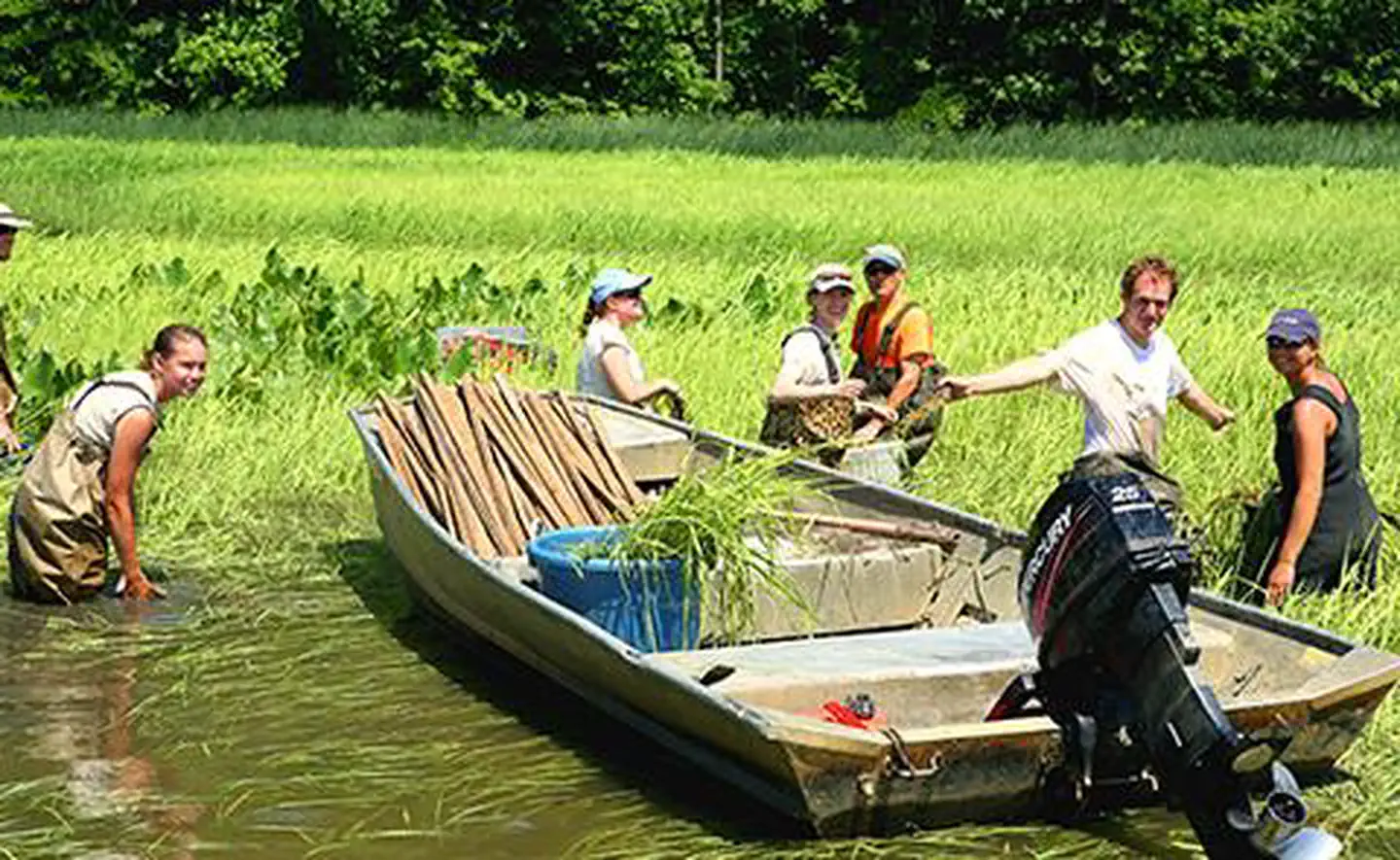
The Chesapeake Bay, America's largest estuary, is one of the world's most productive bodies of water. Maryland's multi-component Chesapeake Bay Reserve reflects the diverse estuarine habitats found there. The Bay's watershed in Maryland contains a variety of habitats. The Maryland Reserve includes several of these. Monie Bay offers a salt marsh spanning 3,416 acres. A tidal freshwater marsh at Otter Point Creek covers 736 acres. Jug Bay features a tidal riverine system of 2,087 acres. The locations of these three sites show the importance of tributaries to the Bay ecosystem's overall health.
On documented breadth and access, Chesapeake Bay Maryland National Estuarine Research Reserve ranks 12th of 20 park and public-land units we score in Maryland.
Chesapeake Bay Maryland National Estuarine Research Reserve: quick answers
Is Chesapeake Bay Maryland National Estuarine Research Reserve worth visiting?
This unit comprises three distinct estuarine habitats across Maryland, each preserving a different segment of Chesapeake Bay ecology.
Is Chesapeake Bay Maryland National Estuarine Research Reserve free to visit?
Yes, there is no entrance fee.
What is Chesapeake Bay Maryland National Estuarine Research Reserve best for?
It leans hardest toward hiking, water activities, wildlife watching, guided tours, going by the 11 activities it actually documents.
How is the Experience Score for Chesapeake Bay Maryland National Estuarine Research Reserve calculated?
The 66 comes straight from public data on how much the place documents and how easy it is to reach, things like activities, topics, photos, camping and whether entry is free. It says nothing about scenery or how busy it gets.
Reviewed by Irene A. Taranina, founding editor/Checked against official public data/Published /Updated /Independent, no sponsored rankings
Published by Mine Marketing LTD, an independent digital publisher. Not affiliated with the National Park Service.