Should you visit Cane River Creole National Historical Park?
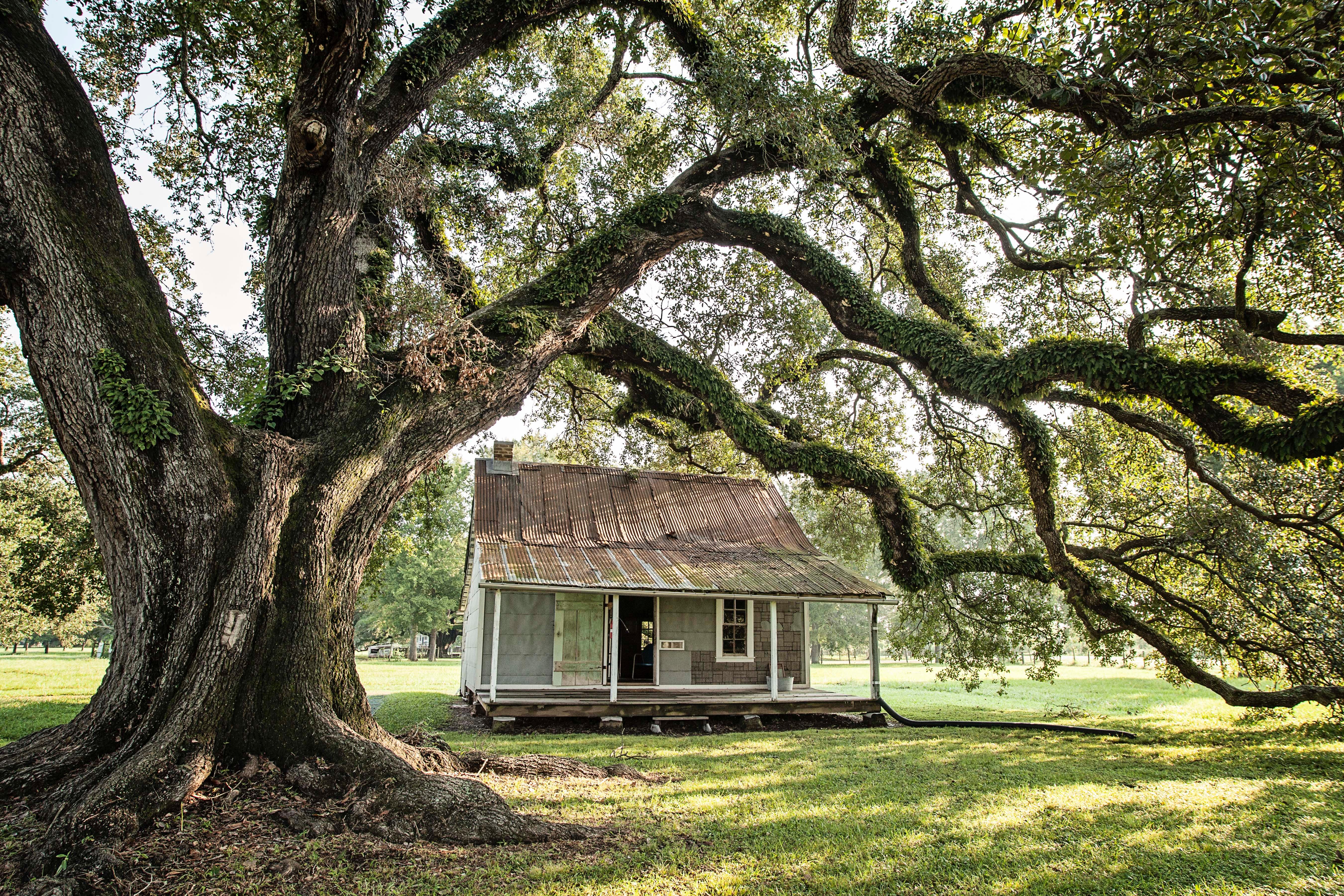
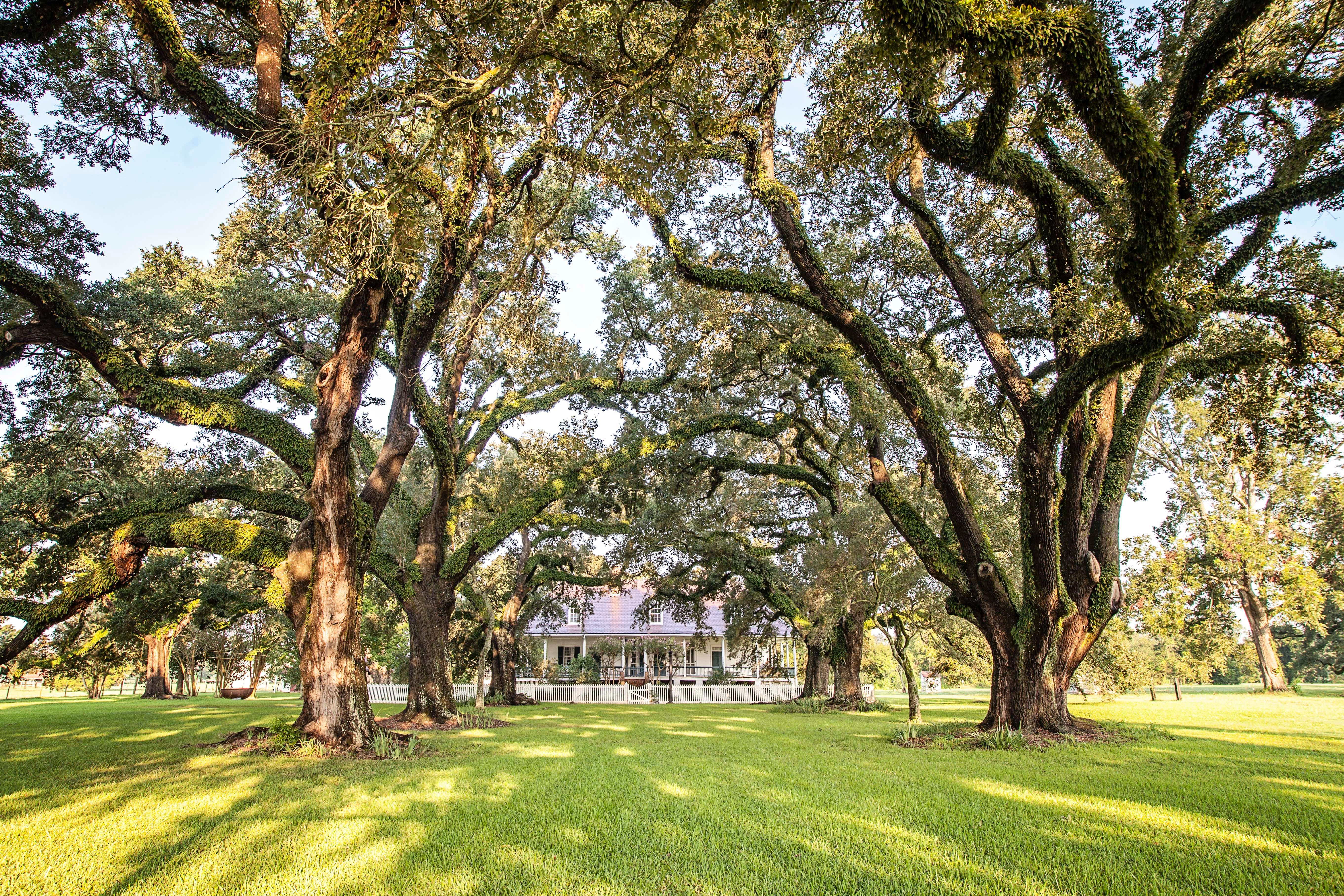
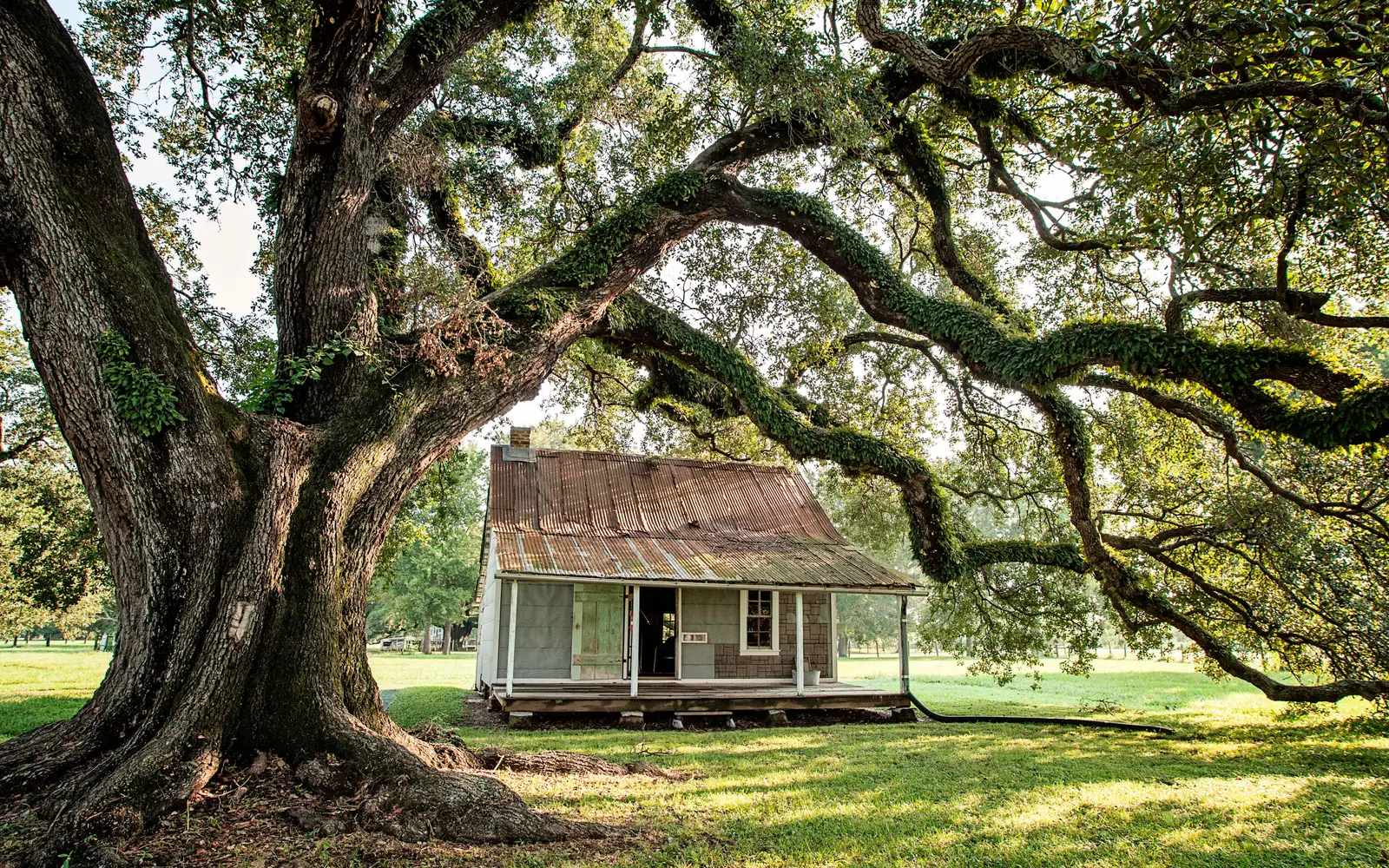
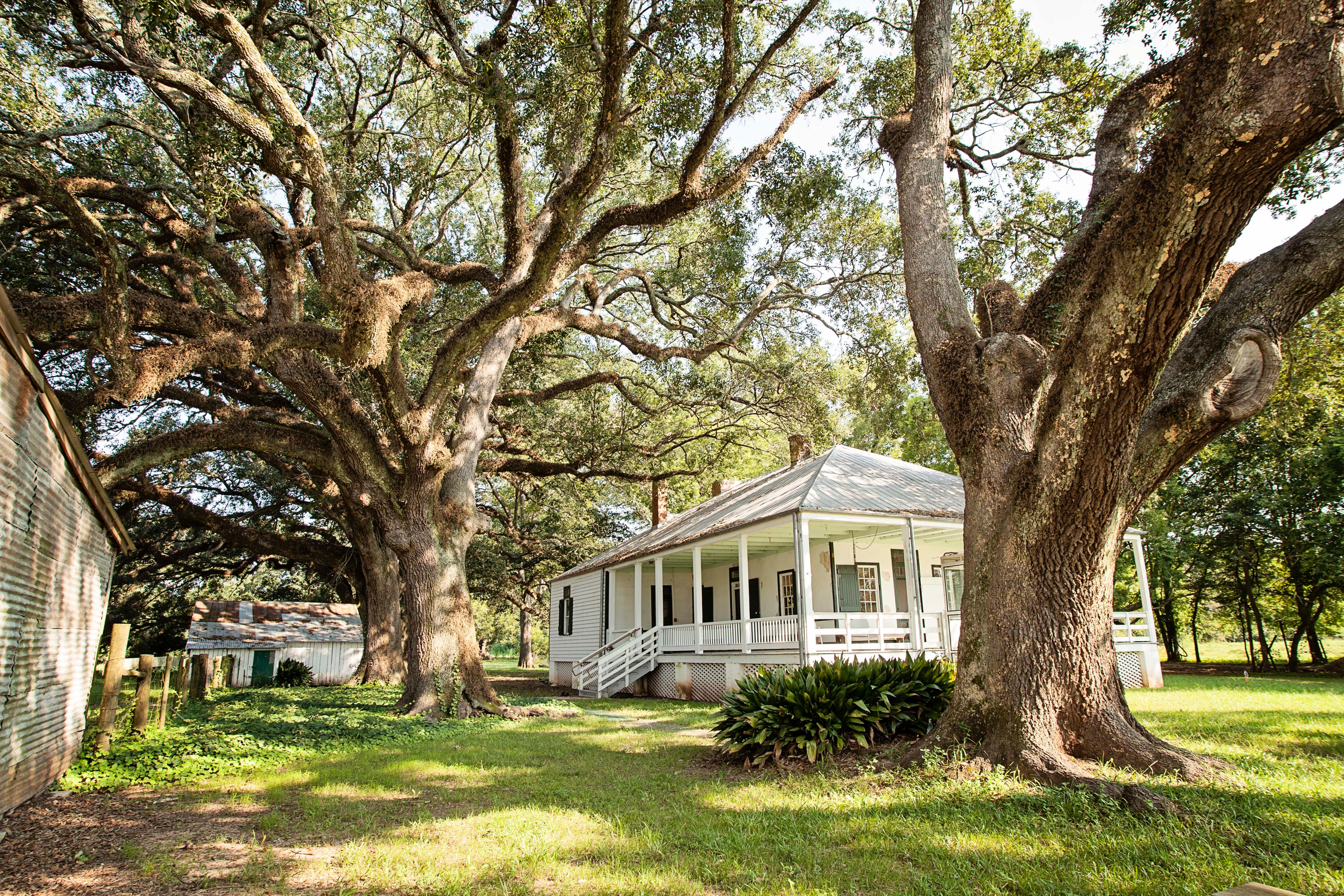
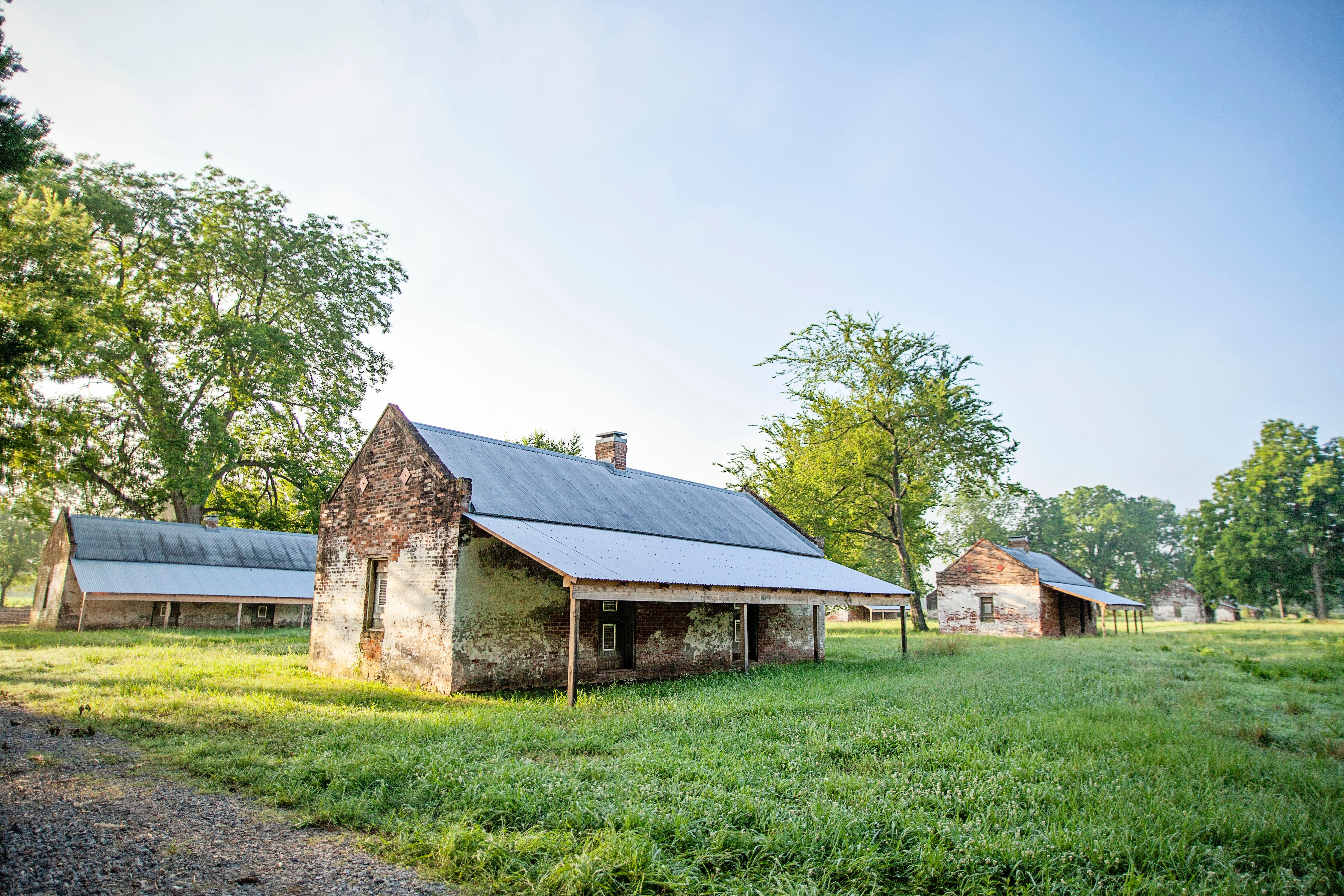
Cane River Creole National Historical Park offers a specialized historical experience, preserving two of the most intact Creole cotton plantation landscapes in the United States: Oakland and Magnolia Plantations.
Located in central Louisiana's Cane River region, this destination prioritizes understanding over recreation. Its focus remains squarely on the layered, complex narrative of Creole culture over two centuries, presented through the lives of enslaved workers and owning families. The surviving physical landscapes, outbuildings, and structures are genuinely rare historical assets. Visitors should anticipate a reflective, educational visit. Free admission and guided tour options enhance accessibility. Operating hours, Wednesday through Sunday from 9 am to 3:30 pm, necessitate advance planning. An Experience Score of 49 reflects its focused scope. This is a meaningful stop for the historically inclined visitor, not a broad recreational destination.
What makes it worth it
This park offers direct access to two preserved plantation complexes. Their intact grounds provide a tangible sense of the generations of Creole families, free and enslaved, who shaped this region. Ranger-led guided tours offer essential depth and context beyond self-guided exploration. The distinct Creole cultural identity of Louisiana is seriously documented here, setting it apart from other national sites. Combine a guided plantation tour with a self-guided walk at the second, and consider a picnic. The documented breadth and access make a substantive half-day for those curious about the complexities of American history.
Who should go
This destination caters to a specific audience. Those with a profound interest in Southern, African American, or Creole cultural history will find the offerings deeply rewarding. The Junior Ranger Program, designed for families with older children, encourages thoughtful engagement with challenging historical narratives. However, for visitors prioritizing hiking, wildlife viewing, or general outdoor recreation, this location offers
When to go
Optimal visiting conditions occur in spring and fall. Louisiana summers are hot and humid, making prolonged outdoor touring draining. Winters are mild, though rain can be unpredictable. Given the region's severe weather potential, check forecasts closely for thunderstorms and high winds regardless of season.
Highlights
- Guided ranger tours of Oakland and Magnolia Plantation grounds with historical interpretation
- Two of the most physically intact Creole cotton plantation landscapes surviving in the United States
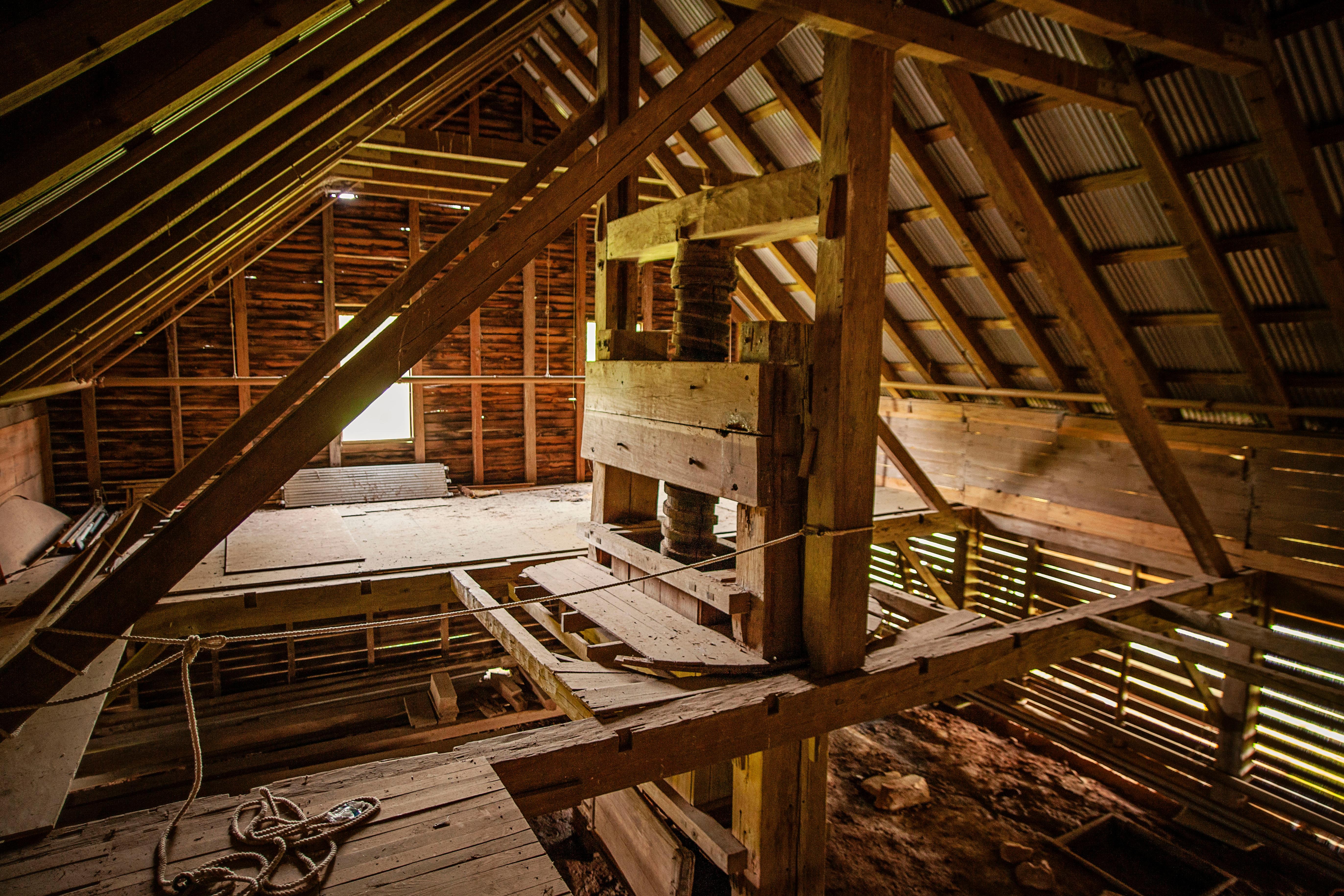
- Self-guided walking tours allowing independent exploration of outbuildings and cultural landscape
- Creole cultural history spanning over 200 years of overlapping family, labor, and ownership stories
- Junior Ranger Program for younger visitors engaging with the site's layered history
- Free admission with no barrier to entry for budget-conscious travelers
Plan ahead
This unit is a niche destination, open Wednesday through Sunday, 9 am to 3:30 pm. Admission is free. Its remote Central Louisiana location requires dedicated travel. Casual sightseers should look elsewhere. Outdoor walking is necessary to experience the grounds. Bring water and sun protection during warmer months.
Editor's tipFor this park, prioritizing an early arrival to secure a spot on a guided ranger tour is essential. The ranger interpretation here delivers the full human story of these plantations, specifically including