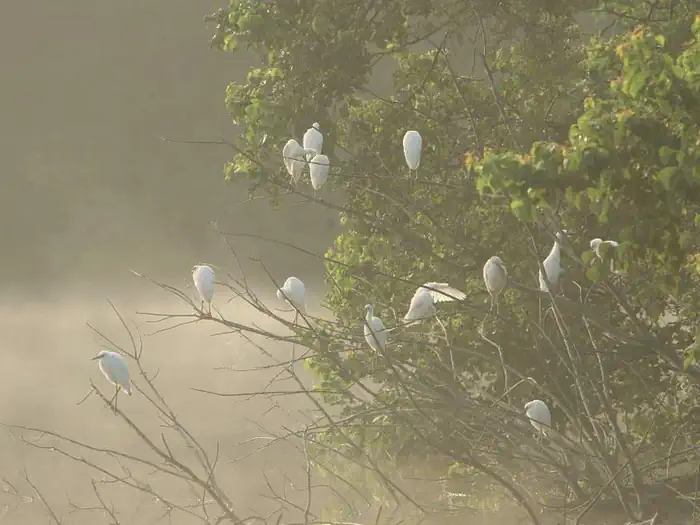
Is Bogue Chitto National Wildlife Refuge worth your trip?
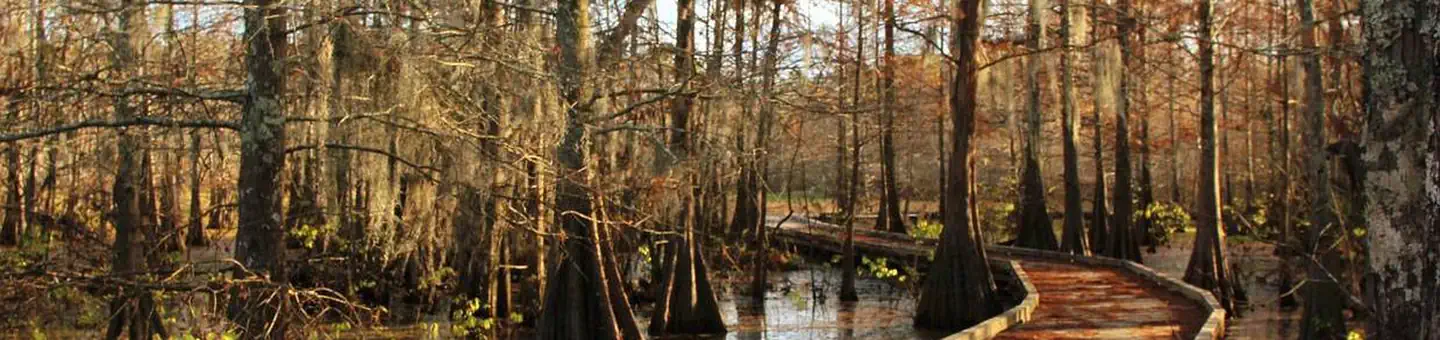
Bogue Chitto National Wildlife Refuge, straddling the Louisiana-Mississippi border along the Pearl River, prioritizes wilderness over typical visitor amenities.
Its 72/100 experience score reflects substantial offerings for those prepared for a rugged, unguided exploration. This domain of bottomland hardwood forest and wetland waterways provides habitat for less common species, including swallow-tailed kites and Gulf sturgeon. Access is primarily by boat or on foot. Infrastructure is minimal. Interpretive signage is largely absent. The refuge rewards patience and self-sufficiency. Hunters, paddlers, anglers, and serious birders will find ample opportunity. Casual sightseers expecting a groomed recreational experience should adjust expectations.
Why go
Water defines this park. The Pearl River and its tributary sloughs offer paddlers a wild corridor through intact bottomland forest, a habitat type now rare across the Mississippi Delta. Anglers targeting species like Gulf sturgeon engage directly with conservation efforts. Birding provides exceptional opportunities; swallow-tailed kites are a striking possibility during migration or breeding season. Those hikers who tolerate wet, soft terrain will access old-growth bottomland forest. Camping allows for evening wildlife observation. Interpretive programs, when offered, deepen ecological understanding.
Best for
This unit is best suited for those seeking a low-development, high-wildness experience within the Pearl River Basin. Paddlers, hunters, anglers, and birders will find ample opportunities. The terrain also rewards campers comfortable with primitive conditions. Casual sightseers or those requiring paved trails, visitor center amenities, or a structured itinerary should consider other destinations. Families with young children will need to plan carefully, given the predominant wetland environment.
Best season
This unit presents seasonal trade-offs. Spring is optimal for birding, with swallow-tailed kites and neotropical migrants active in the bottomland forest. Fall ushers in hunting seasons and cooler conditions for paddling. Summer heat, humidity, and insects are significant deterrents. Winter affords quiet observation, prime waterfowl viewing, and improved wildlife spotting through leafless trees. Always check river levels before a visit if there has been recent heavy rainfall.
The high points
- Paddling the Pearl River through intact bottomland hardwood forest corridor
- Birding for swallow-tailed kites and migratory species in a rare Delta habitat
- Fishing in waters that support species of conservation concern including Gulf sturgeon
- Primitive camping in a large contiguous block of conserved forested wetlands
- Hunting access within a refuge that connects to adjacent state wildlife management areas
- Interpretive programs that provide ecological context for the Pearl River Basin
Know before you go
This refuge offers an exceptional value; admission is free. However, its expansive nature means access points vary significantly. Some interior sections are effectively reachable only by boat. Prepare for unreliable cell service across the refuge. Visitors must also consult current hunting season dates, as these directly impact safe recreation areas and methods. Insect repellent is a year-round necessity.
One more thingPaddling the Pearl River requires foresight. Plan your launch to utilize the current for your return. An upstream paddle in summer heat presents a significant challenge.