parkverdict
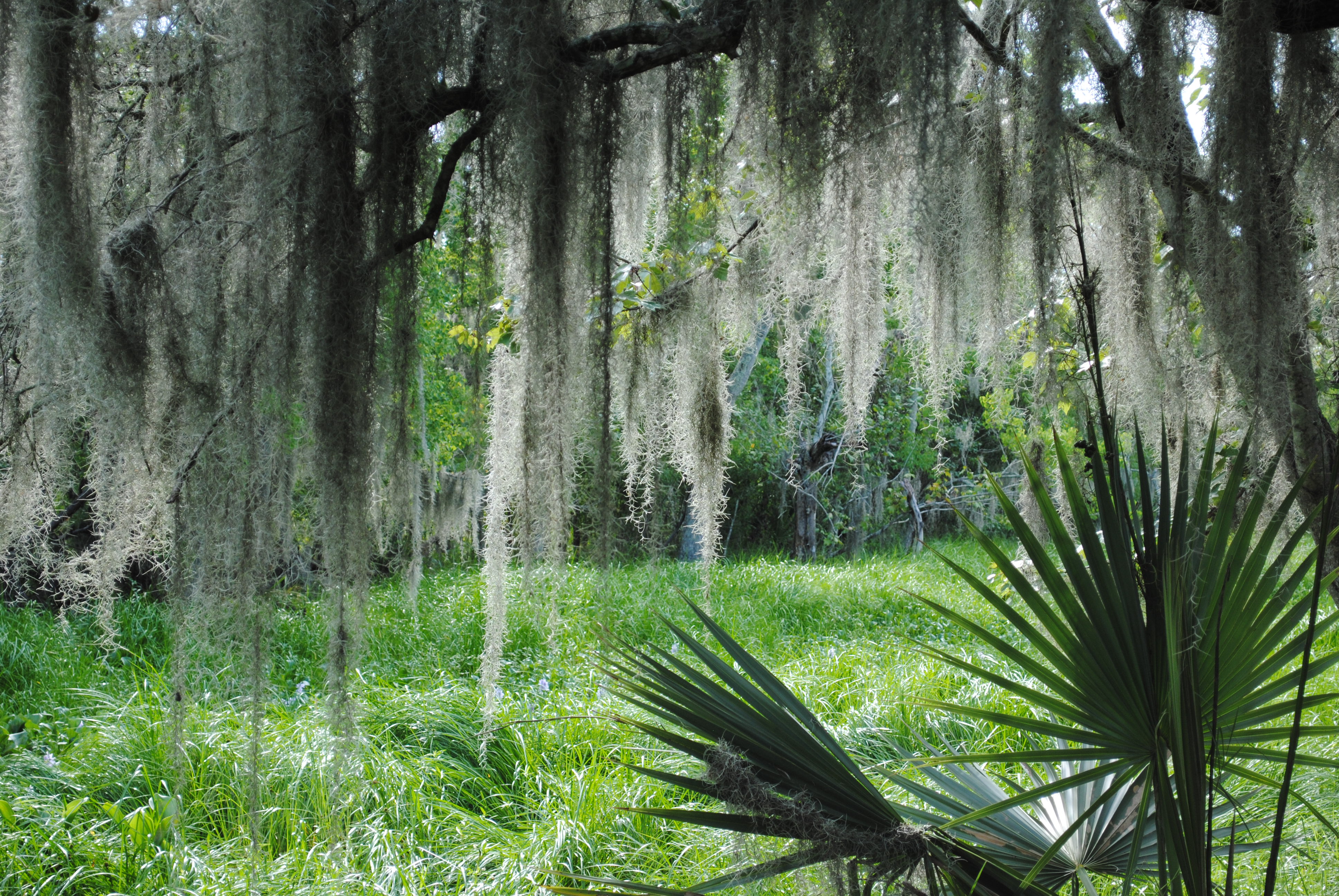
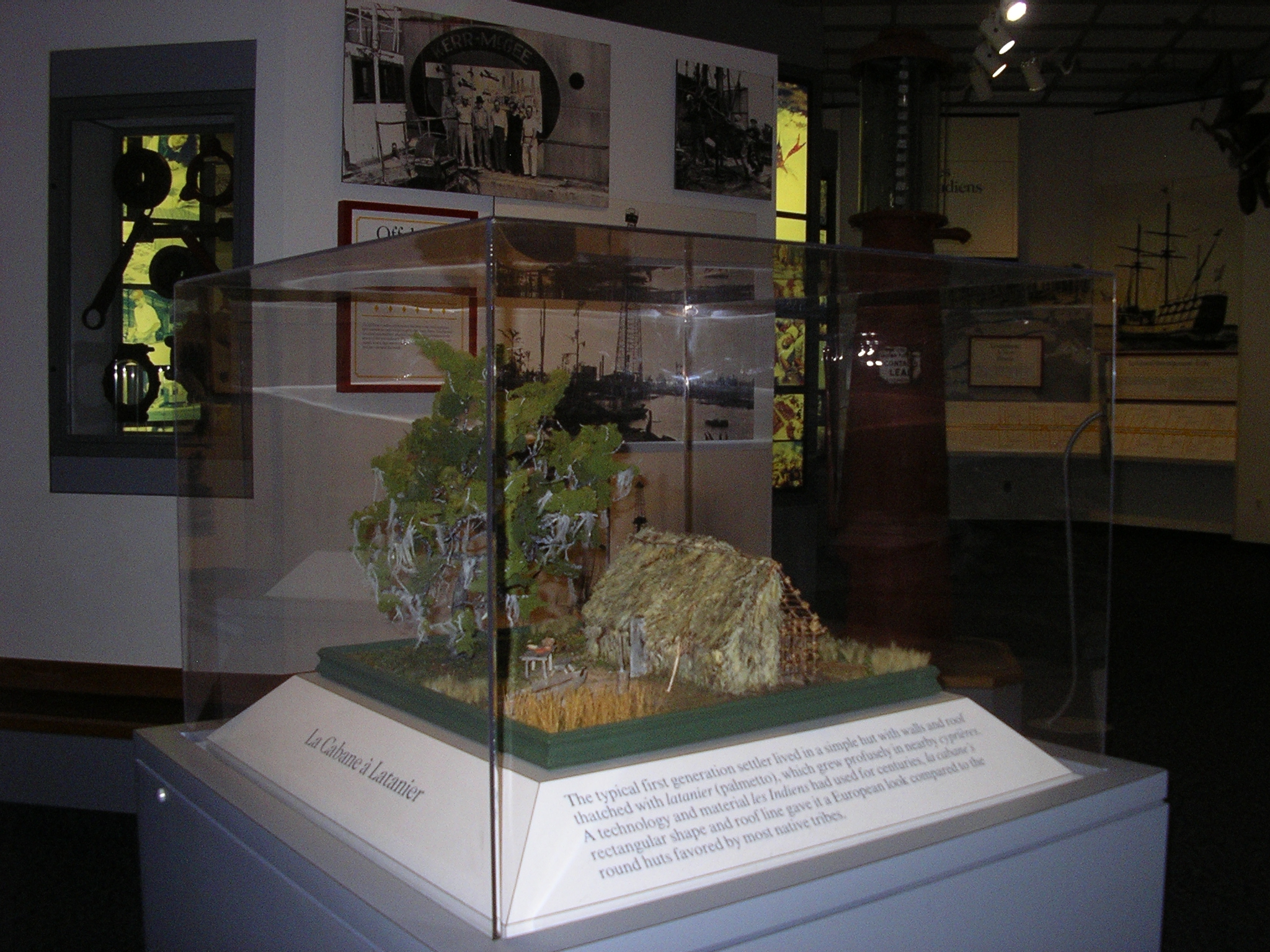
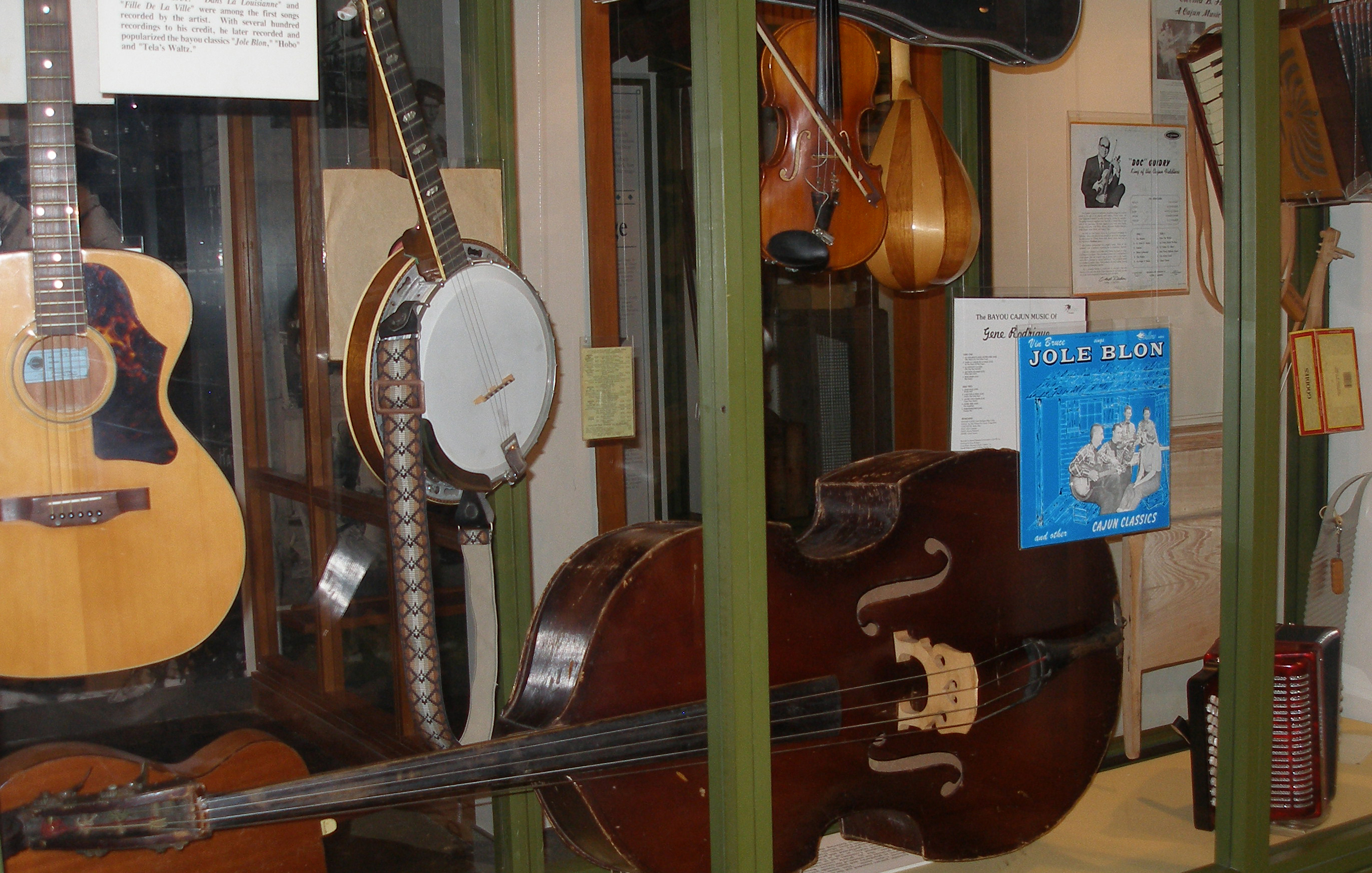
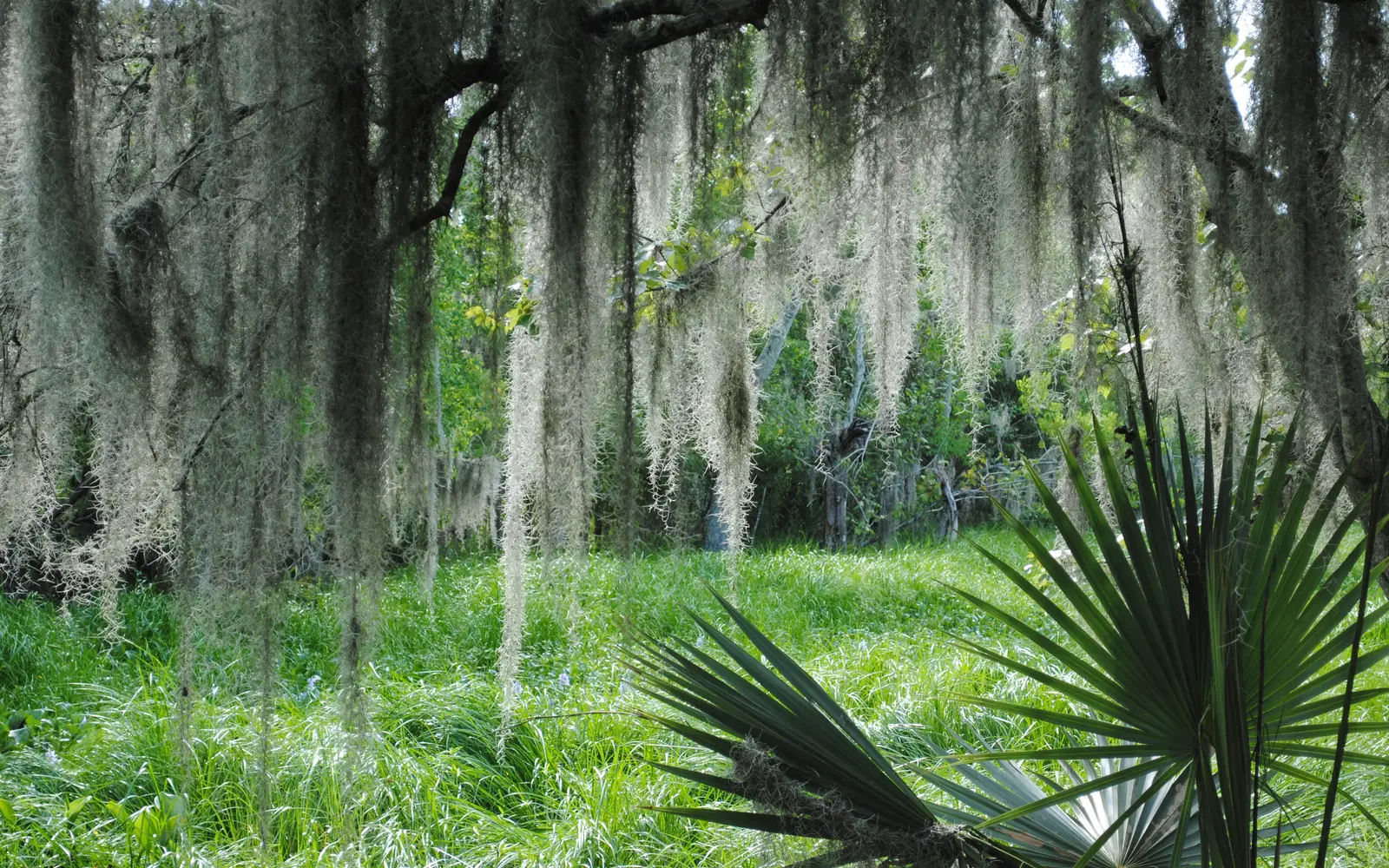
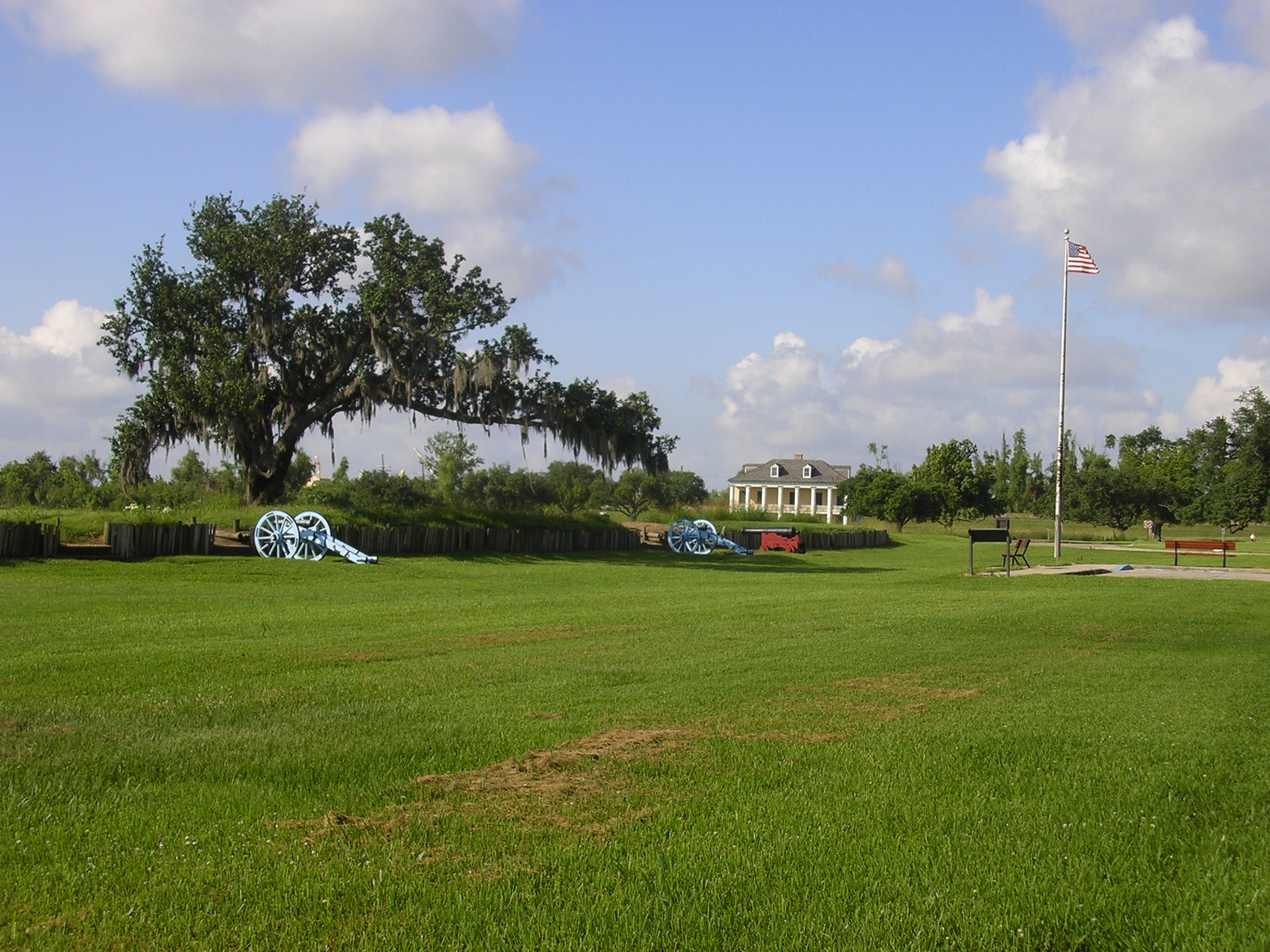
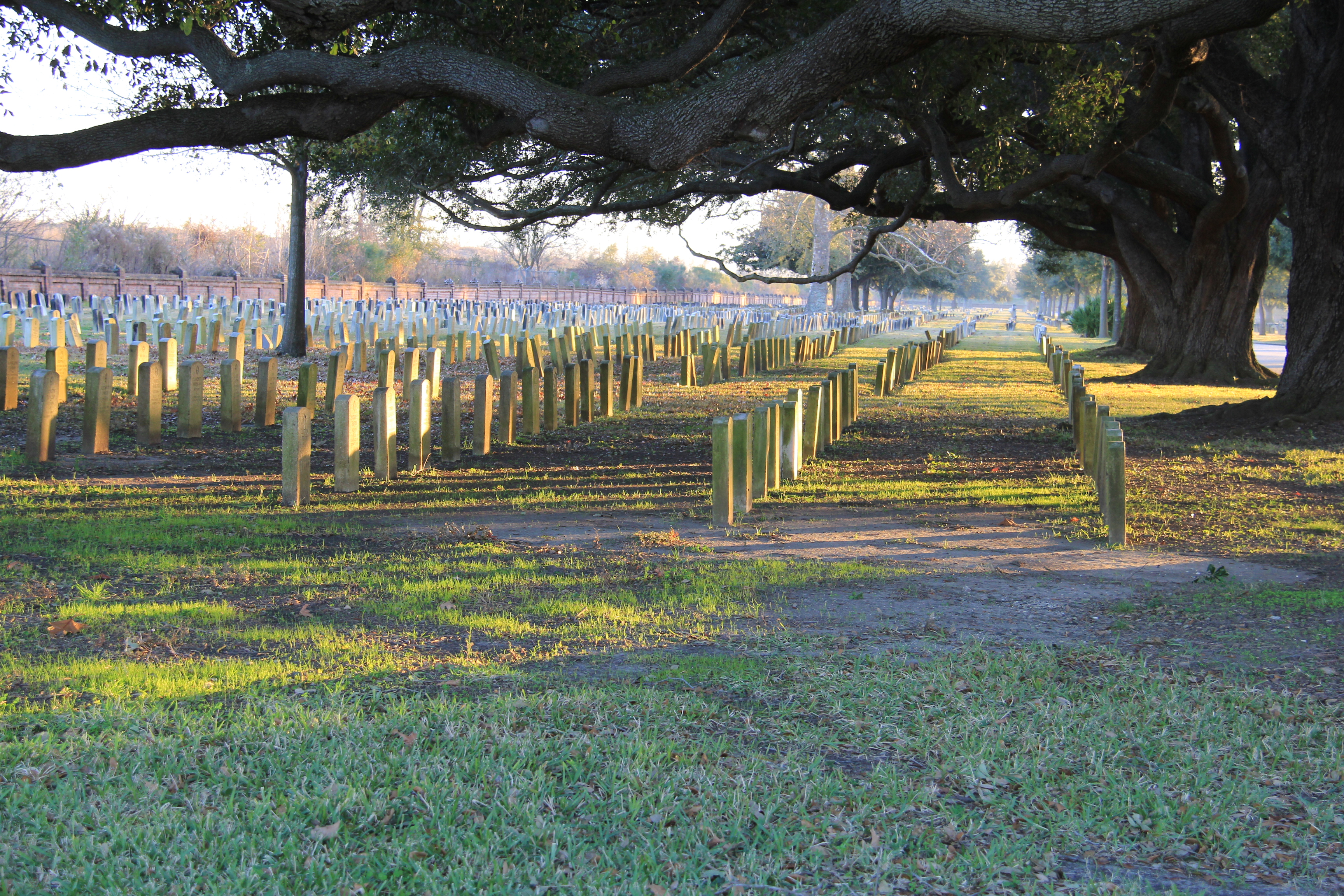
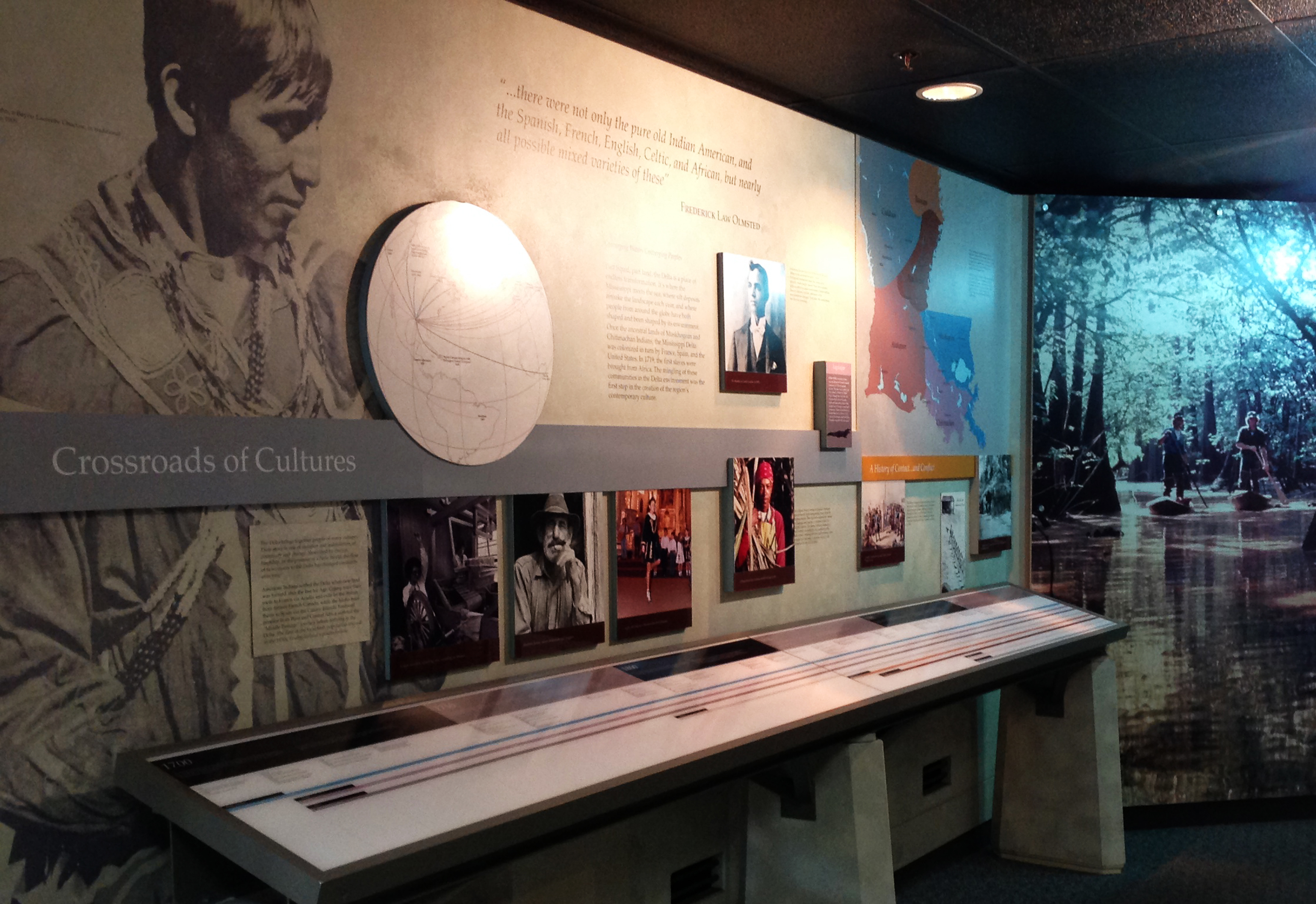
Spanish moss hangs from live oak treeAn oak tree arches over a cannon-guarded rampart with historic house and American flag in backgroundSetting sun lights up cemetery headstonesVisitor center exhibit titled "Crossroads of Cultures"
National Historical Park and PreserveLA

Jean Lafitte National Historical Park and Preserve

NPS / NPS Photo
88/ 100DOES IT ALL
parkverdict Experience ScoreIndependent, not sponsored

88 of 100. Our independent breadth-and-access index. How we score

The bottom line

Jean Lafitte National Historical Park and Preserve: our verdict

Jean Lafitte is genuinely different from almost every other NPS unit in the country.

Instead of one continuous park, it is six separate sites scattered across the greater New Orleans area, each built around a distinct piece of Louisiana's identity: French Creole culture in the city, Cajun heritage in the wetlands, and the 1815 Battle of New Orleans at Chalmette. Admission is free at all of them, and the 88 Experience Score reflects real breadth rather than marketing spin. On any given visit you might watch living historians fire period weapons, pick up traditional Cajun crafts from practitioners who actually grew up making them, walk the Barataria Preserve's cypress-tupelo swamp in search of birds, or catch live Cajun or zydeco music. Sometimes all of that fits into a single weekend. History buffs, birders, and families with kids each leave with something worth coming back for.

Why visit

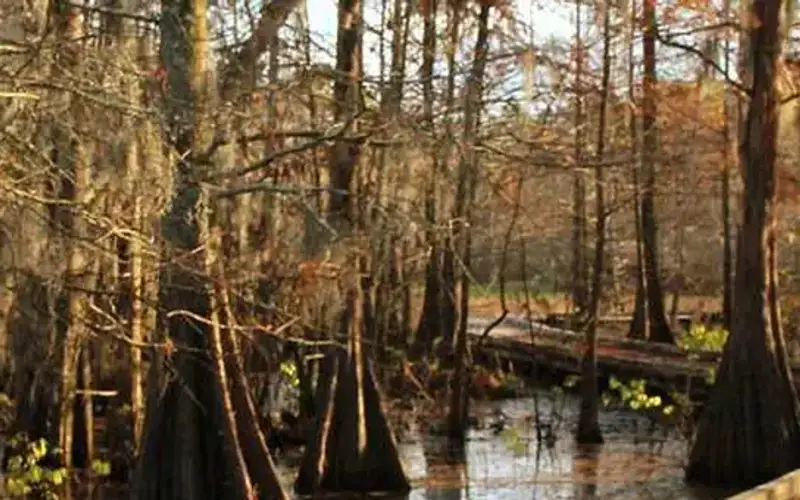
What counts as a good day at Jean Lafitte really depends on which of the six sites you end up at. Barataria Preserve has boardwalk trails cutting through swamp habitat, and alligators along with wading birds show up reliably enough that you can count on seeing them. Over in Treme, the Folklife Center runs craft demonstrations and live traditional music. Chalmette Battlefield offers guided tours and historic weapons demonstrations that make the War of 1812 feel immediate in a way no museum panel ever quite pulls off. Kids can work through the Junior Ranger program, which gives them something concrete to chase across sites rather than just trailing along behind adults. Because all six sites are free to enter, you can put together a multi-day trip that moves between wetland ecology, Cajun living history, and urban Creole culture without worrying about gate fees eating into your budget.

Who it suits

Cultural travelers, history buffs, birders, and families all have real reasons to visit. The living history exhibits, craft demonstrations, and wildlife watching cost nothing, which takes a lot of pressure off planning a multi-generational trip. Just don't come expecting a single dramatic viewpoint or a serious backcountry workout. This place rewards people who want to understand somewhere, not just photograph it.

Timing your visit

March through May give you the best weather for a visit. Highs sit in the mid-70s, migratory birds pass through the Barataria wetlands, and spending time outside feels comfortable rather than like a chore. Summer is brutally humid, with heat indices running 10 to 20 degrees above an already punishing 89-degree average. Fall brings some relief. Winter tends to be mild and less crowded, though it's worth checking individual site hours before you head out.

What stands out

  • Alligator and wading bird sightings in the Barataria Preserve swamp
  • Historic weapons demonstrations and first-person interpretation at Chalmette Battlefield
  • Live Cajun and traditional Louisiana music at the Folklife Center
  • Hands-on craft demonstrations led by actual cultural practitioners
  • Freshwater fishing and wildlife watching across the wetland units
  • Free admission across all six sites, with a Junior Ranger program spanning the whole park

Good to know

All six sites are free to visit, but they're scattered across the New Orleans metro area, which means you'll need a car or rideshare to get between them. Hours and open days differ from site to site, so check the NPS website for each one before you head out. People who skip that step really do show up to locked gates.

Insider tipThe Folklife Center in Treme occasionally puts live music and craft demonstrations on the same day, but the programming runs on a fixed schedule, so walking in without checking first is a gamble. Look at the NPS event calendar before you go.

How we scored it

Behind the 88

The number is not a mood. It is a few things we can actually check in public records, added up and capped so no single one runs away with the total. It tracks how much a place has going on and how easy it is to reach, and nothing about scenery or crowds. Here is what added up to 88:

  • Activity breadth24 documented activities
  • Topic breadth44 topics
  • Official imagery6 public-domain images
  • Camping on sitenone recorded
  • Entry costfree

No number is hand-adjusted and no unit pays for placement. The full weights, the floor at 18 and a worked example are on how we score.

The honest limits

Where the score goes quiet

One limit to keep in mind. Everything here comes from public records on what a unit documents and how reachable it is, so the score cannot judge beauty, crowds, trail conditions, weather, or how good any single program is. That is exactly why a small, specific place can score below a sprawling park and still be your better trip. Take the number as a like-for-like look at what is on paper, and lean on the verdict for the human read.

Things to do

What it offers

Arts and CultureCraft DemonstrationsCultural DemonstrationsLive MusicFishingFreshwater FishingGuided ToursSelf-Guided Tours - WalkingHands-OnCitizen ScienceArts and CraftsHunting and GatheringHuntingLiving HistoryHistoric Weapons DemonstrationFirst Person InterpretationJunior Ranger ProgramWildlife Watching
Overview

About Jean Lafitte National Historical Park and Preserve

In Jean Lafitte's time, treasure meant silver and gold. These days it's harder to carry home: the people, the places, the memories you collect along the way. Come discover New Orleans' cultural mix, learn Cajun traditions from the people who still live them, and watch an alligator sun itself on a bayou bank. Walk the ground where men fought at the Battle of New Orleans in 1815. Follow the link and find Jean Lafitte's treasure for yourself.

On documented breadth and access, Jean Lafitte National Historical Park and Preserve ranks 1st of 5 park and public-land units we score in Louisiana.

Climate note

Temperatures are in degrees Fahrenheit. Humidity climbs to 90% in summer, which makes it feel anywhere from 10 to 20 degrees hotter than the thermometer actually reads. Spring (March, April, May): average high 77, low 61. Summer (June, July, August): average high 89, low 75. Fall (September, October, November): average high 78, low 64.

Common questions

Jean Lafitte National Historical Park and Preserve: quick answers

Is Jean Lafitte National Historical Park and Preserve worth visiting?

Jean Lafitte is genuinely different from almost every other NPS unit in the country.

Is Jean Lafitte National Historical Park and Preserve free to visit?

No charge at the gate.

What is Jean Lafitte National Historical Park and Preserve best for?

It leans hardest toward good with kids, water activities, wildlife watching, guided tours, going by the 24 activities it actually documents.

When is the best time to visit Jean Lafitte National Historical Park and Preserve?

March through May give you the best weather for a visit.

How is the Experience Score for Jean Lafitte National Historical Park and Preserve calculated?

The 88 comes straight from public data on how much the place documents and how easy it is to reach, things like activities, topics, photos, camping and whether entry is free. It says nothing about scenery or how busy it gets.