589 units scored Refreshed on a schedule Independent, no sponsored rankings
National Wildlife RefugeLA
Cameron Prairie National Wildlife Refuge
NPS / Meghan Magee, Share the Experience
46/ 100FOCUSED
parkverdict Experience ScoreIndependent, not sponsored
46 of 100. Our independent breadth-and-access index. How we score
Our take
Is Cameron Prairie National Wildlife Refuge worth your trip?
Cameron Prairie is a serious birding and waterfowl destination.
The refuge is not a general-interest park. Free to enter and sitting at the intersection of two major flyways, it delivers genuine spectacle during winter migration as ducks and geese flood the coastal marsh and old rice fields. Outside that specific window, the appeal narrows considerably. The activity list is honest and short: boating, paddling, fishing, or hunting. If those pursuits excite you in a Louisiana marsh setting, this refuge punches well above its modest size.
Best for
This refuge excels as a destination for specific interests. Waterfowl hunters and winter birders will find it genuinely rewarding from late fall through February. Paddlers and anglers seeking quiet coastal marsh exploration are also well-suited. However, casual sightseers or hikers expecting developed trails and overlooks should look elsewhere.
The high points
Winter waterfowl spectacle at the convergence of two major North American flyways
Paddling and boating through fresh marsh and old rice field habitat
Hunting access managed specifically for migratory waterfowl seasons
Visitor center with interpretive programs grounding the refuge conservation story
One more thingTiming a visit between November and February optimizes the chance to observe peak waterfowl migration, when duck and goose numbers are at their highest. Prospective visitors must consult the refuge website prior to arrival, as public access on specific tracts is subject to change based on hunting seasons.
How we scored it
Why Cameron Prairie National Wildlife Refuge scores 46
We keep the math boring on purpose. The same handful of public-data inputs, capped so none of them dominates, decide every score. What they measure is breadth and access, not beauty and not crowd levels. For Cameron Prairie National Wildlife Refuge, they shook out like this:
Activity breadth6 documented activities
Topic breadth0 topics
Official imagery2 public-domain images
Camping on sitenone recorded
Entry costfree
No number is hand-adjusted and no unit pays for placement. The full weights, the floor at 18 and a worked example are on how we score.
The honest limits
The honest blind spots
Read the score for what it is. It counts what a place documents and how reachable it is, and stops there. It will not tell you if a sunset floors you, if the crowds thin out by dusk, whether a washout closed your trail, or how a ranger tells the story. Plenty of quiet, focused spots score modestly and still win the weekend. Let the number rank what is on offer; let the verdict speak to the feel.
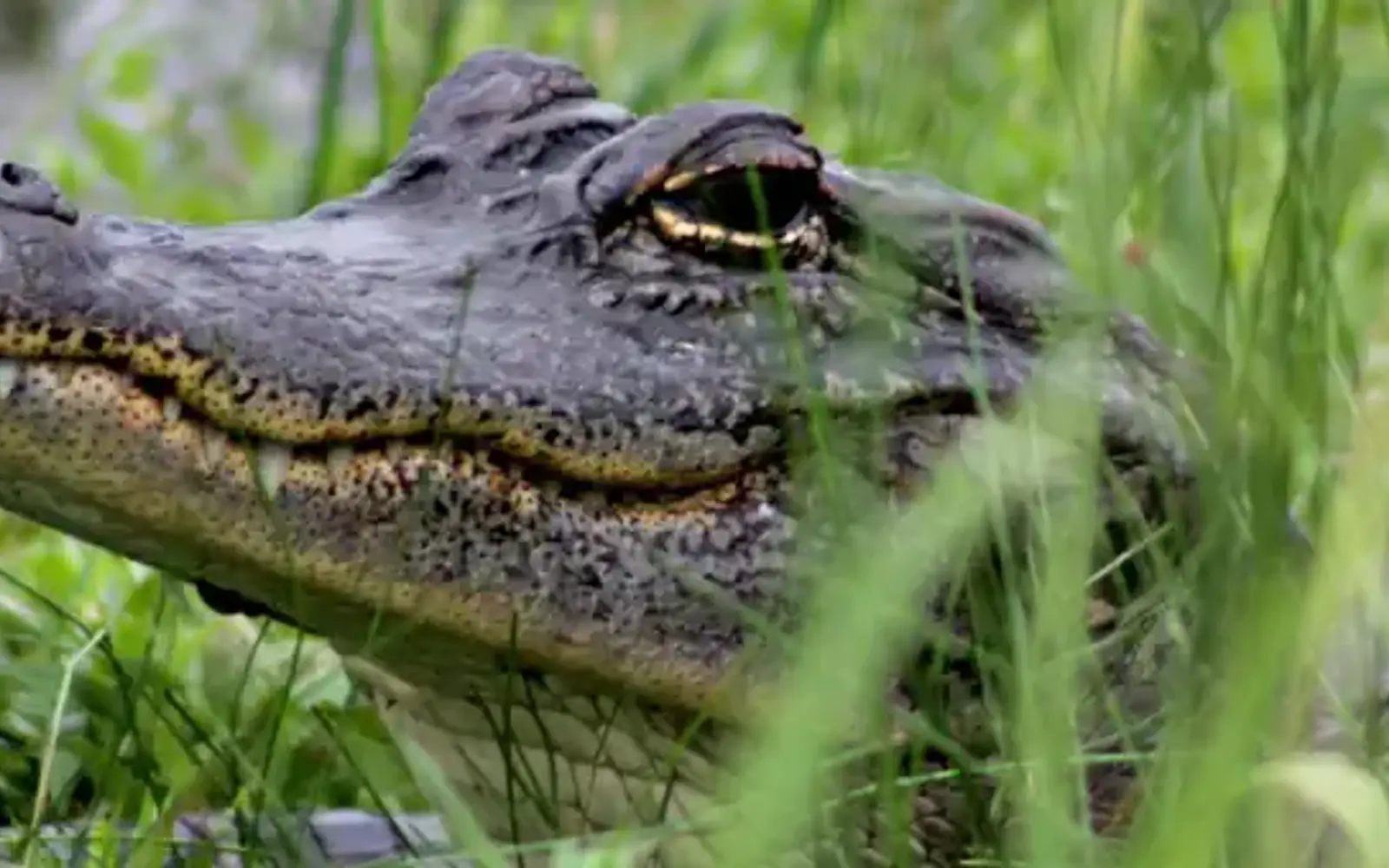
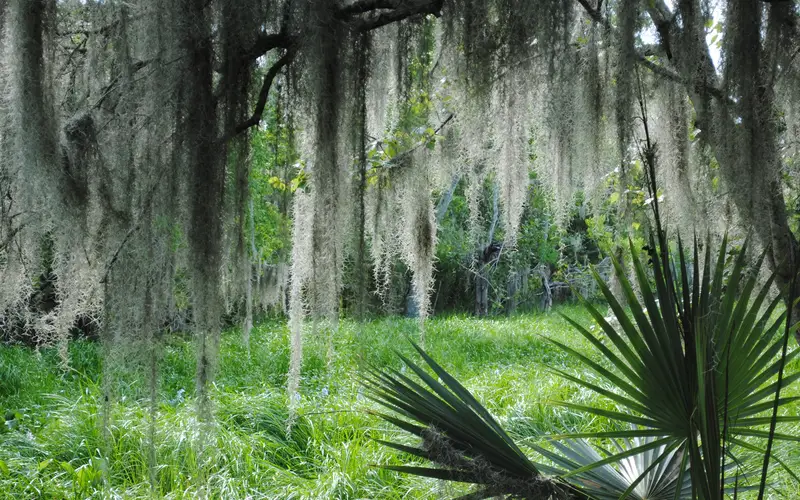
Cameron Prairie National Wildlife Refuge, established in 1988, was the 447th refuge created. It sits where two major flyways meet. The refuge contains fresh marsh, coastal prairie, and former rice fields.
It manages migratory birds, including many species of ducks, geese, and other waterfowl. A conservation priority is the protection of coastal marshes. This provides quality food and habitat for wintering migratory waterfowl, other migratory birds, and native wildlife.
Thousands of ducks and geese spend winters here. These include green-winged teal, mallards, northern pintail, ring-necked ducks, white-fronted, and snow geese. The refuge also has a high diversity and abundance of wading birds. A peak of 15,000 or more wading birds roost on the refuge.
Common nesting and visiting wading birds include white, white-faced, and glossy ibis; green, great blue, tri-colored, and little blue herons; yellow-crowned and black-crowned night herons; American and least bitterns; snowy, great, and cattle egrets; and roseate spoonbills. Shorebirds, gulls, terns, and allied species also use Cameron Prairie as a seasonal home. The killdeer and black-necked stilt are two of the three most widespread birds from this group found on the refuge.
On documented breadth and access, Cameron Prairie National Wildlife Refuge ranks 6th of 6 park and public-land units we score in Louisiana.
Cameron Prairie National Wildlife Refuge: quick answers
Is Cameron Prairie National Wildlife Refuge worth visiting?
Cameron Prairie is a serious birding and waterfowl destination.
Is Cameron Prairie National Wildlife Refuge free to visit?
It is free to get in.
What is Cameron Prairie National Wildlife Refuge best for?
It leans hardest toward water activities, guided tours, going by the 6 activities it actually documents.
How is the Experience Score for Cameron Prairie National Wildlife Refuge calculated?
The 46 comes straight from public data on how much the place documents and how easy it is to reach, things like activities, topics, photos, camping and whether entry is free. It says nothing about scenery or how busy it gets.
Reviewed by Irene A. Taranina, founding editor/Checked against official public data/Published /Updated /Independent, no sponsored rankings
parkverdict is an independent digital publication. Not affiliated with the National Park Service.