Should you visit Blackwater National Wildlife Refuge?
Blackwater National Wildlife Refuge spans over 32,000 acres of tidal marsh, forest, and shallow water on Maryland's Eastern Shore.
It encompasses roughly one-third of Maryland's tidal wetlands. Positioned directly on the Atlantic Flyway, the refuge offers a world-class wildlife spectacle during migration periods. This is not a destination for dramatic hiking vistas. However, for those interested in waterfowl, raptors, paddling, or scenic drives through open marshland, the experience is exceptional on the East Coast. A wildlife drive, established water trails, and free admission make it accessible. The refuge scores a 77 Experience Score, reflecting its breadth of offerings. Its primary focus remains wild birds over open water.
What makes it worth it
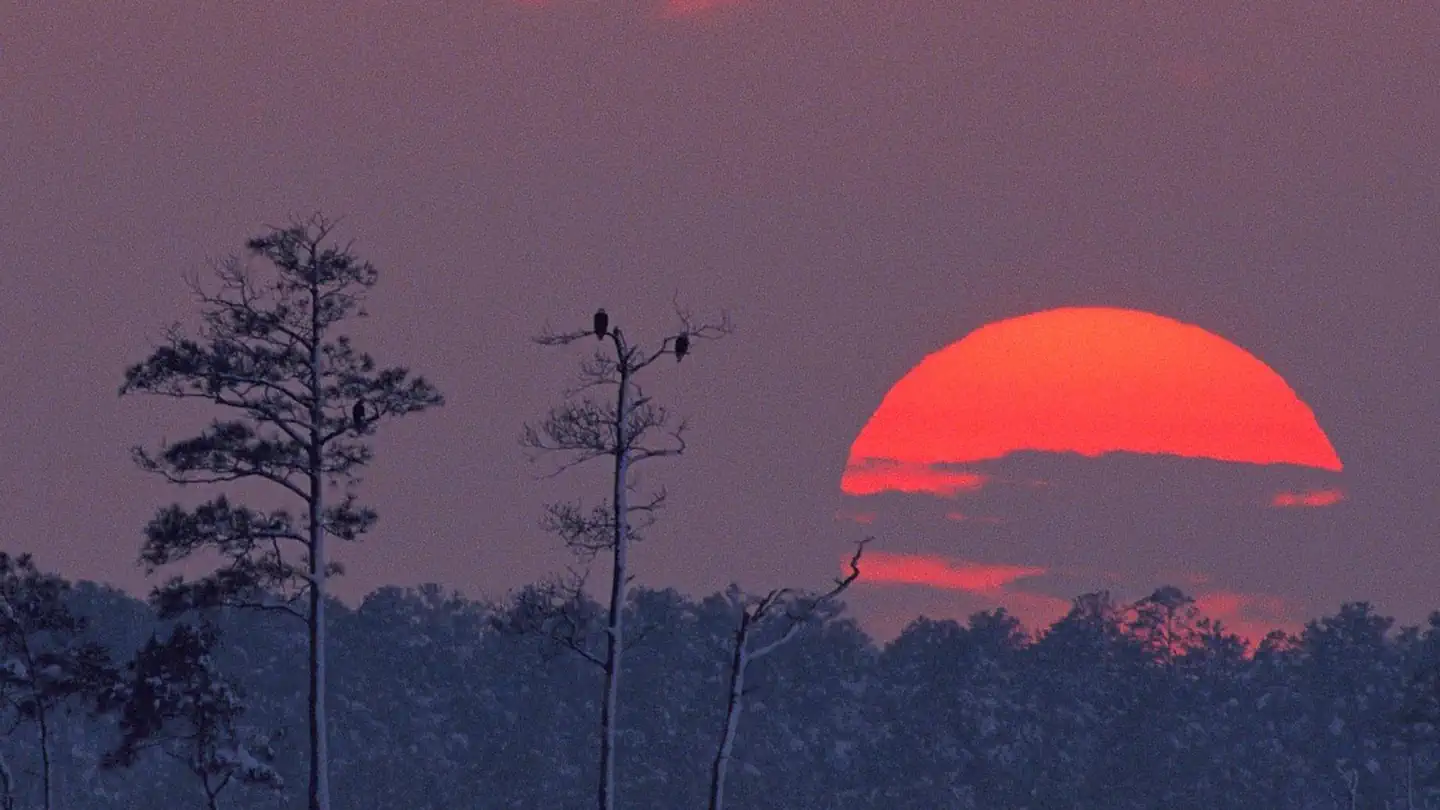
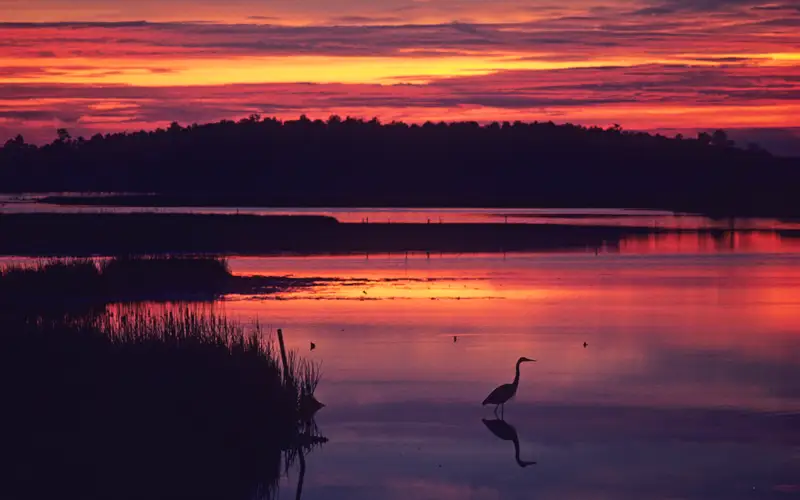
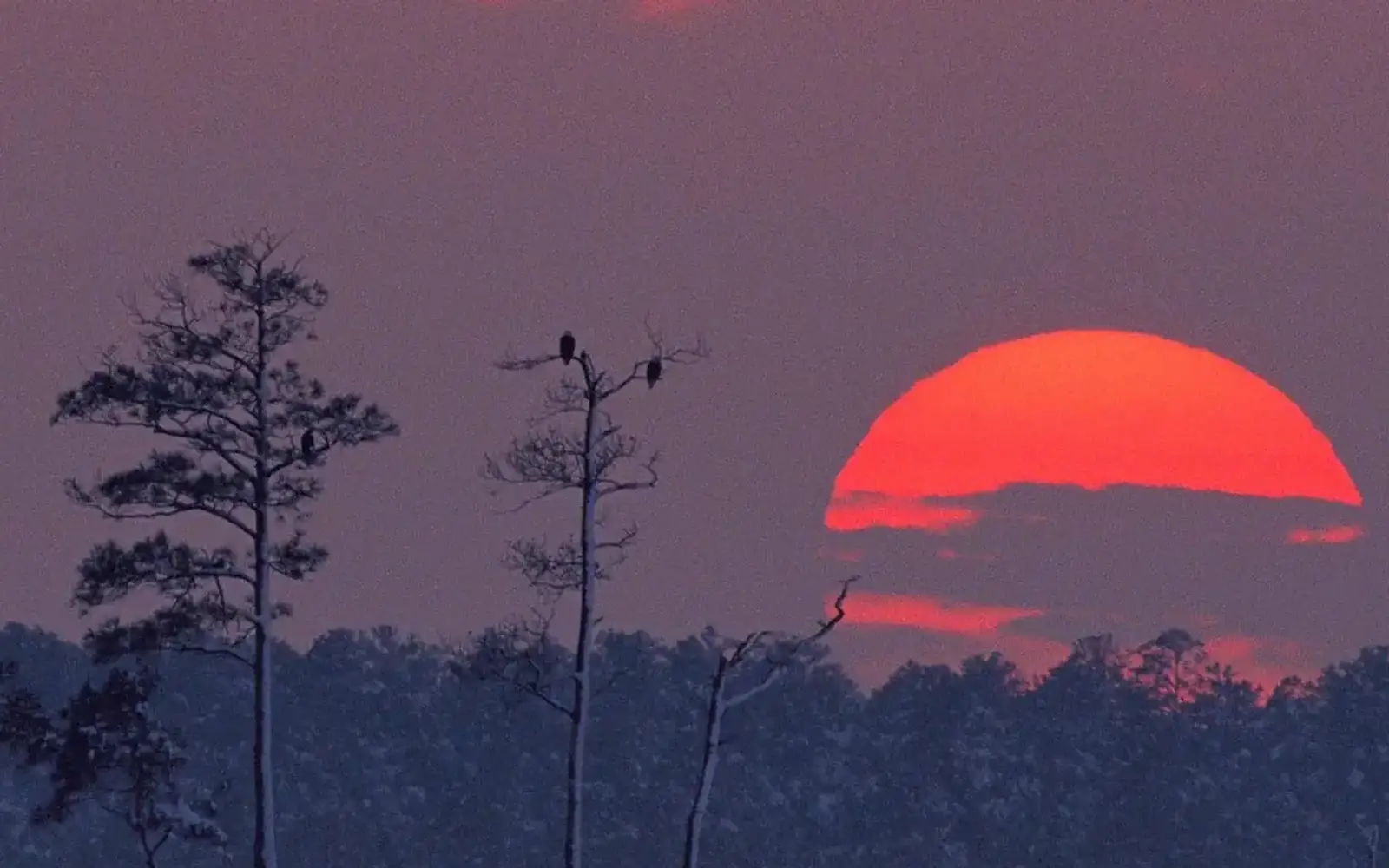
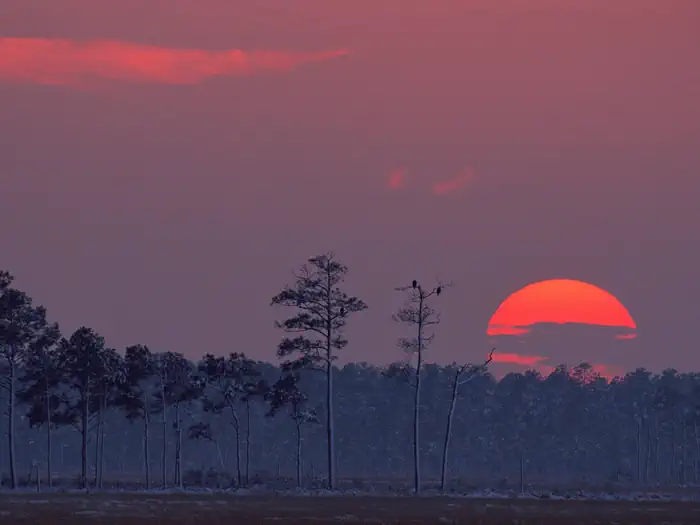
This refuge primarily serves a regional audience, offering a focused experience for specific outdoor pursuits. Its core attraction, the Wildlife Drive, provides a slow auto-touring loop. This route allows consistent viewing of bald eagles, great blue herons, and migrating waterfowl in their marsh habitat. Paddling or non-motorized boating in the tidal creeks offers an alternative vantage. Anglers can utilize the refuge's waters. Birders benefit from dedicated pullouts along the drive. The visitor center provides interpretive context and current species information. Photographers will find excellent low-light marsh opportunities during dawn and dusk. The absence of an entrance fee reduces barriers to access. While specialized, its offerings are distinct and well-suited for those interested in wildlife observation and quiet water recreation.
Who should go
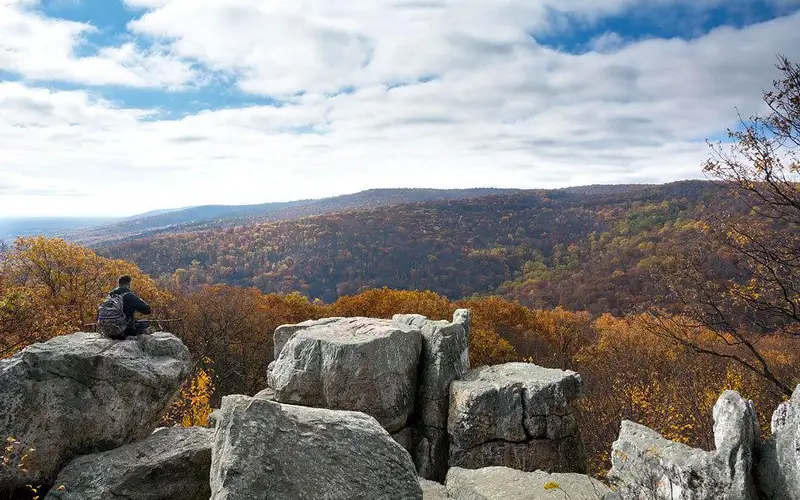
Blackwater provides exceptional opportunities for birders, wildlife photographers, and paddlers. The tidal marsh landscapes are a compelling draw. During fall migration, families with patient children can witness genuinely memorable scenes. However, hikers seeking elevation, dramatic terrain, or extensive trail systems will be disappointed. This refuge is flat and wetland-focused, not a destination for traditional hiking.
When to go
Blackwater's prime season is fall, from October to November, when the Atlantic Flyway brings large concentrations of migratory waterfowl. Winter provides exceptional bald eagle viewing opportunities. Spring sees increased shorebird and wading bird activity. Summer is less active for birdwatching, but it is ideal for paddling and fishing. For wildlife observers, avoiding the marsh's peak summer heat is advisable.
Highlights
- Wildlife Drive auto tour through open tidal marsh with frequent eagle and waterfowl sightings
- Paddling and non-motorized boating through tidal creek systems inside the refuge
- Atlantic Flyway migration spectacle in fall, one of the best accessible sites on the East Coast
- Biking the wildlife drive loop with minimal vehicle competition
- Fishing in refuge waters alongside active marsh habitat
- Visitor center with interpretive programs and seasonal wildlife information
Plan ahead
This refuge offers free admission, a distinct advantage for frequent visits or impromptu day trips from the Baltimore-Washington corridor. Located near Cambridge, Maryland, on the Eastern Shore, it sits approximately two hours from Washington D.C. Visitors should prepare for limited cell service within the marsh interior; downloading maps beforehand is advisable. Consult the refuge website for current seasonal road and water trail access, as tidal flooding frequently alters conditions.
Editor's tipFor exceptional birding and photography, arrive at the Wildlife Drive at or before sunrise. The low morning light over the open marsh is exceptional. Raptors are most active in the first hour after dawn. Midday thermals push them higher and farther from the road.