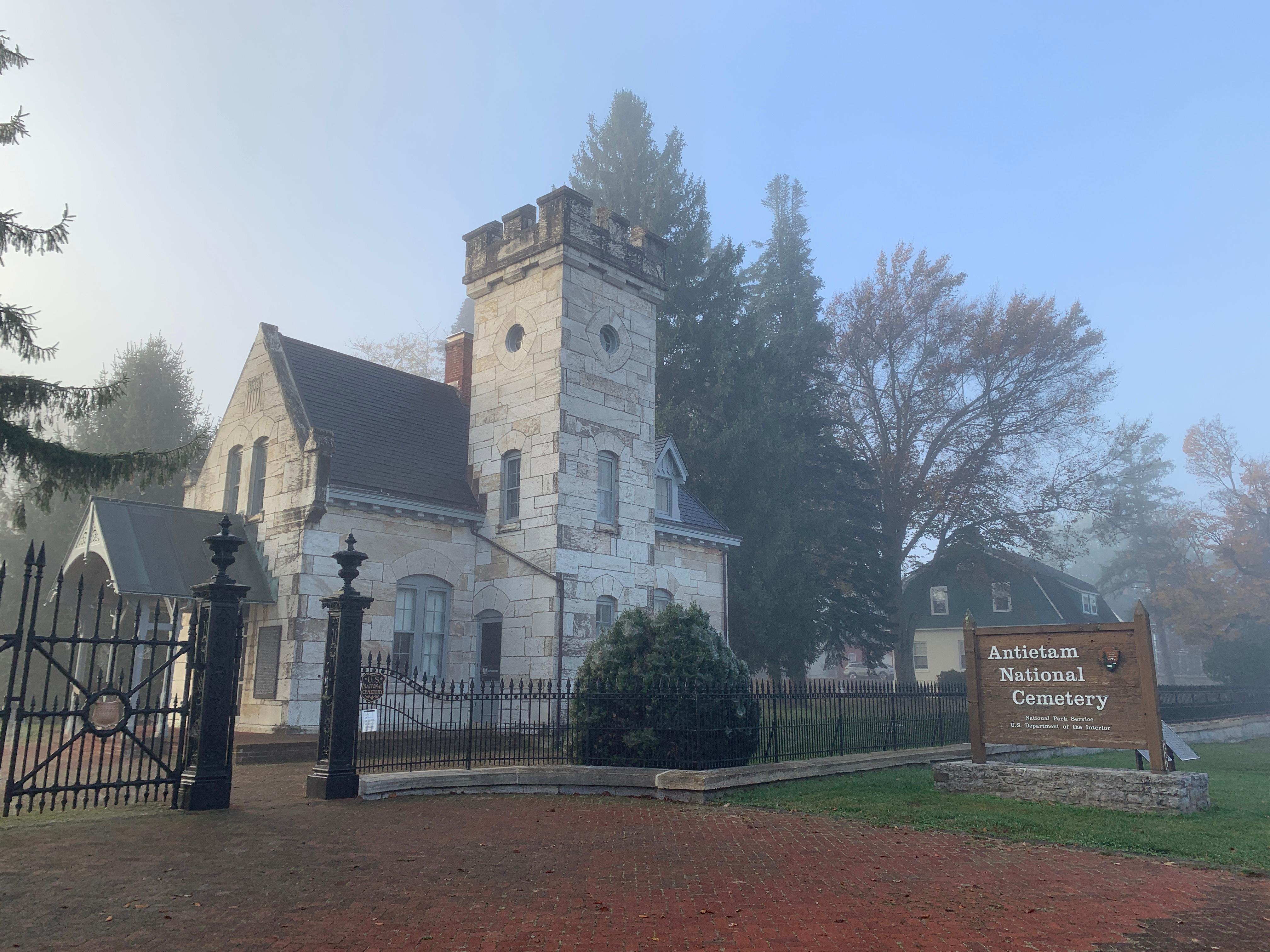
Antietam National Battlefield: our verdict
Antietam National Battlefield commemorates the bloodiest single-day battle in American history.
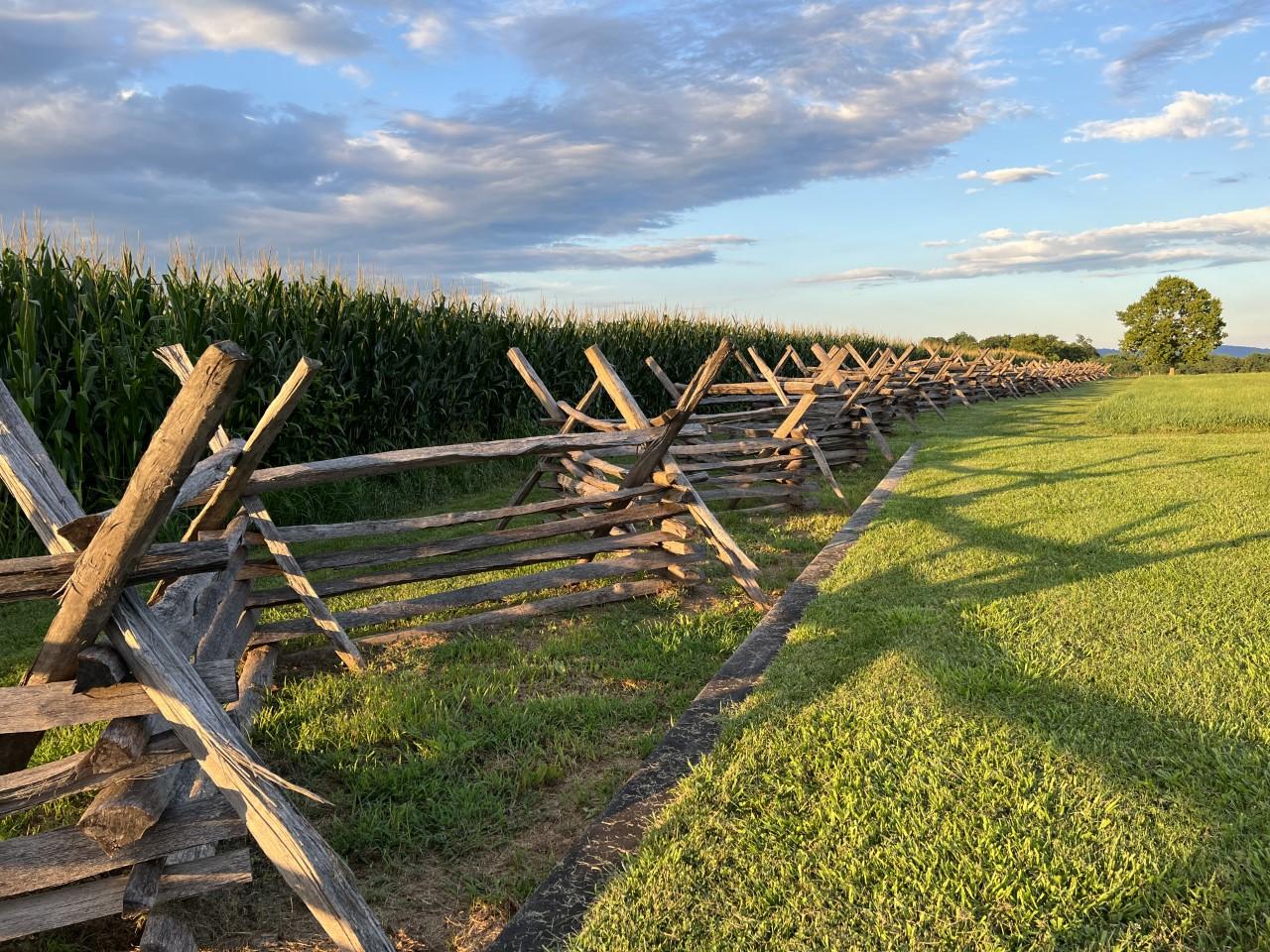
On September 17, 1862, roughly 23,000 soldiers became casualties here. The park's design makes the weight of that number palpable, particularly when one stands in Cornfield Avenue or overlooks Bloody Lane. With a 93 experience score, this battlefield offers substantial engagement beyond a niche interest. Entrance is free. A well-developed auto tour route provides accessibility. Walking trails allow for deeper exploration. Living history programs further enhance understanding. Legitimate camping is available. The preserved farmland creates a quiet, unhurried atmosphere, which sharply contrasts with the historical events. This contrast is genuinely affecting. For history-minded travelers near Washington D.C. or Baltimore, Antietam stands as one of the most substantive battlefield parks in the entire National Park Service system. It rewards serious engagement with American history.
Why visit
This park caters to history enthusiasts, offering a deep dive into a pivotal battle. A visit should begin at the visitor center, where the park film and museum exhibits establish essential context. The self-guided auto tour then allows exploration of the battle's key terrain. Stop and walk the ground at Sunken Road, historically known as Bloody Lane, where the landscape vividly illustrates the tactical brutality of the fighting. Beyond the historical focus, road biking is supported along the tour route. The preserved farmland provides opportunities for birdwatching and wildlife viewing. Scheduled living history and historic weapons demonstrations enhance the experience. Group camping makes overnight stays feasible. Families with children will find the Junior Ranger program a valuable structured activity. For those seeking additional detail, ranger-led tours connect the battle to Lincoln's Emancipation Proclamation. This unit is purpose-built for those who appreciate historical interpretation and battlefield immersion; casual sightseers may find its offerings too narrow.
Who it suits
This unit delivers a deeply rewarding experience for history travelers, Civil War enthusiasts, and families with older children. Road bikers will also find it compelling. It offers a serious, unhurried outdoor experience rooted in American history. However, those seeking dramatic scenery, extensive backcountry hiking, or broad recreational variety should look elsewhere. This park demands attention from its visitors.
Timing your visit
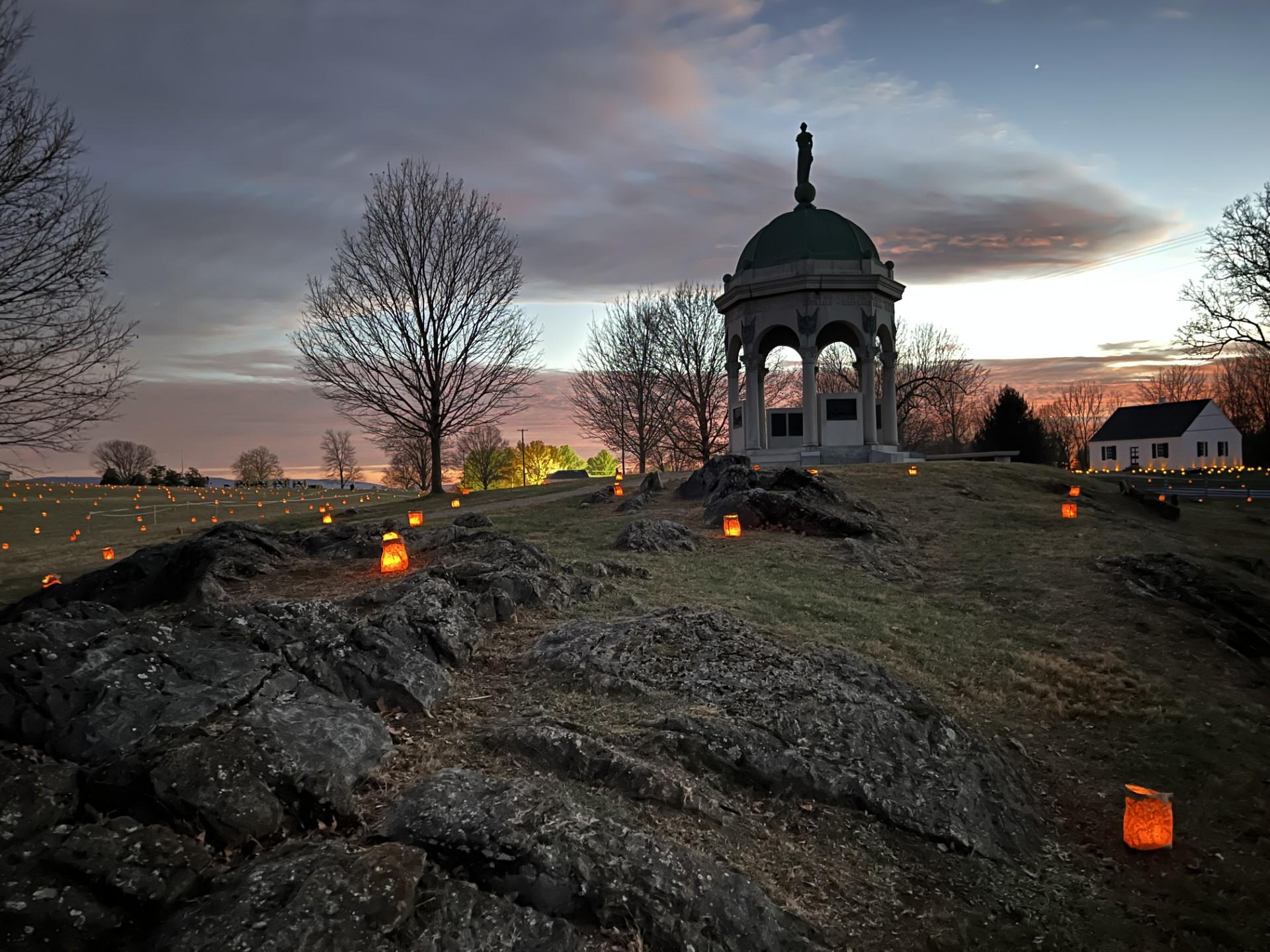
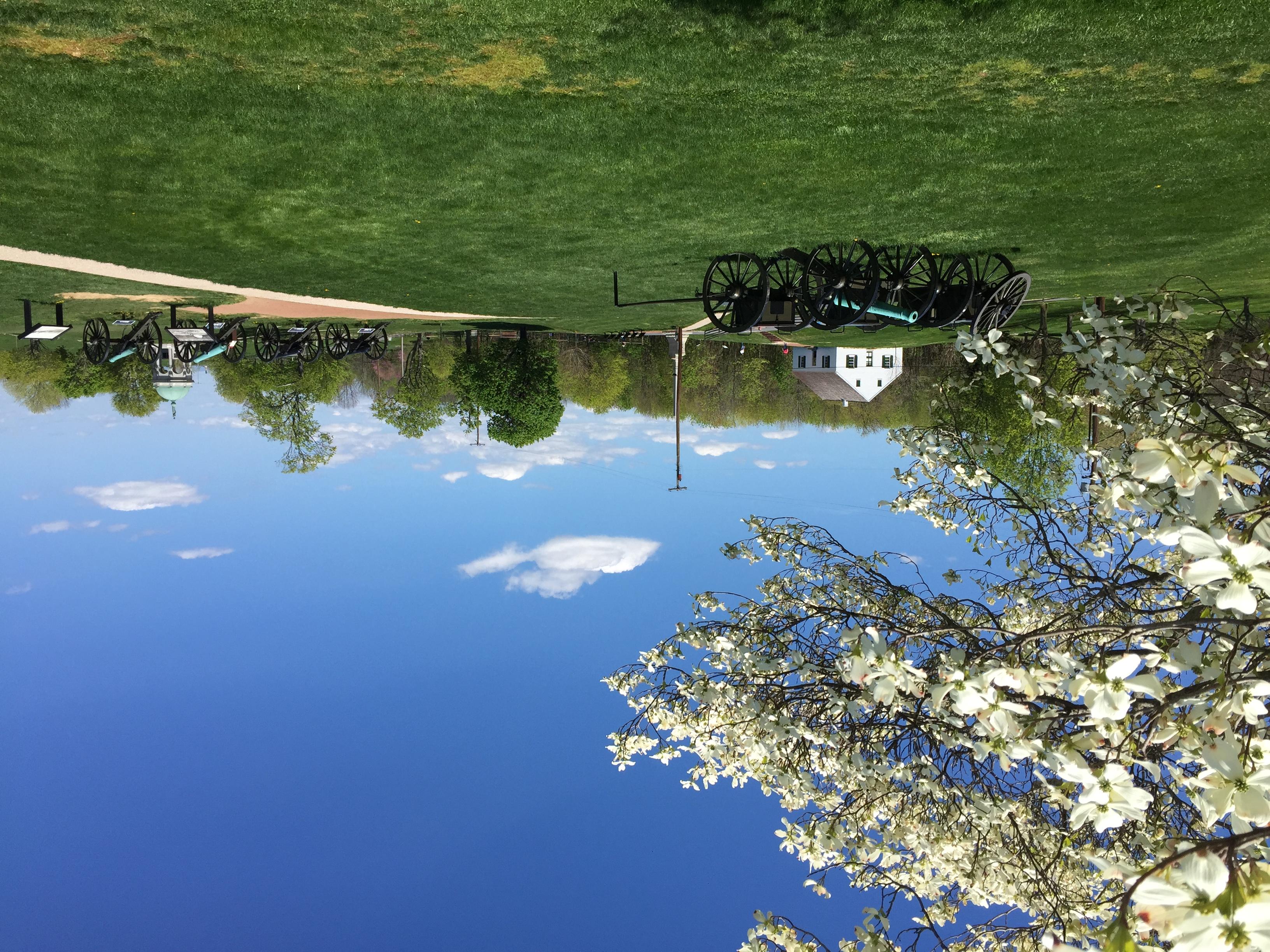
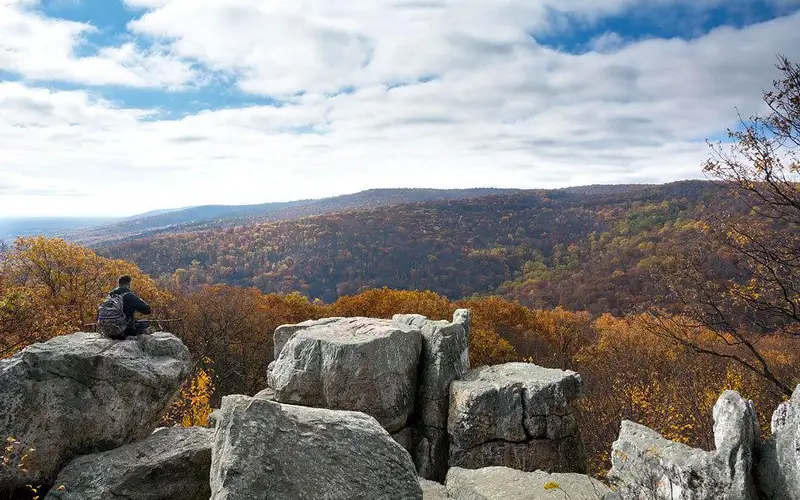
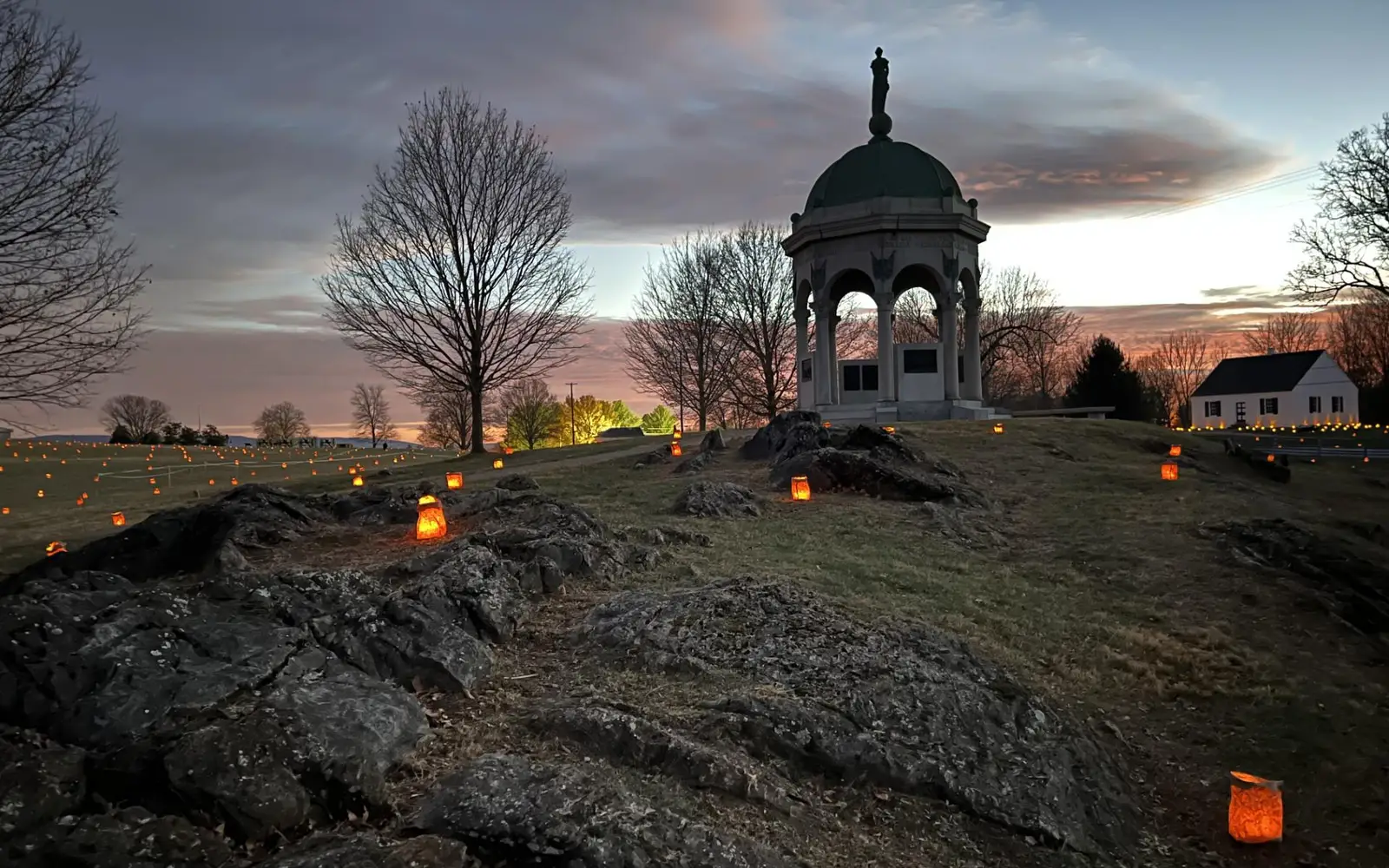
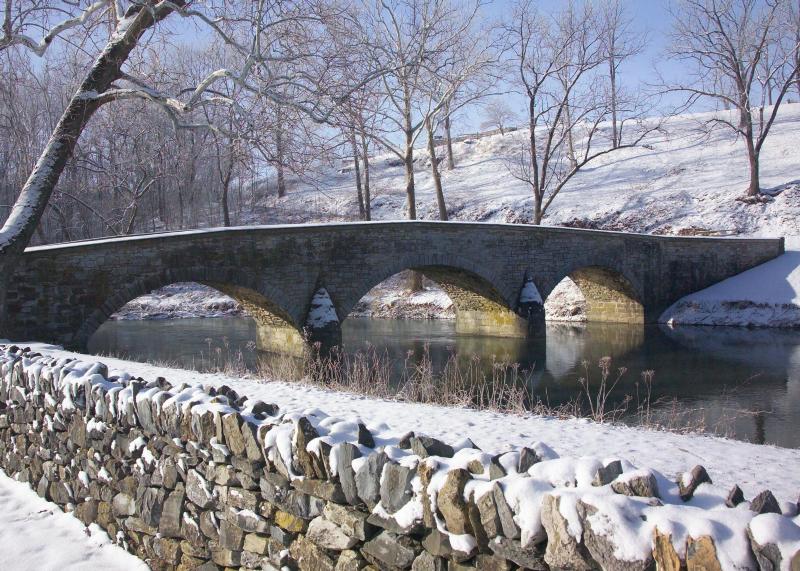
The strongest seasons are fall and spring. Fall provides cooler temperatures, lower humidity, and foliage that highlights the preserved farmland. Spring delivers mild weather and widespread wildflowers. Summer visits face heat and humidity, which can make extended walking challenging. Winter is quiet and cold, with reduced programming; however, the bare landscape offers a stark clarity some visitors appreciate.
What stands out
- Standing in Sunken Road (Bloody Lane) where the preserved terrain makes the tactical catastrophe viscerally understandable
- Self-guided auto tour threading the full battlefield with interpretive stops at key engagement sites
- Living history events and historic weapons demonstrations that bring the 1862 context to life
- Road biking the tour route through preserved 19th-century Maryland farmland
- Ranger-guided tours tying the battle directly to Lincoln's preliminary Emancipation Proclamation
- Birdwatching and wildlife watching across the open farmland and creek corridors within the park
Good to know
Free admission certainly streamlines access, eliminating a common barrier. While the grounds and auto tour road close precisely 20 minutes after sunset, necessitating careful planning for daytime visits, the presence of on-site camping, including group sites, readily facilitates extended stays. For those prioritizing living history demonstrations, consulting the NPS calendar for scheduled dates is essential; these are not daily occurrences.
Insider tipFor those seeking a profound, solitary historical experience, this park delivers. Weekday visits during spring or fall offer the best opportunity to absorb its solemnity. An auto tour in the morning, followed by an afternoon spent walking Sunken Road, provides an unhurried engagement. The battlefield rewards quiet contemplation. Rush through it at your peril.