parkverdict
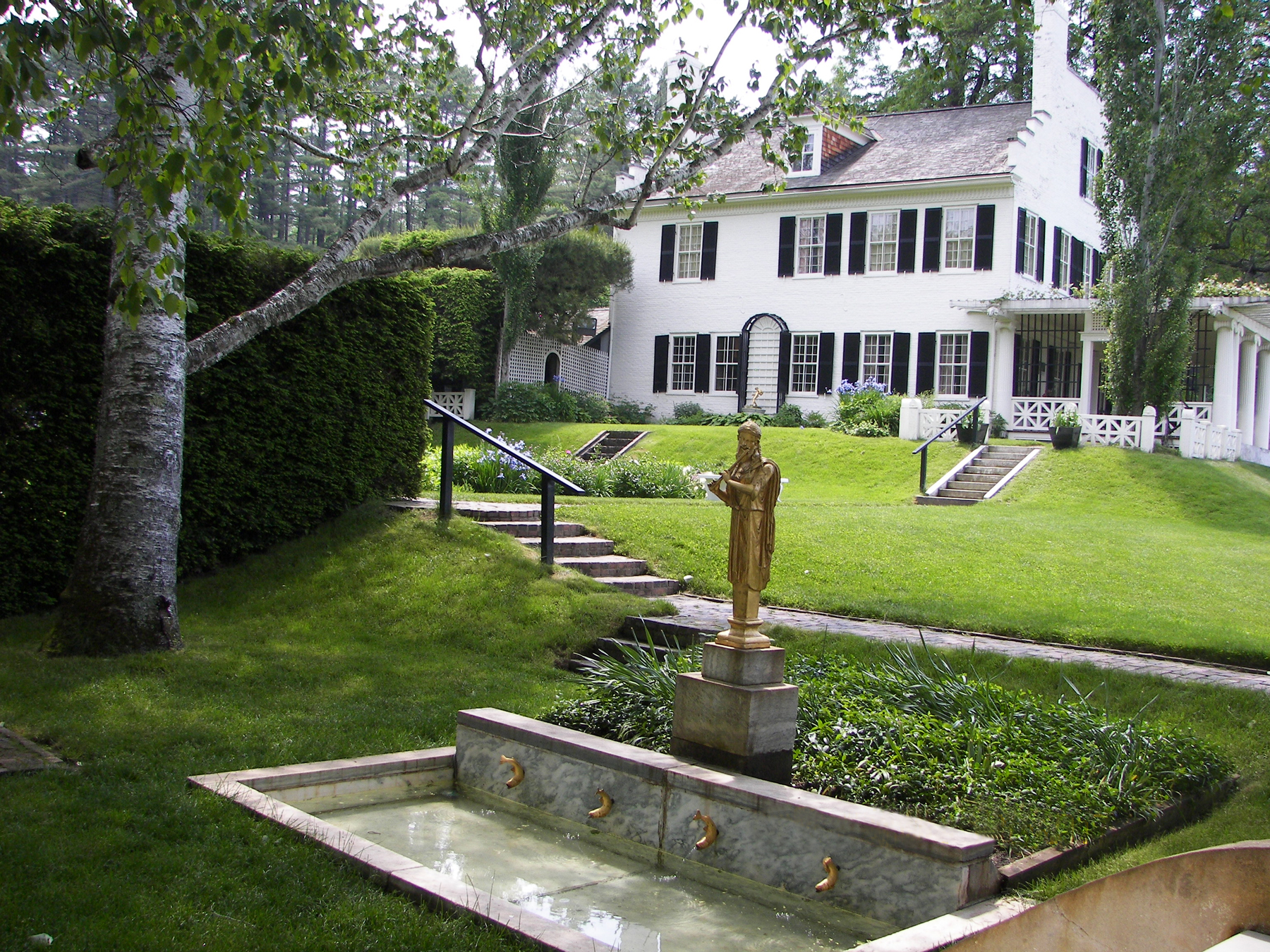
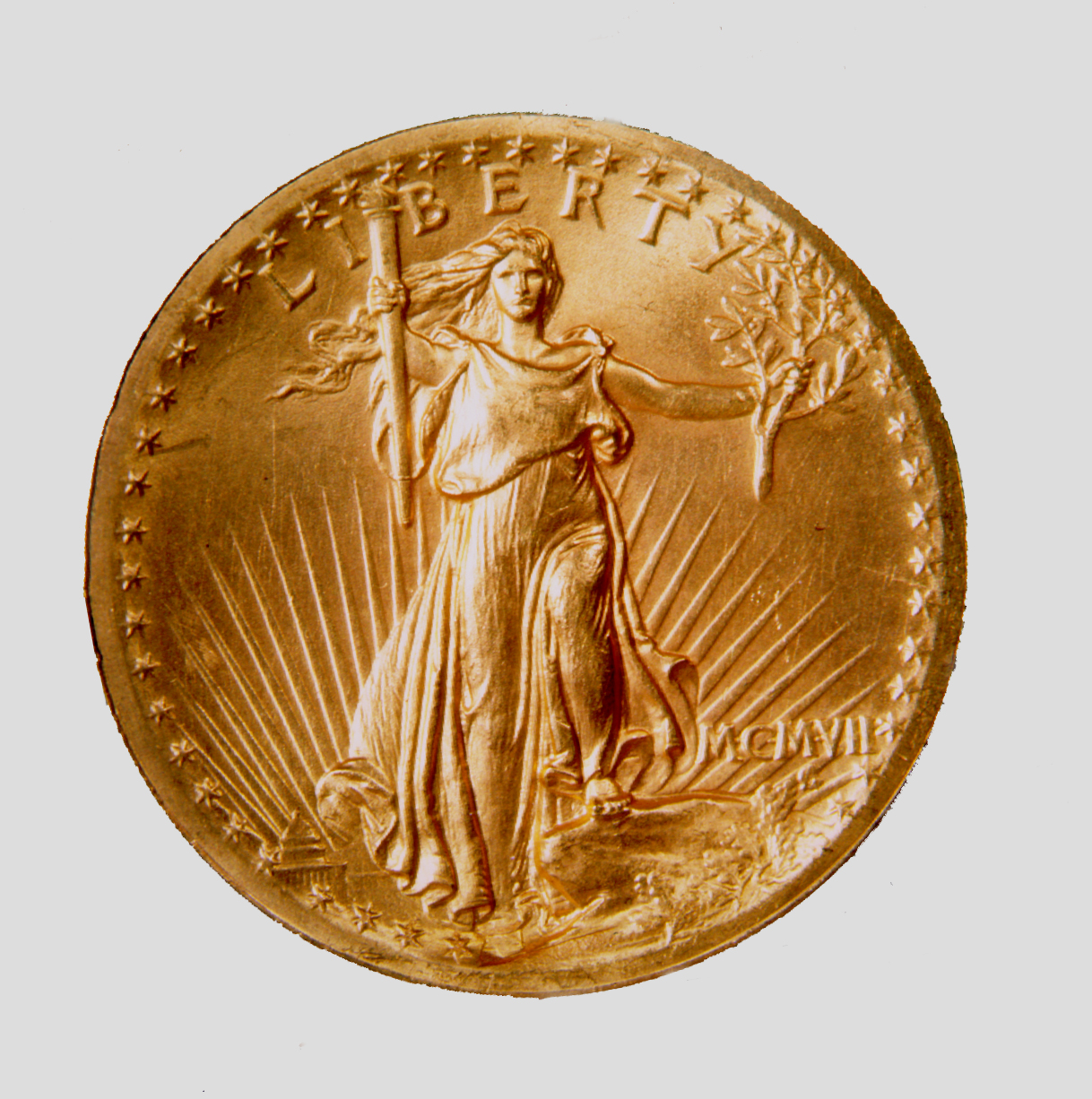
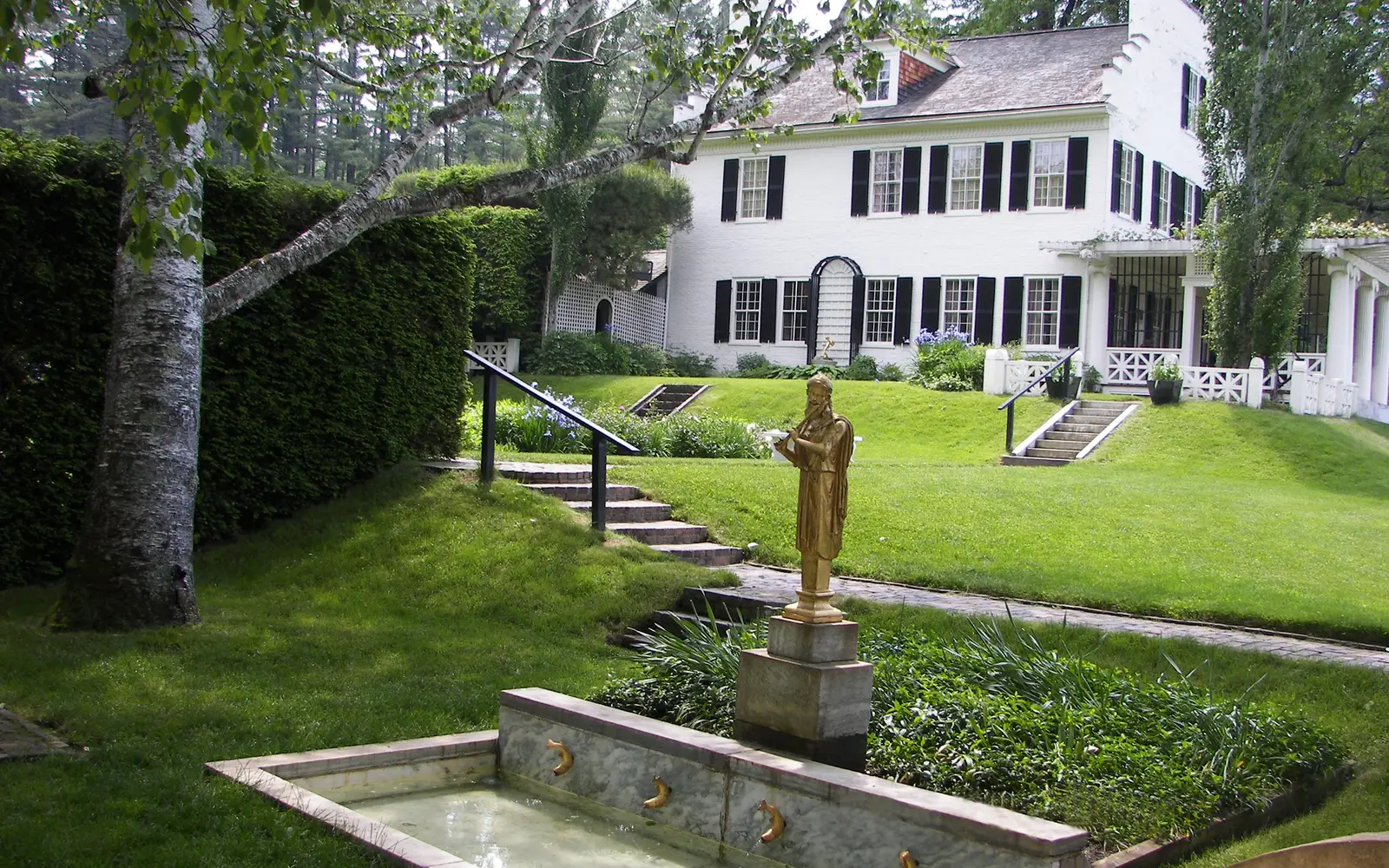
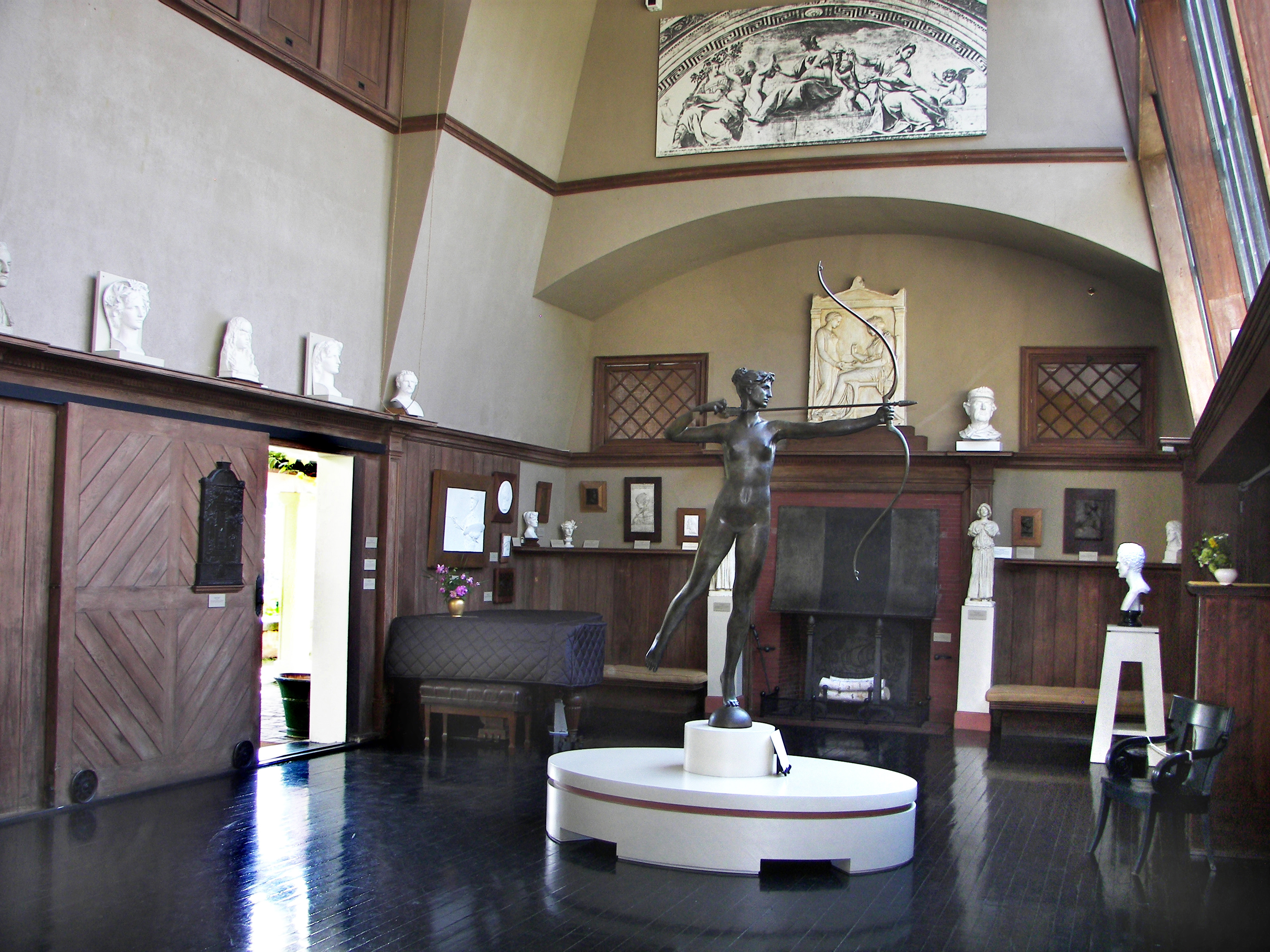
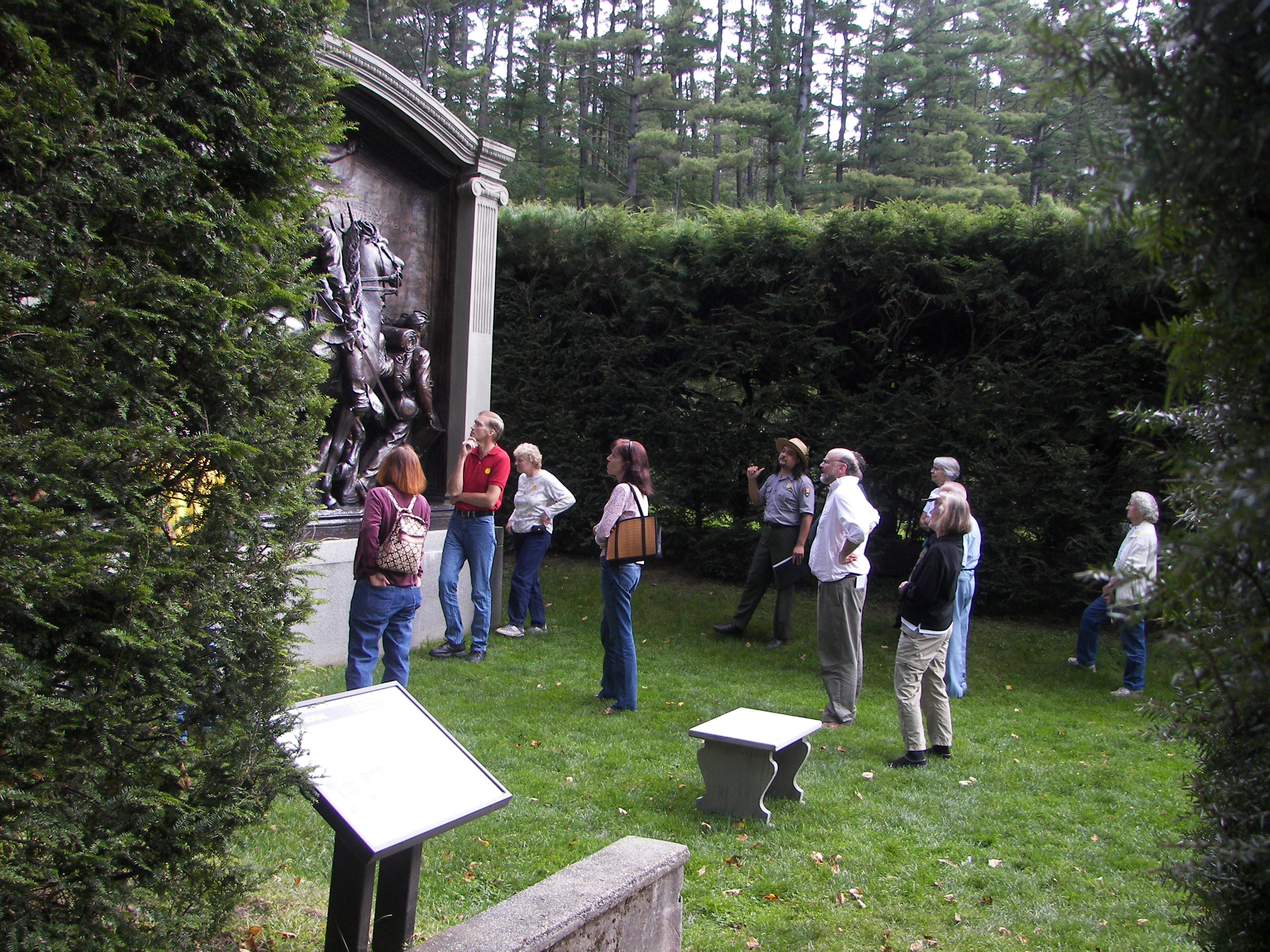
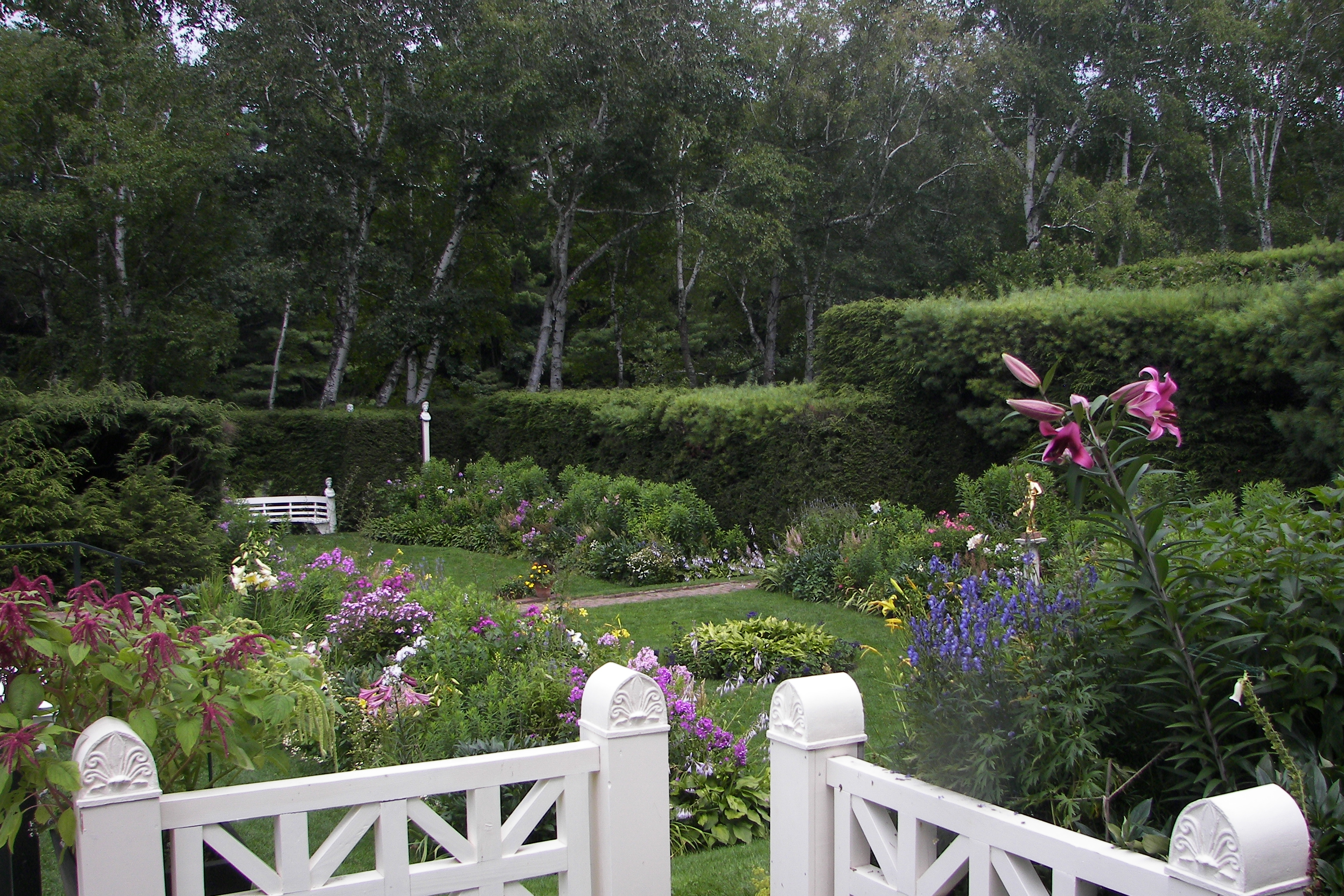
Looking toward Aspet from the Pan GardenInterior of the Little Studio, Sculpture of Diana in foregroundVisitors looking at the Shaw MemorialView of the Formal Gardens
National Historical ParkNH

Saint-Gaudens National Historical Park

NPS / NPS Photo
78/ 100WIDE RANGE
parkverdict Experience ScoreIndependent, not sponsored

78 of 100. Our independent breadth-and-access index. How we score

The bottom line

Saint-Gaudens National Historical Park: our verdict

Saint-Gaudens National Historical Park in Cornish, New Hampshire occupies a genuinely odd niche among NPS units: part sculpture garden, part historic house museum, part working arts campus.

It preserves the home, studios, and grounds of Augustus Saint-Gaudens, one of the most significant American sculptors of the Gilded Age, and the site still runs creative programming tied to the Cornish Colony he helped anchor. At $10 entry, you get a fair amount for the money. Bronze casts of Saint-Gaudens's most celebrated works are placed throughout well-kept, quietly contemplative grounds. The trail system is modest and nobody should come here looking for wilderness, but the mix of art, history, live programming, and a surprisingly strong winter season adds up to more than a quick stop would suggest. History lovers, art enthusiasts, and families with curious kids can fill a half-day here without much effort.

Why visit

Start with the guided tour of the historic studios and residence. It puts Saint-Gaudens's working life in real context and makes clear how he fit into the broader Cornish Colony circle. Then give yourself time on the grounds. The bronze sculptures are set among garden spaces, and they reward a slow, close look rather than a quick pass. Summer and fall bring live music, craft and cultural demonstrations, theater, and hands-on arts sessions, so the park feels more like an active cultural venue than a quiet museum. Winter opens up a different set of reasons to visit: cross-country skiing, snowshoeing, snow play, and stargazing and astronomy programming that very few NPS sites bother to put together. Families with kids can lean on the Junior Ranger program and citizen science activities when they want something more structured than wandering through a gallery.

Who it suits

History buffs, art lovers, and families wanting some cultural grounding in the upper Connecticut River valley will get the most out of a visit here. It slots comfortably into a wider New Hampshire or Vermont itinerary. Winter travelers looking for a quiet Nordic outing will find exactly that. If you are chasing dramatic scenery or long backcountry trails, though, this probably is not your stop.

Timing your visit

Late June through early October is the sweet spot: buildings open Thursday through Monday, programs running, and summer temperatures in the 70s to low 80s keeping the grounds comfortable. Fall has its own appeal, with cooler evenings and foliage filling in around the sculpture garden. The visitor center and historic buildings close after October 31, so a winter visit means grounds only, though the open land works well for skiing and snowshoeing.

What stands out

  • Guided tours of Saint-Gaudens's historic studios and residence, connecting the man to his most celebrated bronze works
  • Sculpture garden with cast reproductions of major commissions placed across the landscaped grounds
  • Summer and fall live music, theater, and craft demonstration programming continuing the Cornish Colony tradition
  • Hands-on arts and crafts sessions and Junior Ranger program for younger visitors
  • Winter cross-country skiing, snowshoeing, and stargazing programming on the open grounds
  • Birdwatching and wildlife watching along the front-country trail network

Good to know

Admission is $10. The historic buildings and visitor center are open Thursday through Monday, from Memorial Day weekend through October 31. Outside those dates, the grounds are open during daylight hours year-round. Parking is on-site. If you have a specific program in mind, like live music or a demonstration, check the NPS calendar before you go.

Insider tipSummer Sundays can mean live music or demonstrations, so it's worth checking the schedule before you head over - the whole feeling of the place changes when a crowd shows up. If you want the sculpture garden to yourself, get there right at opening on a weekday morning. The bronze pieces look completely different when no one else is moving through them.

How we scored it

Behind the 78

The number is not a mood. It is a few things we can actually check in public records, added up and capped so no single one runs away with the total. It tracks how much a place has going on and how easy it is to reach, and nothing about scenery or crowds. Here is what added up to 78:

  • Activity breadth27 documented activities
  • Topic breadth35 topics
  • Official imagery5 public-domain images
  • Camping on sitenone recorded
  • Entry cost$10

No number is hand-adjusted and no unit pays for placement. The full weights, the floor at 18 and a worked example are on how we score.

The honest limits

Where the score goes quiet

One limit to keep in mind. Everything here comes from public records on what a unit documents and how reachable it is, so the score cannot judge beauty, crowds, trail conditions, weather, or how good any single program is. That is exactly why a small, specific place can score below a sprawling park and still be your better trip. Take the number as a like-for-like look at what is on paper, and lean on the verdict for the human read.

Things to do

What it offers

Arts and CultureCraft DemonstrationsCultural DemonstrationsLive MusicTheaterAstronomyStargazingFoodPicnickingGuided ToursHands-OnCitizen ScienceArts and CraftsHikingFront-Country HikingJunior Ranger ProgramSkiingCross-Country Skiing
Overview

About Saint-Gaudens National Historical Park

Augustus Saint-Gaudens (1848-1907) lived and worked on these grounds, and what remains is what he left behind: his home, his studio, and the bronze sculptures he produced here. The surrounding landscape was part of his practice, not merely a backdrop to it. Other artists drawn to him gradually formed the Cornish Colony, and that tradition still shapes how the park and its partners care for the place today.

On documented breadth and access, Saint-Gaudens National Historical Park ranks 2nd of 2 park and public-land units we score in New Hampshire.

Climate note

The upper Connecticut River valley sits in a temperate climate zone. Summer days can get hot and humid, though average temperatures tend to run through the 70s and into the lower 80s. Fall days usually settle in the upper 60s, with evenings dropping to the upper 40s and lower 50s. Winters are cold, daily temperatures mostly sitting in the 20s, with occasional dips below zero.

Common questions

Saint-Gaudens National Historical Park: quick answers

Is Saint-Gaudens National Historical Park worth visiting?

Saint-Gaudens National Historical Park in Cornish, New Hampshire occupies a genuinely odd niche among NPS units: part sculpture garden, part historic house museum, part working arts campus.

Is Saint-Gaudens National Historical Park free to visit?

Not free. Getting in runs about $10.

What is Saint-Gaudens National Historical Park best for?

It leans hardest toward stargazing, hiking, good with kids, wildlife watching, going by the 27 activities it actually documents.

When is the best time to visit Saint-Gaudens National Historical Park?

Late June through early October is the sweet spot: buildings open Thursday through Monday, programs running, and summer temperatures in the 70s to low 80s keeping the grounds comfortable.

How is the Experience Score for Saint-Gaudens National Historical Park calculated?

The 78 comes straight from public data on how much the place documents and how easy it is to reach, things like activities, topics, photos, camping and whether entry is free. It says nothing about scenery or how busy it gets.