Is National Park of American Samoa worth it?
American Samoa represents a singular entry in the National Park Service.
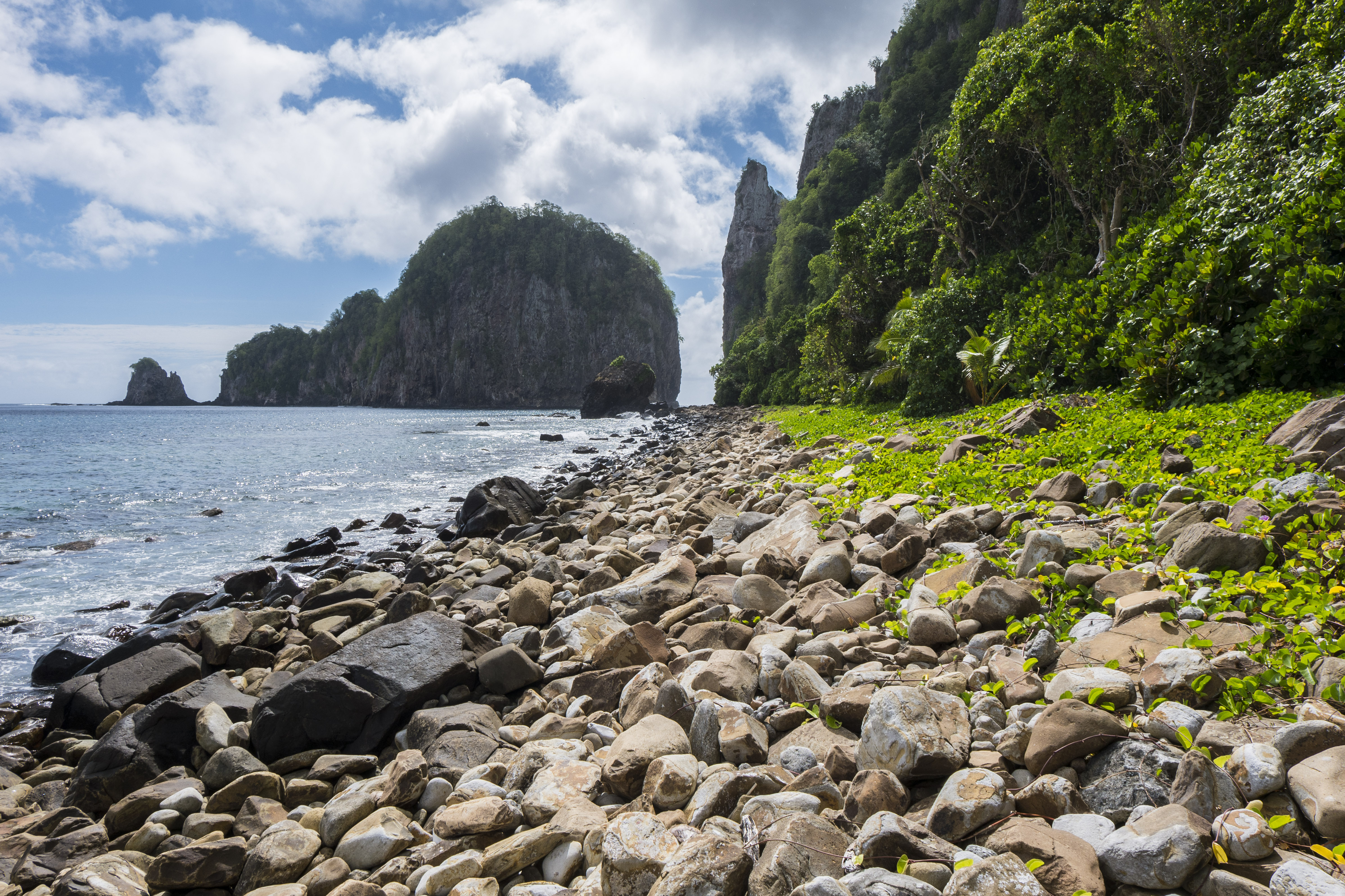
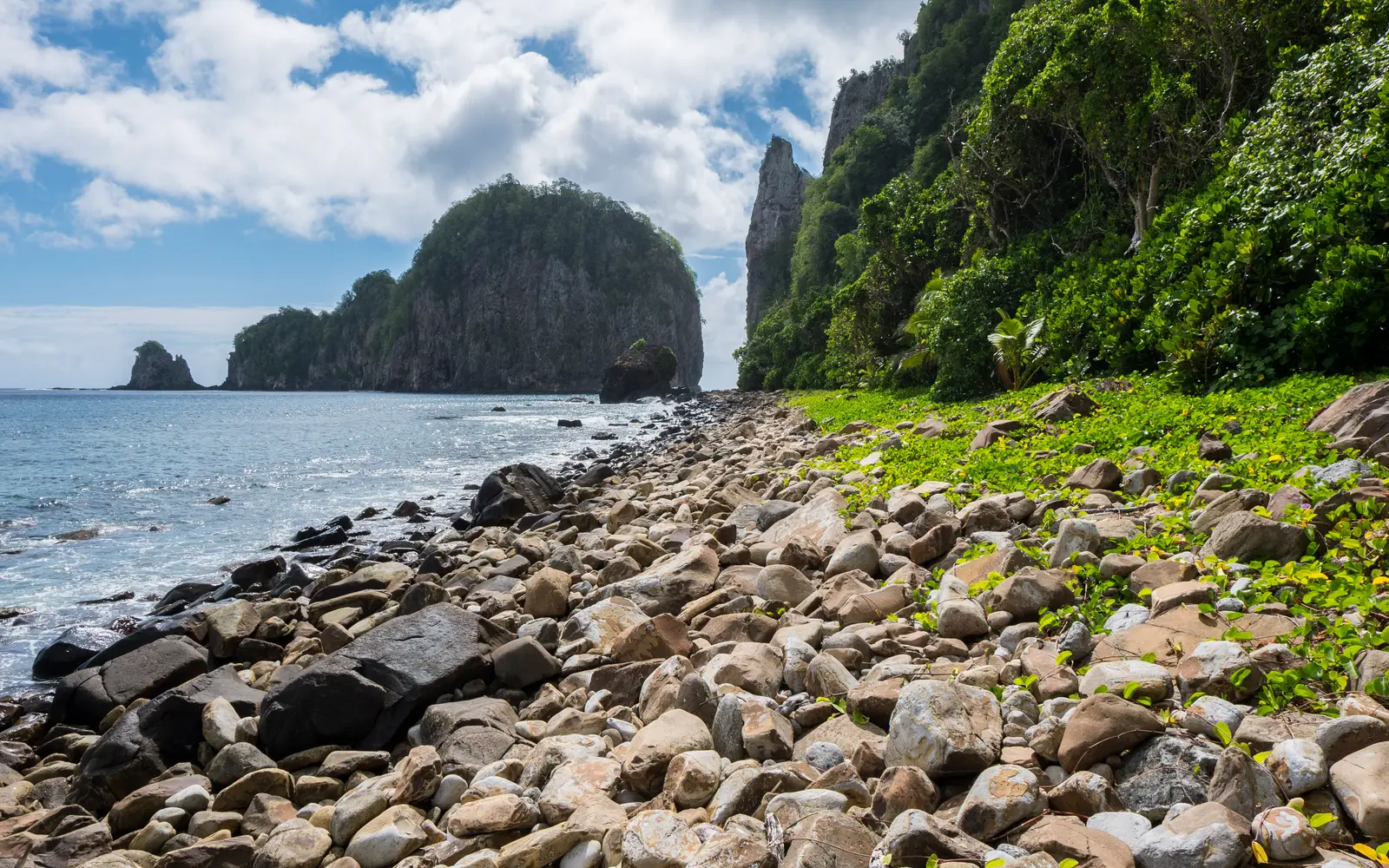
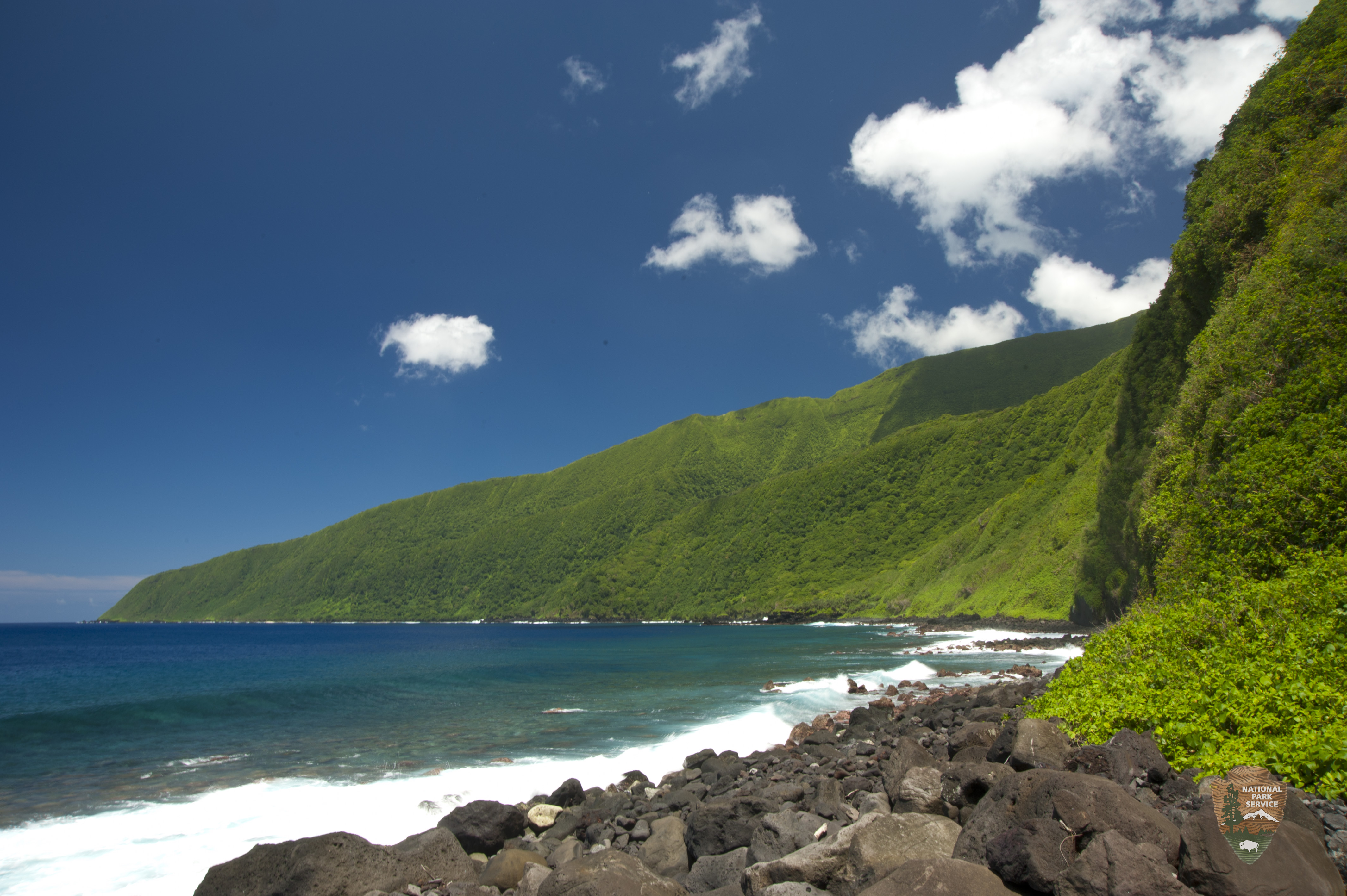
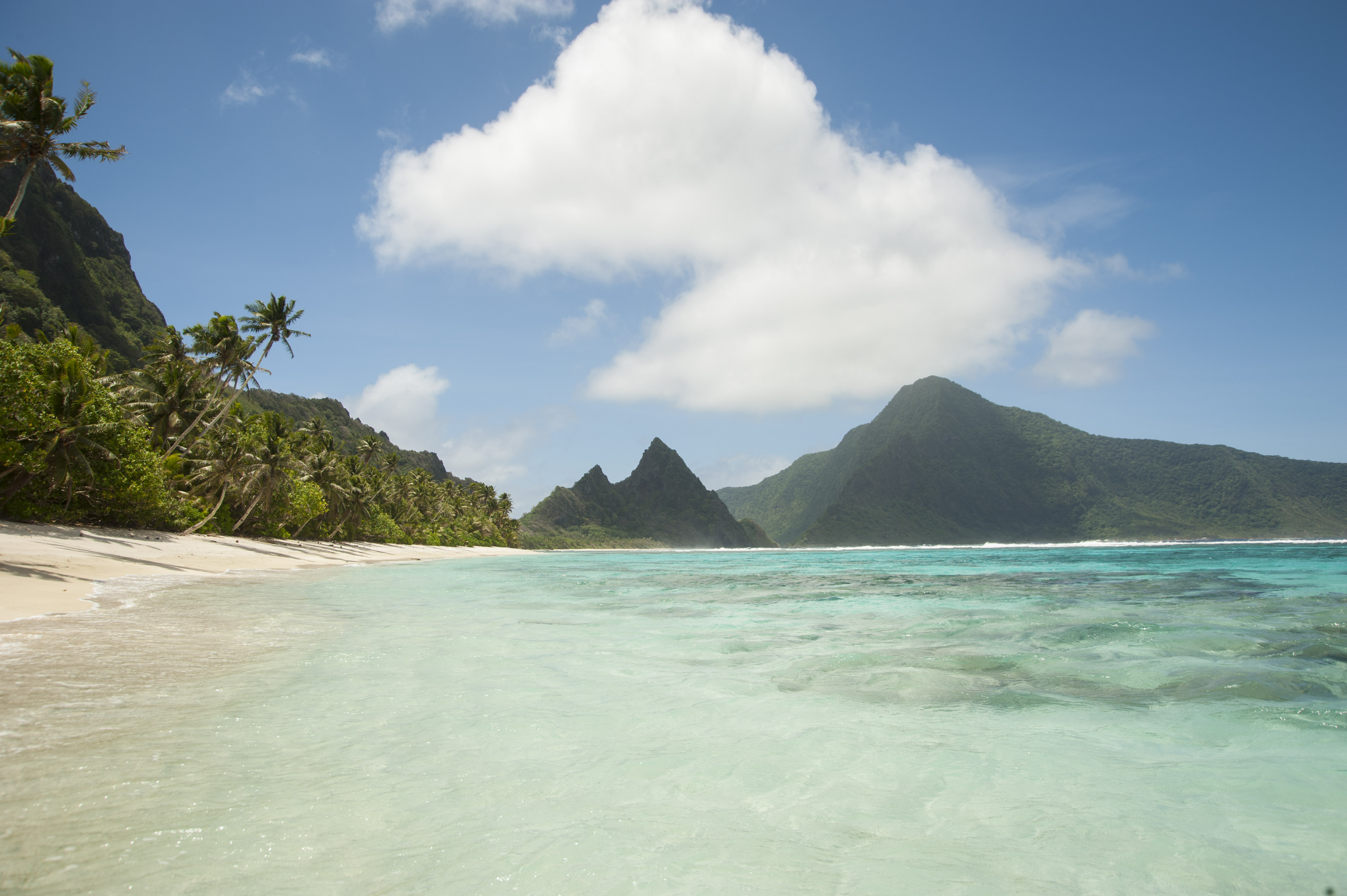
Located 2,600 miles southwest of Hawaii, its remoteness defines access. A long-haul flight to Pago Pago is mandatory. The rewards for this journey are significant. This park offers intact tropical rainforests for hiking. It provides some of the most accessible coral reef snorkeling and diving in the park system. A living fa'a Samoa cultural experience is genuinely integrated, not merely presented. The park spans multiple islands. Its 85 experience score reflects breadth across water, land, culture, and wildlife. For those willing to travel, this is a world-class destination. It is an experience for serious travelers.
The case for it
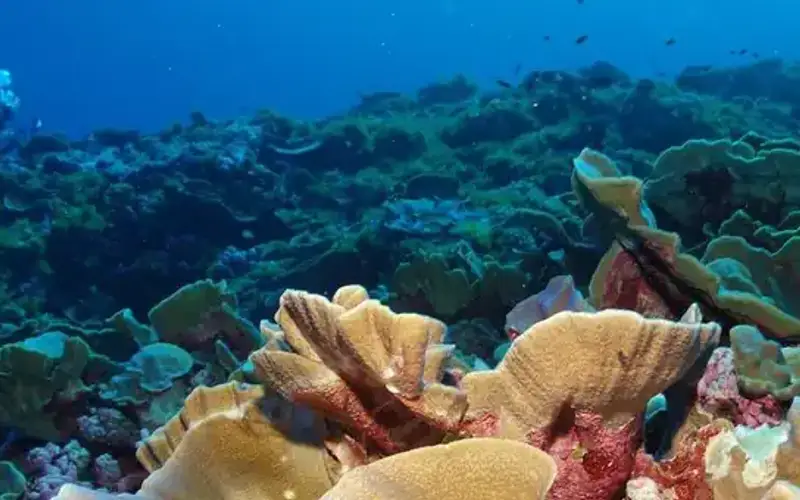
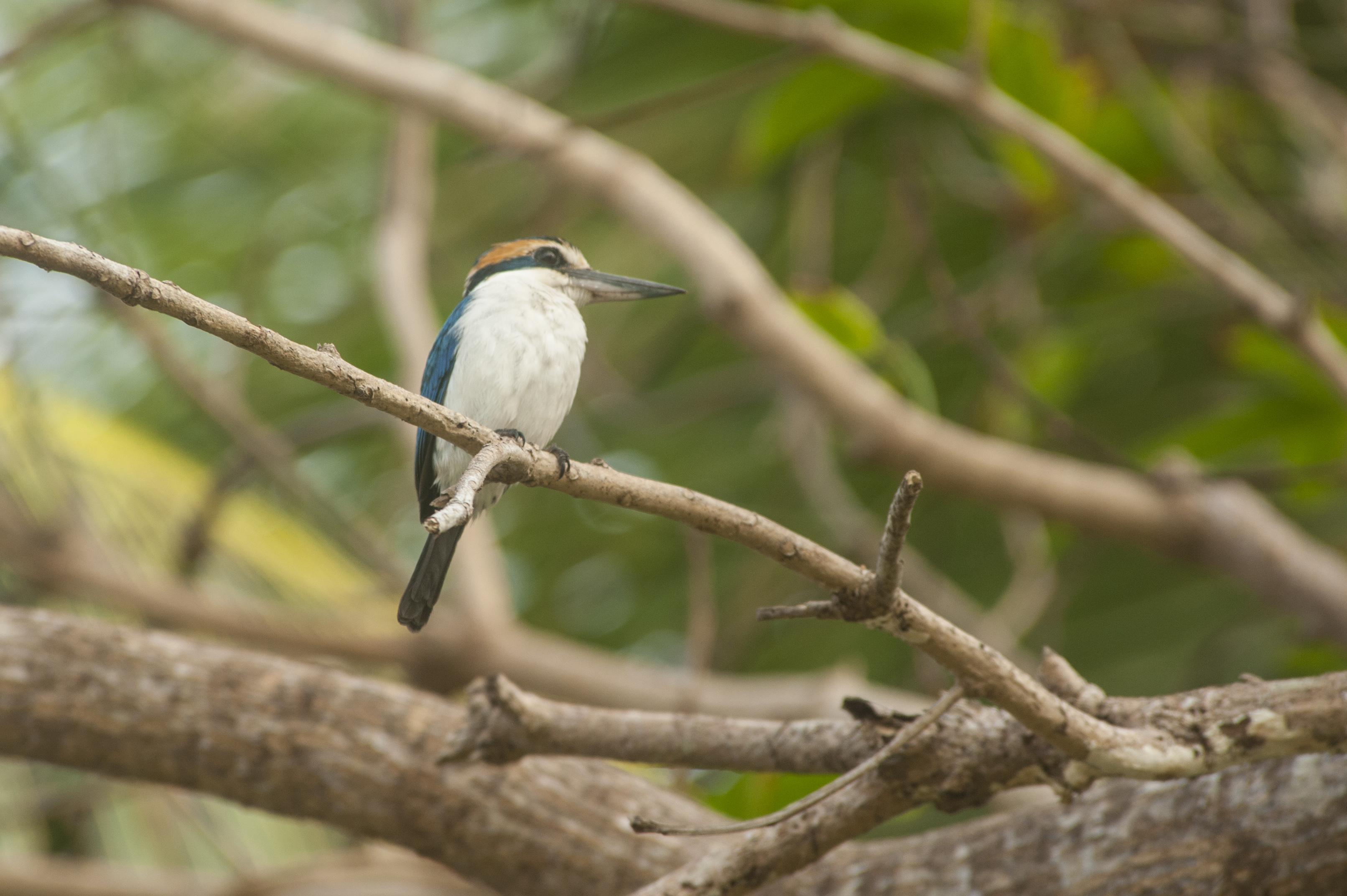
A good day here looks nothing like a mainland park visit. You might start with a front-country hike through tropical rainforest canopy, watching for flying foxes and tropical seabirds overhead. By midday, you could be snorkeling or diving over coral reef ecosystems that rival anything in the Caribbean. The park actively incorporates Samoan living history, first-person interpretation, and hands-on cultural programming, so evenings can include traditional arts, music, and genuine community engagement. Backcountry and off-trail hiking options exist for those wanting to push deeper into the islands. The combination of reef, rainforest, and a living indigenous culture that still shapes the landscape is something no other NPS unit offers. The park is free to enter, which is remarkable given what it delivers.
Who it is for
This destination caters to adventure travelers, snorkelers, and divers. Those with a genuine interest in Polynesian culture will find the travel investment worthwhile. Families with curious, active children benefit from hands-on programming. Casual weekend trips are not supported here. Easy car-accessible overlooks are absent. Travelers seeking arid landscapes should adjust expectations. The park rewards deliberate planning.
Best time to visit
American Samoa presents a consistent tropical experience, with warm temperatures and high humidity year-round. The period from May to October offers slightly drier conditions, which benefits hiking and underwater visibility. While rain can occur in any month, typically it clears quickly, though prolonged wet spells are possible. Travelers should consider avoiding the peak cyclone season, which extends from November to April.
Worth seeing
- Snorkeling and SCUBA diving on South Pacific coral reefs inside a national park with no entrance fee
- Off-trail and backcountry hiking through dense tropical rainforest on multiple islands
- Living history and first-person interpretation woven into authentic Samoan fa'a Samoa cultural programming
- Wildlife watching for flying foxes and tropical seabirds rarely seen elsewhere in the NPS system
- Hands-on arts, traditional music, and cultural demonstrations with local community participation
- 24-hour park access across multiple island units with no reservation required
Before you visit
Entry to this park is free, with no reservations required. However, the true cost lies in access. Flights typically route through Honolulu to Pago Pago International Airport on Tutuila. Transportation demands careful planning, as conventional rental car chains are absent. Prospective visitors should account for potential temporary trail closures due to maintenance, and the park's multi-island geography necessitates a flexible itinerary.
Our tipThe homestay program, coordinated via the visitor center, places guests directly with Samoan host families. This singular offering transforms cultural programming from a day activity into an immersive experience. It is among the only National Park Service units nationwide integrating visitors so deeply into the surrounding community. This level of access merits consideration when planning a trip.