Is National Marine Sanctuary of American Samoa worth it?
The National Marine Sanctuary of American Samoa presents a singular proposition within the United States protected areas.
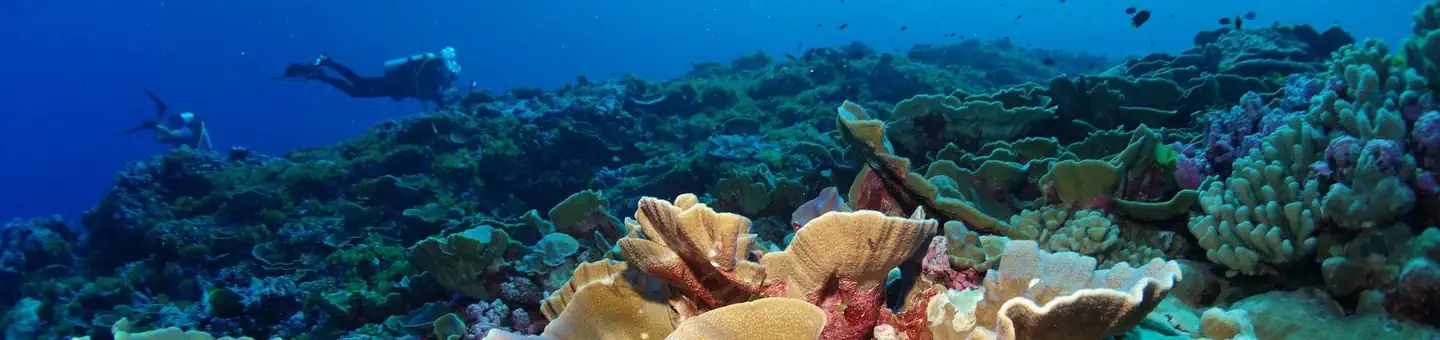
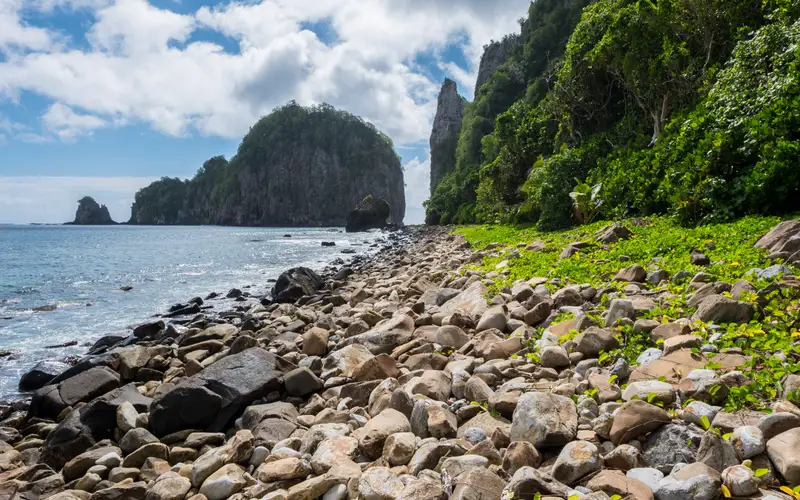
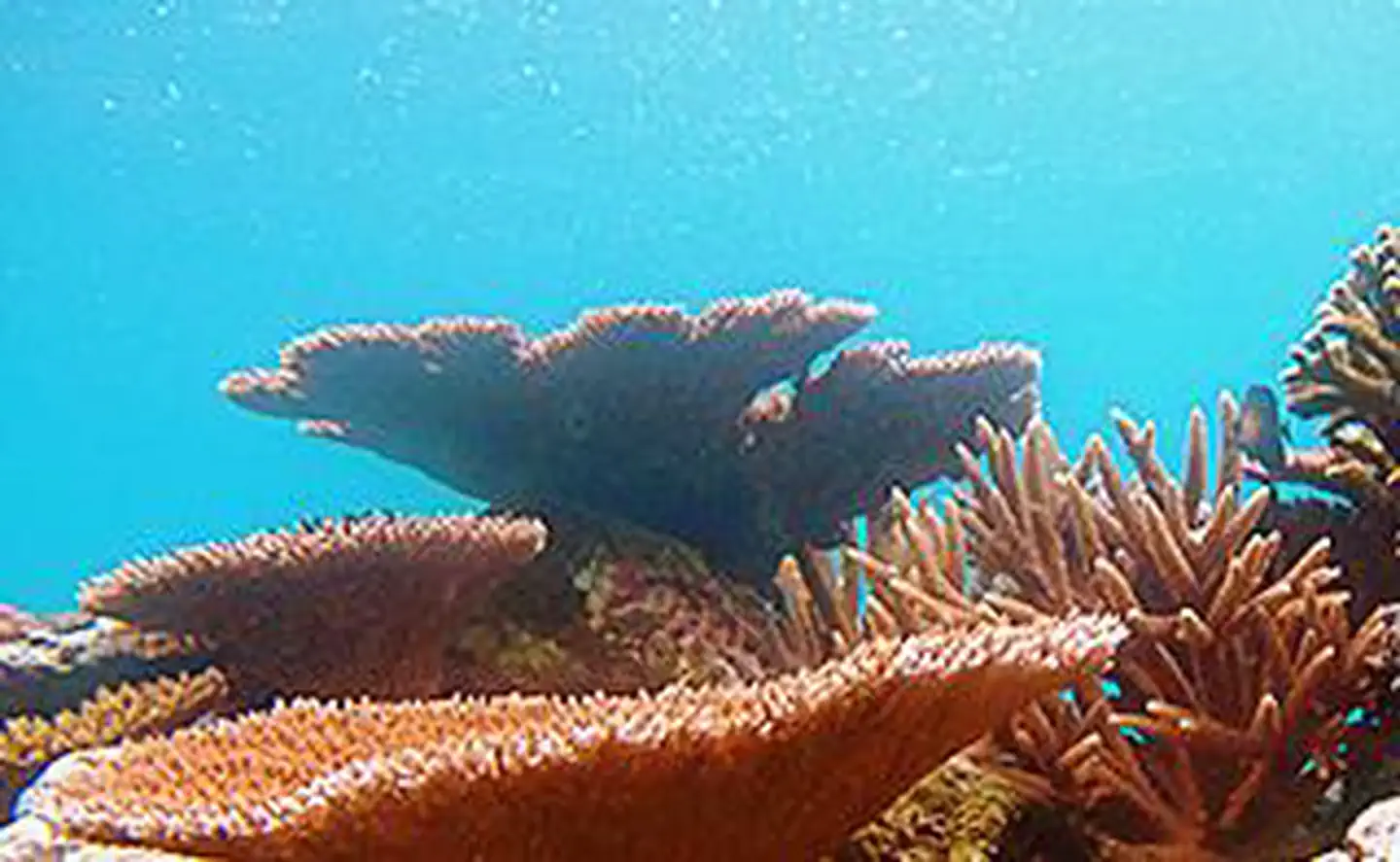
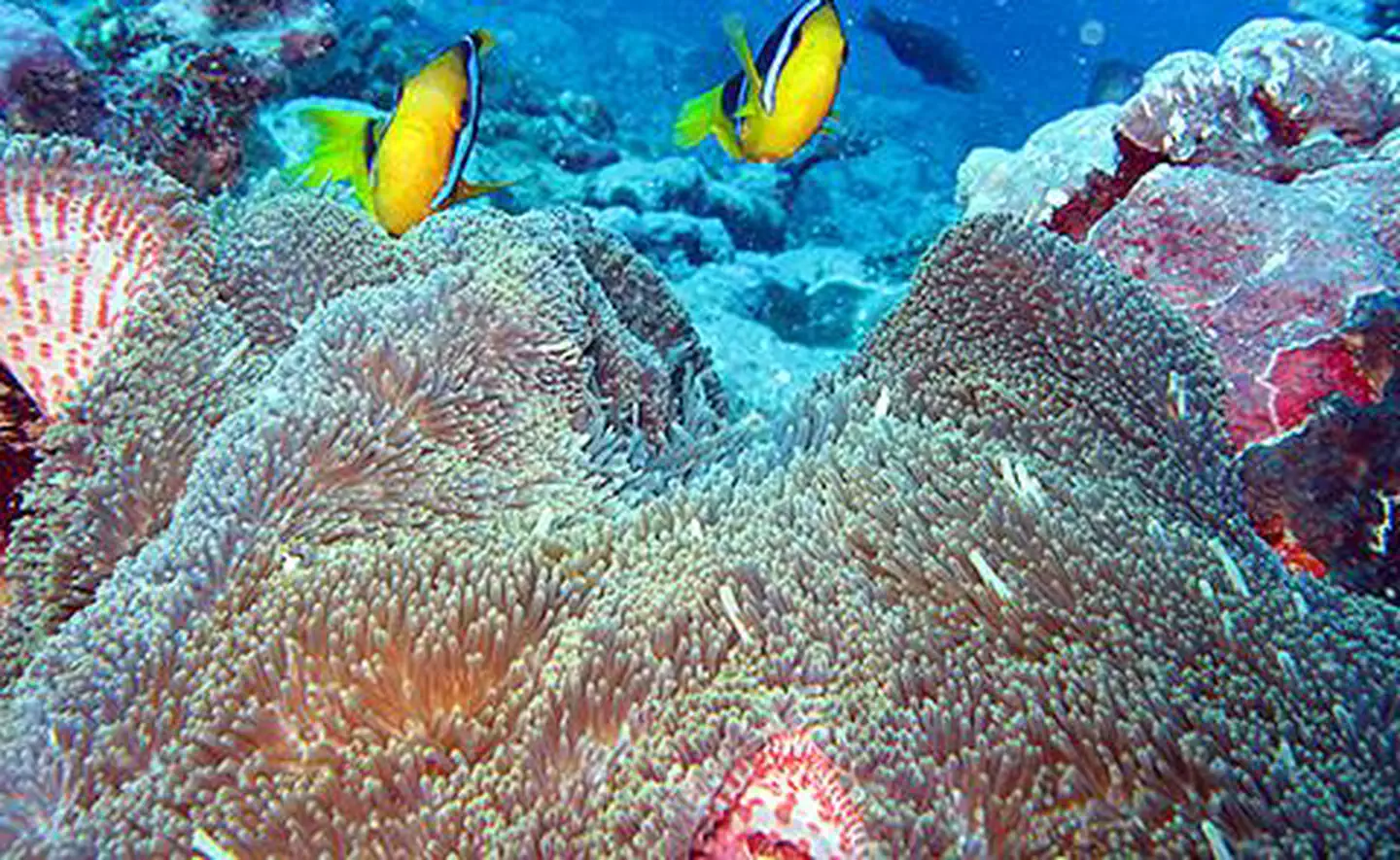
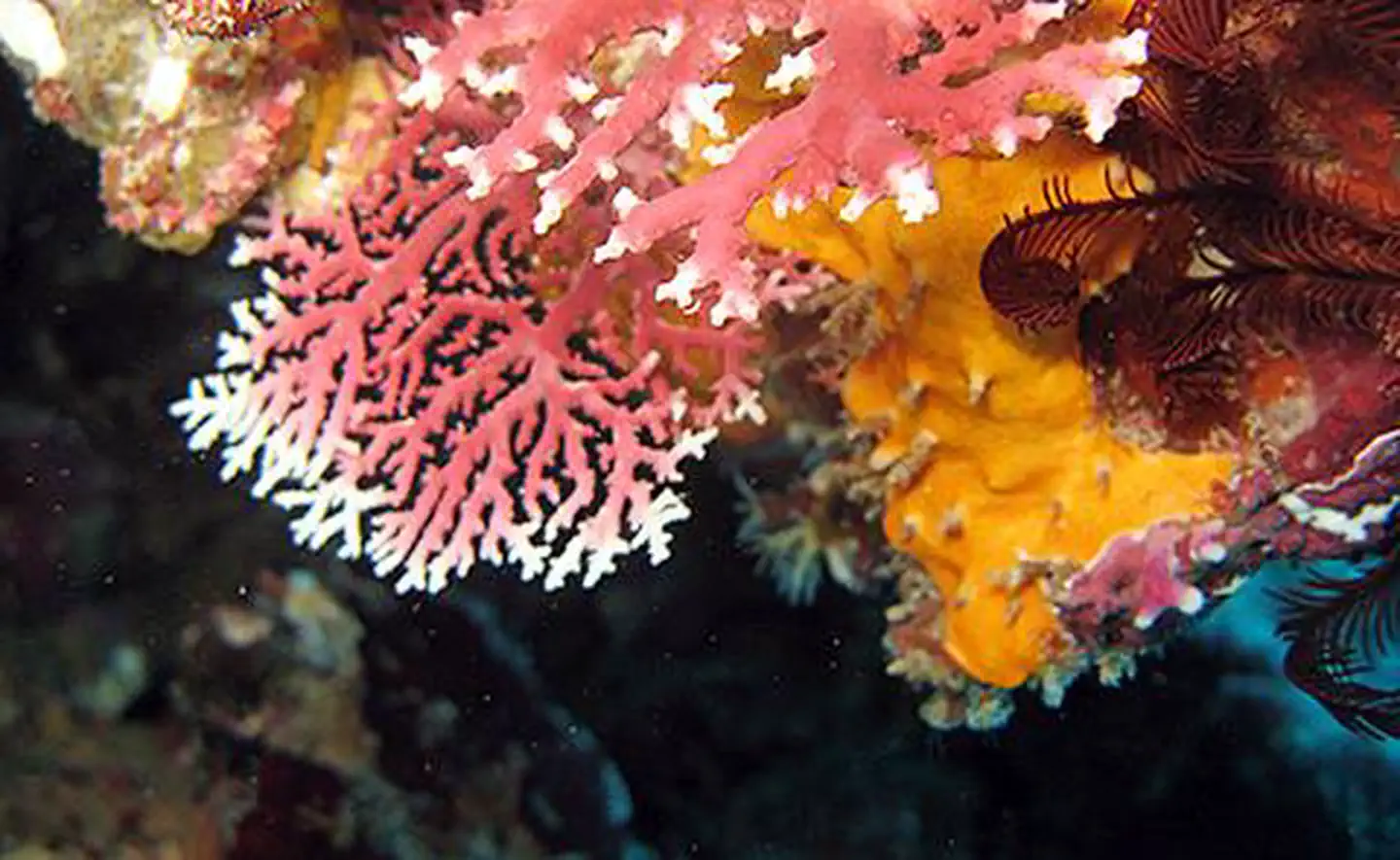
Located approximately 2,600 miles southwest of Hawaii, its extreme remoteness is a defining characteristic. This is a destination for underwater enthusiasts. Its coral reef ecosystems are among the most biodiverse in the National Marine Sanctuary System, offering exceptional diving and snorkeling. On land, the Tauese P.F. Sunia Ocean Center provides interpretive programming. While hiking and wildlife viewing are available, they are clearly secondary pursuits. The substantial travel required to reach American Samoa means this sanctuary caters to a specific, dedicated visitor. Those seeking accessible road networks or extensive developed trails should temper their expectations. For the committed diver or snorkeler, the isolation itself becomes a significant part of the allure.
The case for it
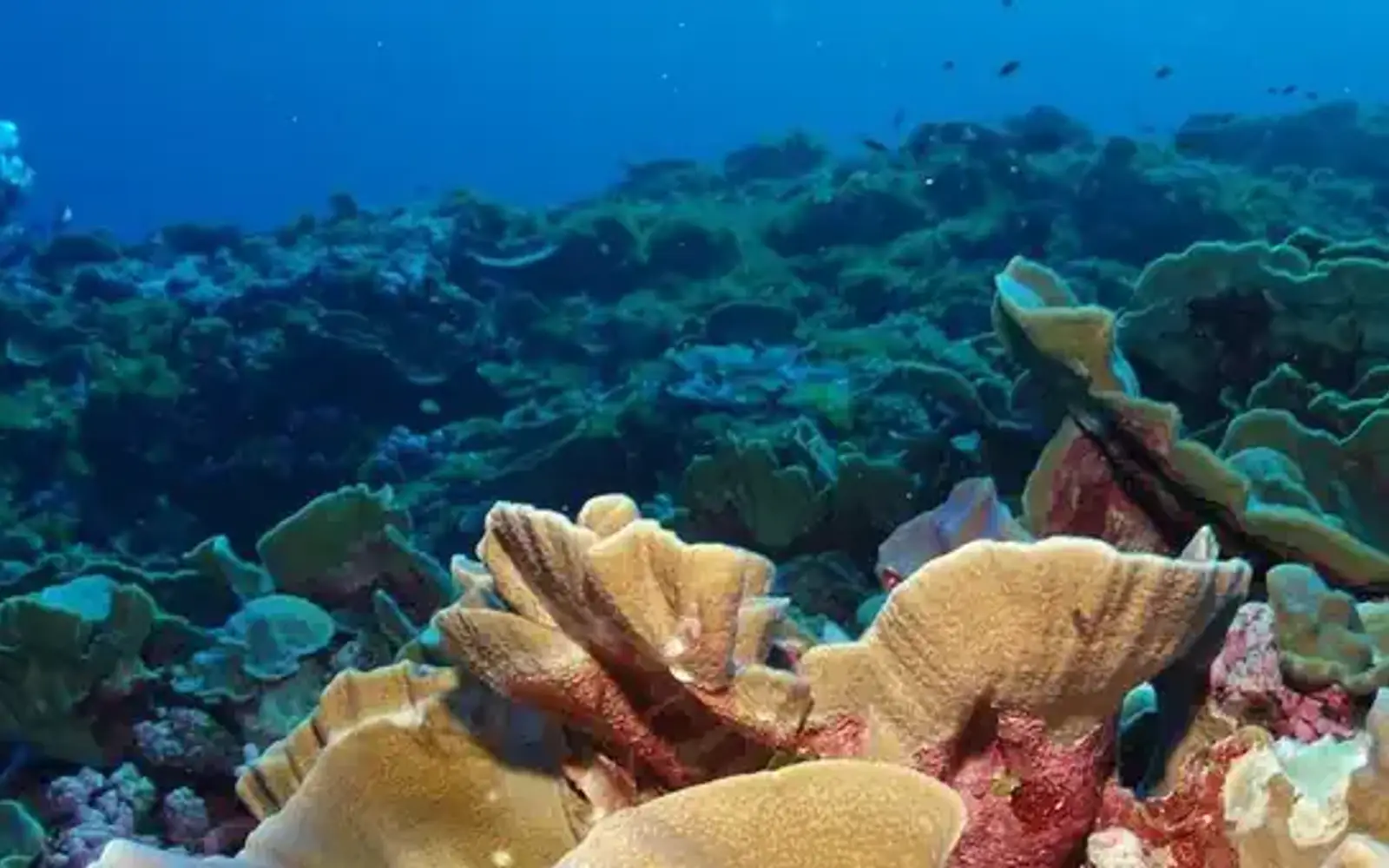
This sanctuary unit prioritizes aquatic immersion. Snorkeling and diving reveal shallow and deep coral reef structures. Its marine mammal and fish diversity is exceptional. Beyond reefs, the sanctuary protects hydrothermal vent communities and marine archaeological sites, offering unique dive opportunities. Fishing is permitted. The Tauese P.F. Sunia Ocean Center offers valuable interpretive context for offshore sights. Given the rare species density, photography here, both above and below the water, is highly rewarding. Boating expands access throughout the sanctuary.
Who it is for
This sanctuary caters to serious divers, snorkelers, and marine wildlife enthusiasts. It demands a significant logistical commitment to reach American Samoa. Underwater photographers pursuing rare reef ecosystems will find their niche here, far from typical tourist routes. Casual visitors or families seeking a broad land-based park experience should look elsewhere. The offering is overwhelmingly water-dependent. The location requires real travel effort.
Best time to visit
American Samoa delivers a premier tropical marine experience. Divers and snorkelers will find warm water year-round. For optimal conditions, the dry season from May to October offers calmer seas and superior underwater visibility. The wet season brings more rain and rougher waters, which may affect boating and diving comfort. Always verify current sea conditions before planning water activities.
Worth seeing
- Snorkeling and diving in coral reef ecosystems among the most biodiverse in the National Marine Sanctuary System
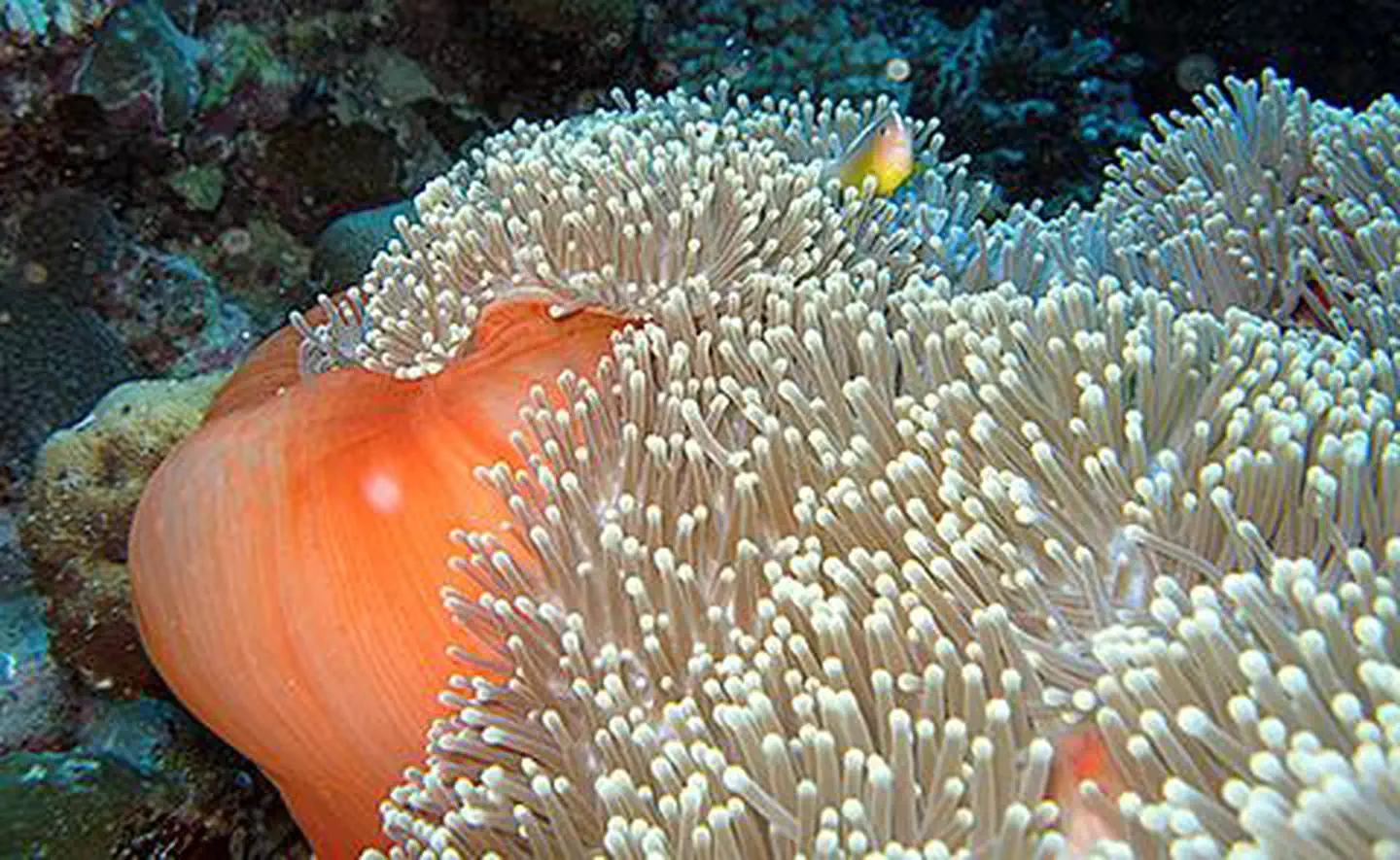
- Marine wildlife viewing including marine mammals alongside diverse reef species
- Interpretive programming at the Tauese P.F. Sunia Ocean Center
- Fishing within designated sanctuary waters
- Access to deep water reef formations and hydrothermal vent communities for experienced divers
- Underwater photography opportunities in a genuinely remote, low-traffic Pacific environment
Before you visit
American Samoa offers free entry, but reaching it requires international air travel, usually via Honolulu. On-island accommodation and dive operators are limited. Booking well in advance is essential. The Ocean Center serves as an important first stop, providing orientation and access to guided programs before visitors venture onto the water.
Our tipConsult the Tauese P.F. Sunia Ocean Center before any dive or snorkel. Staff offer current conditions and identify priority reef areas. This information is seasonal, not found in guidebooks, and essential for planning.