Is War In The Pacific National Historical Park worth your trip?
War in the Pacific National Historical Park sits on Guam, a U.S.
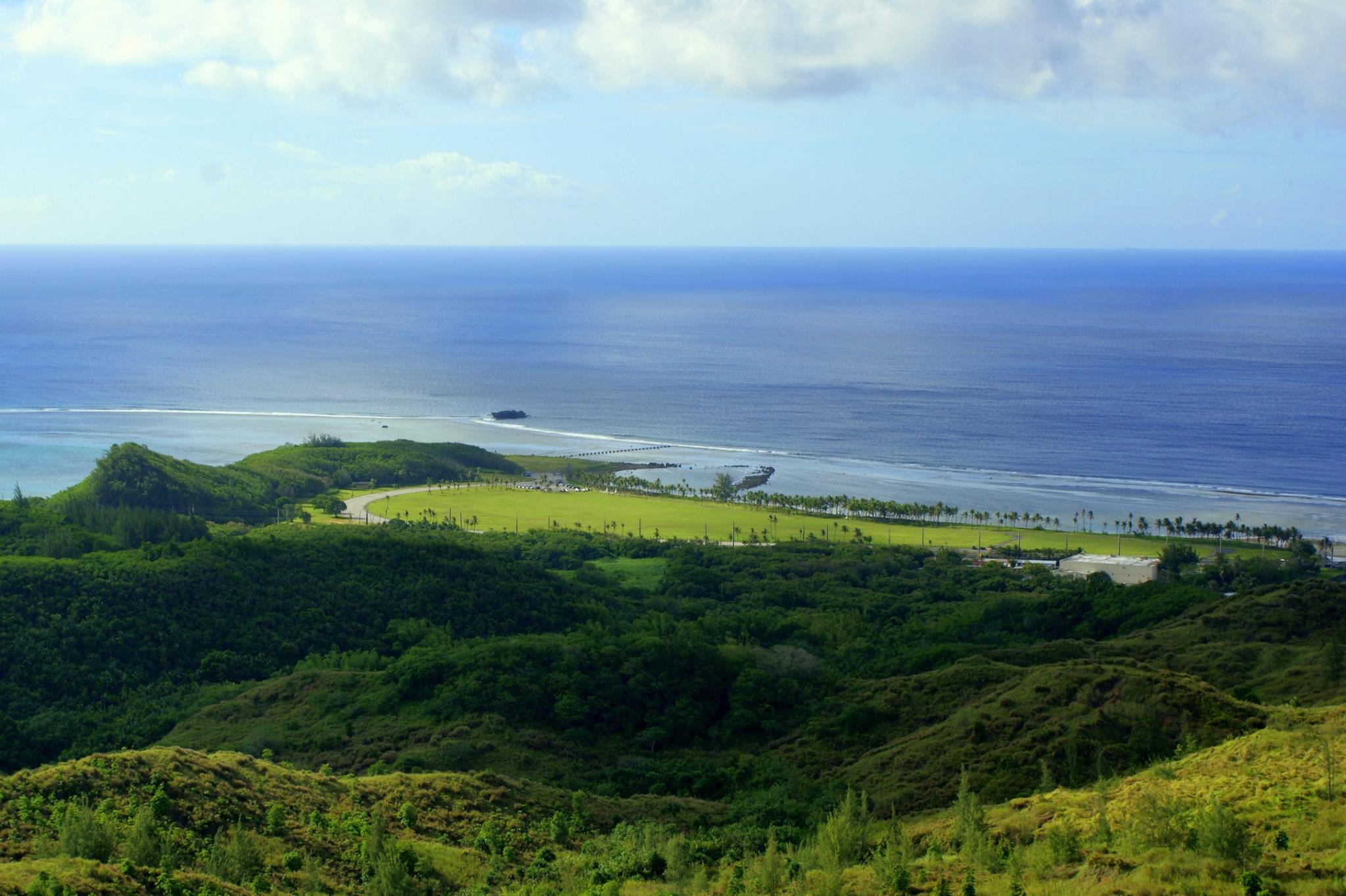
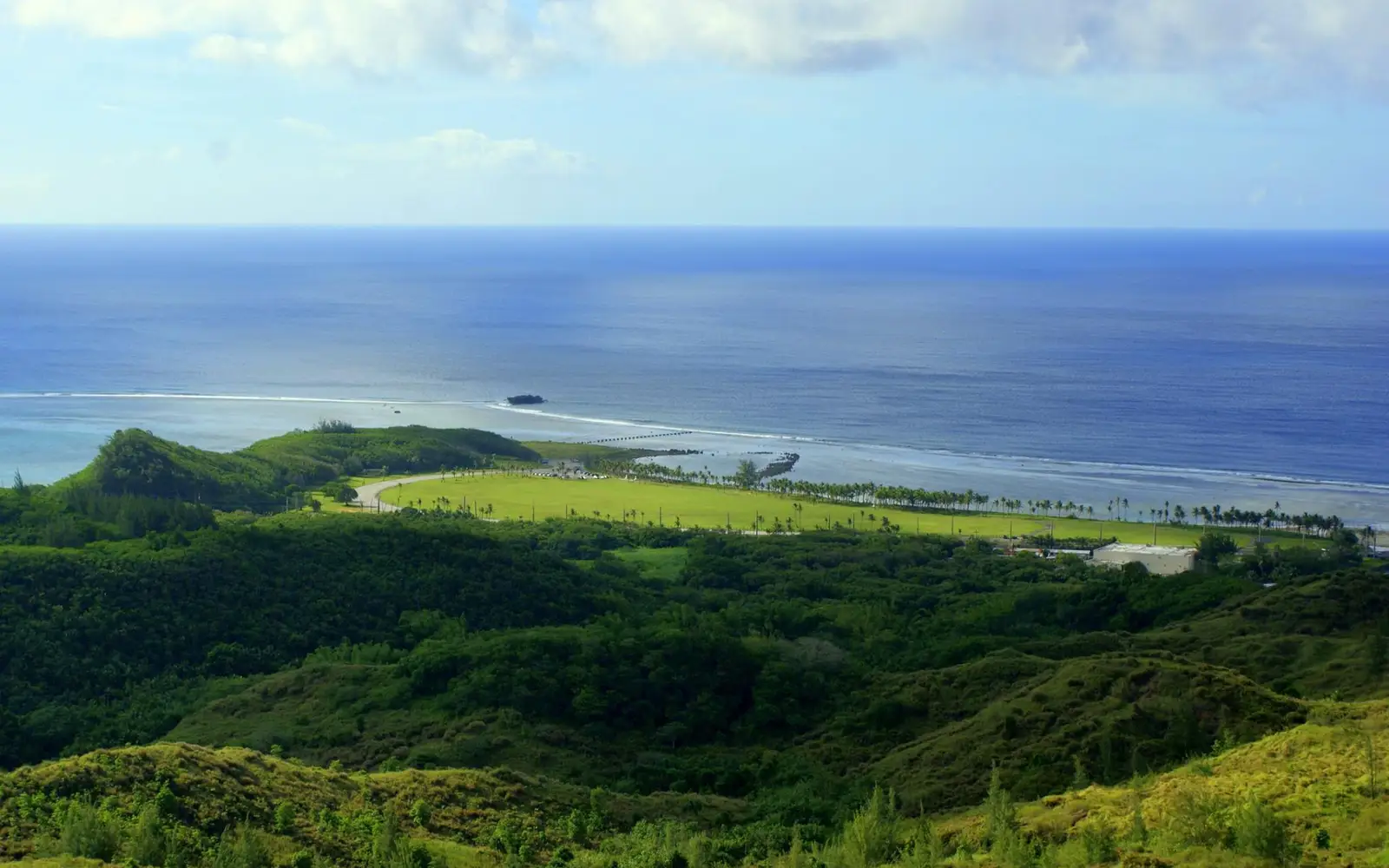
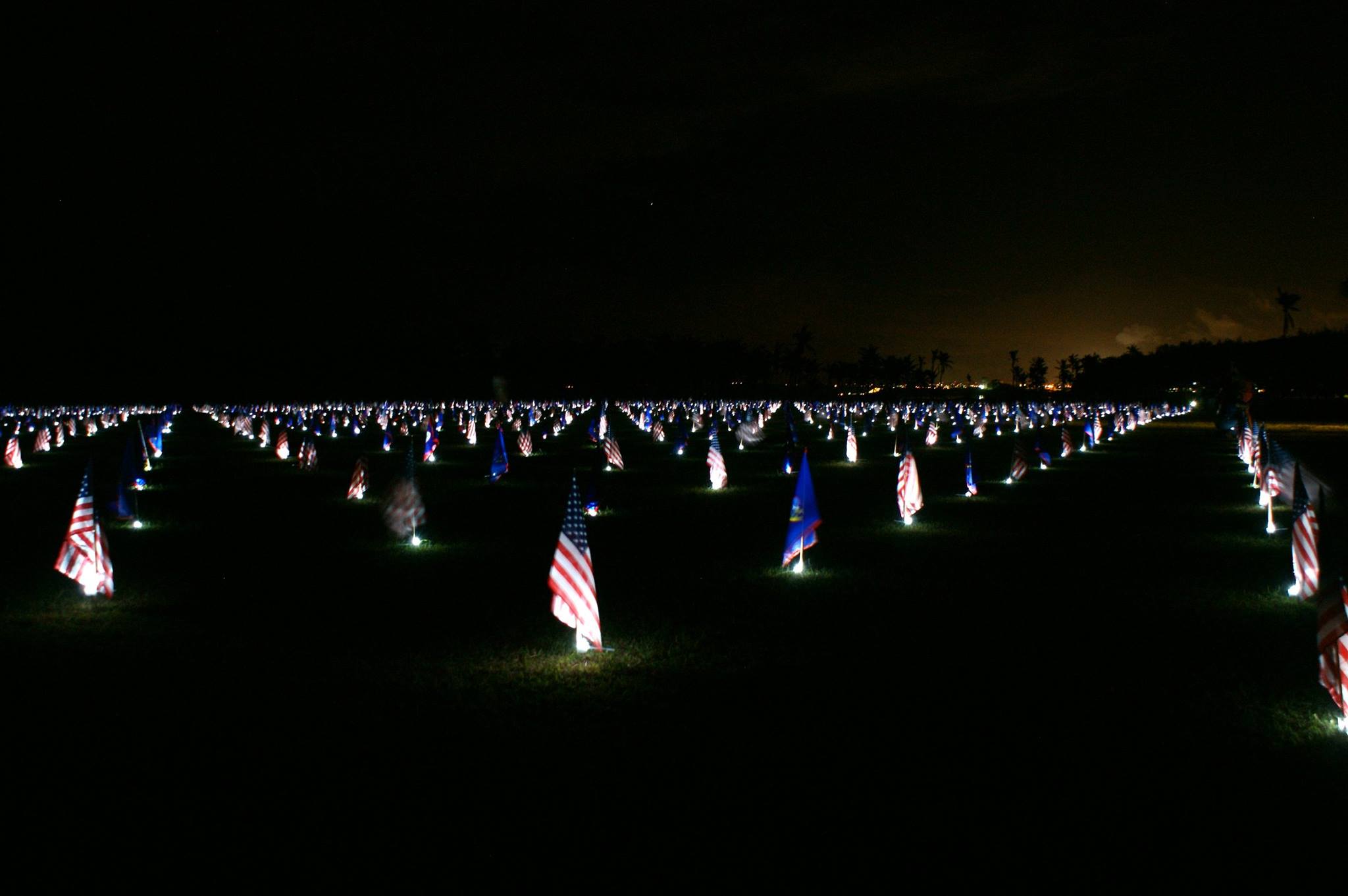
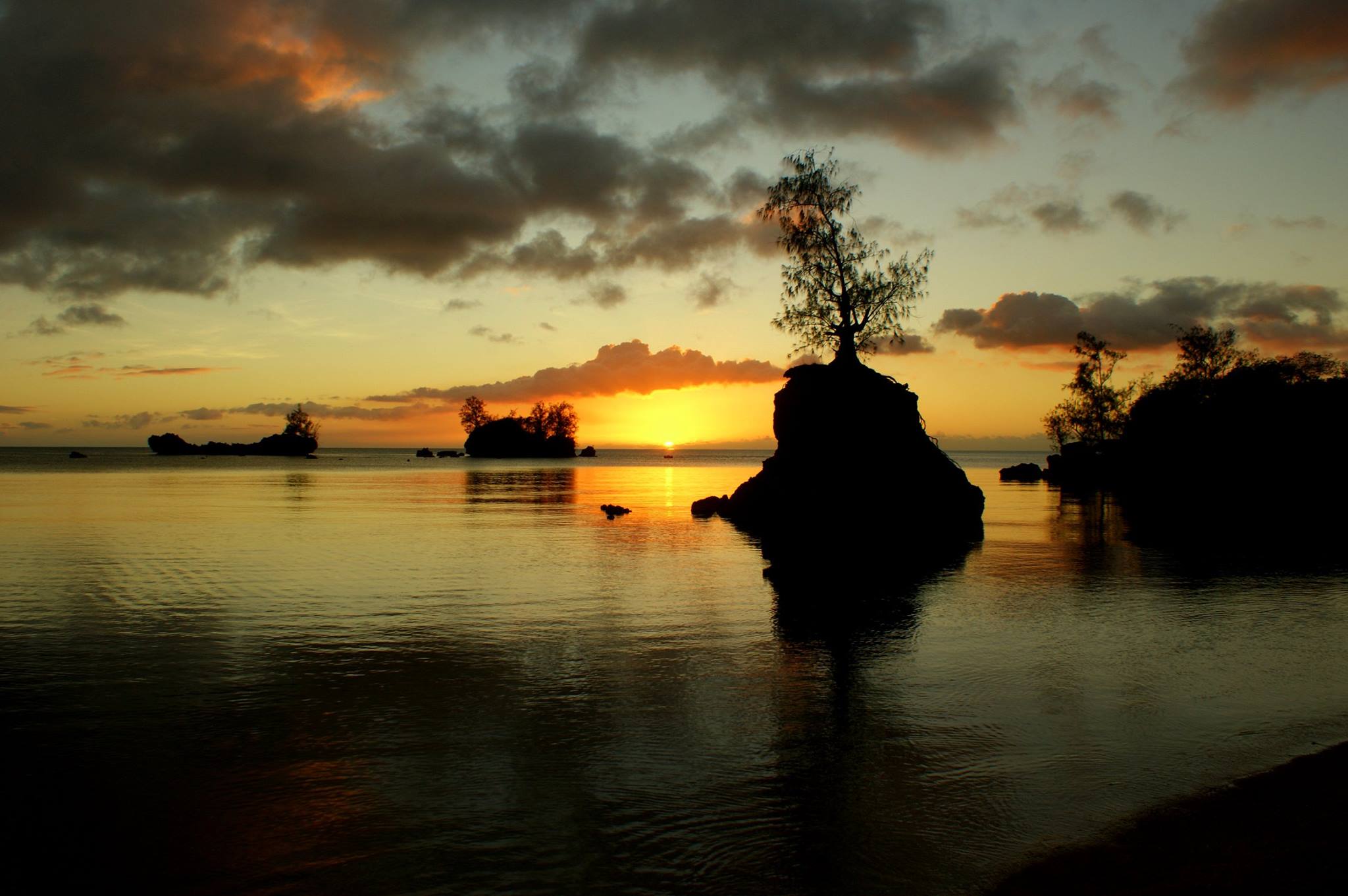
territory in Micronesia, and it asks visitors to hold two very different things at once: the brutal history of World War II Pacific combat and the genuinely stunning tropical environment where that history unfolded. The park spans multiple units across the island, mixing battlefield sites and museum exhibits with coral reefs and jungle trails. It is not a single-destination experience you walk through in an afternoon. The Experience Score of 51 reflects a real limitation: the park's offerings are spread out and some sites have inconsistent access. But for anyone with a serious interest in the Pacific Theater, or for families stationed on or visiting Guam who want depth beyond the beach, this park punches well above its size. It is niche by geography alone, but for those who get there, it is genuinely irreplaceable.
Why go
This unit successfully blends historical interpretation with significant natural appeal. Begin with the museum exhibits and park film for essential historical context, particularly concerning the Mariana Islands campaign. Then, explore hiking trails traversing battle-scarred terrain. A unique aspect is the opportunity for snorkeling among underwater wreckage and thriving coral ecosystems within the coastal units. Guam's remote location also provides excellent dark-sky viewing. The Junior Ranger Program offers structured engagement for families. This destination caters to visitors seeking both profound historical engagement and distinctive natural experiences.
Best for
For travelers with a focused interest in World War II and the Pacific Theater, this park warrants a visit. Snorkelers and divers will find appeal in the combination of reef access and historical context. Families on or visiting Guam can find a meaningful and layered experience here. Casual sightseers expecting a traditional continental national park with a single dramatic landscape will likely be disappointed.
Best season
Guam's tropical climate shapes the visitor experience decisively. The dry season, running from January through June, provides the most favorable conditions for outdoor pursuits like hiking and snorkeling, with clearer visibility underwater. From July through December, the wetter, more humid season brings the possibility of typhoons. Despite seasonal variations, the park remains accessible year-round due to consistent warmth. Those seeking a balance of good weather and fewer crowds might consider the shoulder months of November and December.
The high points
- Museum exhibits documenting the Mariana Islands campaign and the liberation of Guam
- Snorkeling at coastal park units where history and reef ecology overlap
- Hiking through terrain with direct ties to the 1944 Pacific Theater fighting
- Evening stargazing from a genuinely dark-sky location in the western Pacific
- Park film providing essential historical context before exploring the sites
- Junior Ranger Program connecting kids to both the wartime history and Guam's natural environment
Know before you go
Entrance is free, which is a real advantage. The park is spread across multiple sites on Guam rather than a single contiguous area, so a car is essentially required to see more than one unit in a day. Check current NPS guidance on which visitor facilities are open before you go, as hours and access at individual sites can vary.
One more thingThe museum visit should precede any snorkeling excursions. Exhibits provide essential context for the underwater and terrestrial environments. This background enriches the perception of the reef and its surrounding landscape, offering a depth of understanding otherwise unattainable.